

Next-Gen App & Browser Testing Cloud
Trusted by 2 Mn+ QAs & Devs to accelerate their release cycles


Free Glassmorphism Generator Online
Build frosted glass effects with live preview controls for blur, transparency, saturation, brightness, contrast, border, and shadow. Copy ready-to-use CSS or Tailwind, no libraries required.
Categories
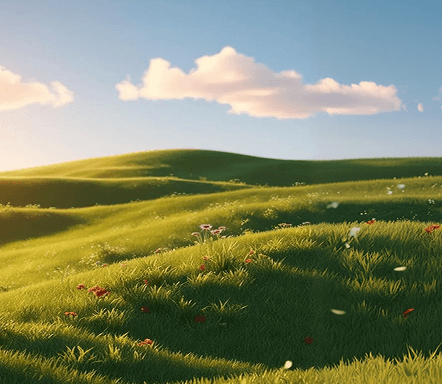


Live Preview
Glass Controls
Generated Code
What is a Glassmorphism Generator?
A glassmorphism generator is a free online tool that builds the frosted glass effect, a semi-transparent panel that blurs whatever sits behind it. You adjust transparency, backdrop-filter blur, tint, border, and shadow with live preview controls, then copy ready-to-use CSS or Tailwind. It removes the guesswork of hand-writing the rule.
The look depends on the CSS backdrop-filter property, which applies a blur to the area behind an element instead of the element itself. Combined with a semi-transparent background, a thin border, and a soft box-shadow, those layers produce the modern frosted glass UI popularized by macOS and Windows. This tool generates each layer for you so the values stay precise.
Why Glassmorphism Matters in Modern UI
Glassmorphism adds depth and hierarchy without heavy imagery, which is why it is common on cards, modals, navbars, and login panels. Getting it right by hand is fiddly, so a generator helps for these reasons:
- Depth and focus: A blurred translucent layer separates foreground content from the background, drawing the eye to the active panel.
- Lightweight visuals: The effect is pure CSS, so it needs no images or libraries and keeps page weight low.
- Brand-modern feel: Frosted glass matches the design language of macOS, iOS, and Windows, giving interfaces a current, polished look.
- Precise, repeatable values: A generator locks down exact blur and opacity numbers so the same glass style reproduces across every screen.
How to Use the Glassmorphism Generator
Building a frosted glass card takes only a few seconds, and nothing is installed because the tool runs entirely in your browser. Follow these steps:
- Set a preview background: Pick a gradient swatch or paste an image URL so the frosted glass effect is visible against a busy backdrop and easy to judge.
- Tune the glass effect: Adjust transparency, backdrop-filter blur, saturation, brightness, contrast, glass tint, border, and shadow until the live preview matches your design.
- Choose CSS or Tailwind output: Toggle the output between a standard CSS rule and arbitrary-value Tailwind utility classes that you can paste straight into a className.
- Copy or download the code: Copy the generated code to your clipboard or download a glassmorphism.css file, then drop it into your project. The output includes the -webkit- prefix.
Features of the Glassmorphism Generator
As a tool, the glassmorphism generator bundles every property the frosted glass effect needs into one panel. Here are the features of our generator:
- Full Control Set: Glass tint, transparency, blur, saturation, brightness, contrast, border radius, width, color, opacity, and shadow are all tunable.
- Live Frosted Glass Preview: A large preview card updates as you drag, so you judge the real effect against your chosen background instantly.
- Background Switcher: Six gradient backdrops plus a custom image URL let you test the glass over the kind of scene you will ship.
- CSS and Tailwind Output: Export a standard CSS rule or arbitrary-value Tailwind classes such as backdrop-blur-[16px] without rewriting anything.
- Cross-Browser Prefix: Output includes the -webkit-backdrop-filter prefix automatically so the blur works in older Safari versions.
- Private and Free: All processing happens in your browser. No data is uploaded, and there is no signup, login, or usage limit.
Use Cases of the Glassmorphism Generator
The frosted glass effect fits anywhere you want a translucent layer that still reads clearly. The generator speeds up each of these workflows:
- UI Components: Style cards, modals, navbars, sidebars, and login panels with a modern frosted look that layers over hero imagery.
- Design Handoff: Lock exact blur and opacity values before passing CSS to engineering, alongside the Gradient Generator for the backdrop behind the glass.
- Depth and Elevation: Pair glass panels with the Box Shadow Generator and Drop Shadow Generator to control elevation.
- Component Shaping: Round the glass card with the Border Radius Generator, and contrast it with soft Neumorphism surfaces where flatter depth suits the design.
Because backdrop-filter renders differently across engines, this generator is maintained by TestMu AI (formerly LambdaTest), the team behind a unified testing platform, so you can verify the frosted glass effect across 10,000+ real devices and 3000+ browsers before shipping it.
Glassmorphism vs Neumorphism
Glassmorphism and neumorphism are both soft-UI trends, but they create depth in opposite ways. The table below sums up how the two differ:
| Aspect | Glassmorphism | Neumorphism |
|---|---|---|
| Core look | Translucent frosted glass that blurs the background | Soft extruded surface that matches the background color |
| Key CSS | backdrop-filter, semi-transparent background, border | Dual box-shadow (light and dark) on a solid surface |
| Needs a backdrop | Yes, the effect relies on content behind it | No, it works on a single flat background |
| Browser support | Depends on backdrop-filter, with a -webkit- prefix | Widely supported, only box-shadow is required |
Frequently Asked Questions (FAQs)
What is a glassmorphism CSS generator?
A glassmorphism generator is a visual tool that builds the frosted glass effect by combining a semi-transparent background, the backdrop-filter blur, a thin border, and a soft shadow, then hands you ready-to-use CSS or Tailwind code instead of writing the rule by hand.
Which CSS property creates the frosted glass blur?
The blur comes from the backdrop-filter property, defined in the W3C Filter Effects Module Level 2. It blurs whatever sits behind the element rather than the element itself. This tool also outputs the -webkit-backdrop-filter prefix for older Safari versions.
Why does my glassmorphism effect look like a flat box?
The frosted glass look only appears when something sits behind the element to blur. Place the glass card over a gradient, photo, or busy section. With a solid background behind it, backdrop-filter has nothing to blur, so it reads as a flat panel.
What controls does this glassmorphism generator include?
It combines blur, transparency, saturation, brightness, contrast, glass tint color, border radius, border width, border color, border opacity, and shadow offset, blur, and opacity. You can also switch the preview background to make the frosted glass effect visible.
Can I export the glass effect as Tailwind classes?
Yes. Switch the output toggle from CSS to Tailwind to get arbitrary-value utility classes such as backdrop-blur-[16px] and bg-[rgba(255,255,255,0.20)] that you can paste directly into a className without leaving your component markup.
What happens in browsers that do not support backdrop-filter?
The semi-transparent background and box-shadow still render, so the element stays visible and readable. The blur is a progressive enhancement that is simply skipped where backdrop-filter is unavailable, such as older Firefox builds without the feature enabled.
Is glassmorphism accessible for text and contrast?
It can be, with care. Keep enough opacity and contrast between the text and the blurred background so content stays legible. Lower the transparency or add a subtle solid layer behind text when the backdrop is bright, and test against real content.
Does this tool send my data to a server?
No. All processing happens in your browser and no data is uploaded. The glassmorphism generator needs no account, API key, or backend, so you can build, copy, and download CSS as many times as you want, completely free.
Did you find this page helpful?
More Tools
TestMu AI forEnterprise
Get access to solutions built on Enterprise
grade security, privacy, & compliance
- Advanced access controls
- Advanced data retention rules
- Advanced Local Testing
- Premium Support options
- Early access to beta features
- Private Slack Channel
- Unlimited Manual Accessibility DevTools Tests