How to Run Live Browser Tests on iOS and Android Phones (Video)
 Playlist

- How to Schedule and Automate Accessibility Scans With TestMu AI
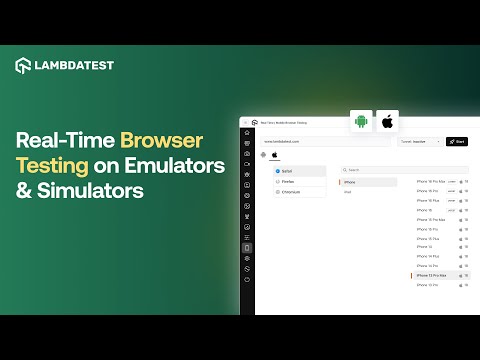
- How to Perform Real-Time App Testing on Emulators & Simulators (Updated)
- How to Perform Real-Time Testing on Desktop Browsers (Updated)
- How To Perform Real Time Browser Testing On Emulators And Simulators (Updated)
- How to Perform Real-Time App Testing On Real Devices (Updated)
- How to Perform Real-Time Browser Testing on Real Device Cloud (Updated)
- TestMu AI Test Manager Walkthrough: AI Test Cases to Results
- Meet KaneAI: The Smartest GenAI-Native Test Agent for QA Teams
- How to Perform Visual Regression Testing with SmartUI (Updated)
- How to Perform Fast & Reliable End-to-End Testing with HyperExecute (Updated)
- How to Perform Automation Testing of Websites & Mobile Apps (Updated)
- Complete TestMu AI Tutorial | All-In-One Demo For TestMu AI Products And Features
- Introducing The All New LT Browser 2.0!🖥️ | TestMu AI
- How To Perform Real Time Testing On Desktop Browsers | Manual Testing
- How To Perform Real Time Testing On Mobile Browsers | Manual Testing
- How To Perform Real Time Browser Testing On Real Devices | Manual Testing
- How To Perform Real Time App Testing On Emulators & Simulators | Manual Testing
- How To Perform Real Time App Testing On Real Devices | Manual Testing
- How To Perform Automation Testing On Desktop Browsers | TestMu AI
- How To Perform Automation Testing On Mobile Browsers | Automation Testing
- How To Perform App Automation On Real Devices | Automation Testing
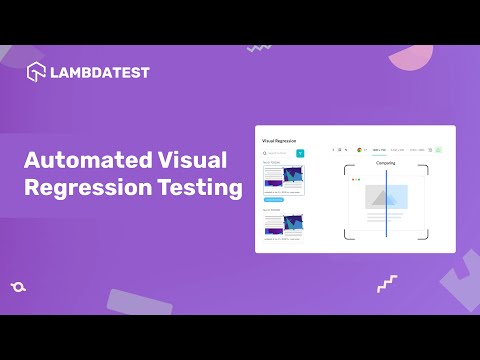
- How To Perform Automated Visual Regression Testing | TestMu AI
- How To Integrate TestMu AI With Third-Party Tools | TestMu AI
- How To Perform Local Testing Using UnderPass | TestMu AI
- How To Perform Automated Screenshot Testing📱| TestMu AI
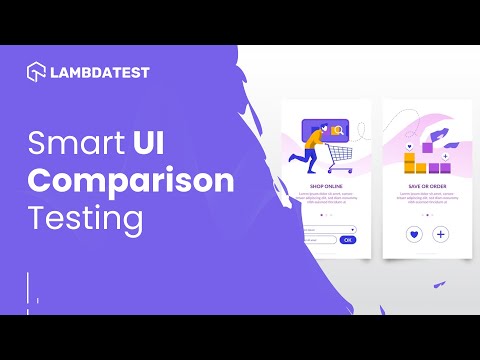
- How To Perform Smart UI Comparison Testing | TestMu AI
- How To Perform End-To-End Testing Using HyperExecute | TestMu AI
- How To Integrate Katalon Studio And TestMu AI For Codeless Automation Testing
- Introducing TestMu AI Analytics 2.0 | AI-Native Test Analytics And Observability Suite
- How To Integrate Katalon Studio And HyperExecute | TestMu AI
- How To Integrate Azure Pipelines And HyperExecute | TestMu AI
About the Video
Get a step-by-step guide to real-time browser testing on real devices using TestMu AI in this video.
📢Real device browser testing on TestMu AI allows you to test your web apps on over 5000 real devices, ensuring optimal user experience across various devices, browsers, and operating systems—all from a secure and scalable cloud infrastructure.
Video Chapters
0:00 Introduction to Real-Time Browser Testing
0:27 Setting Up & Running Tests on TestMu AI
1:09 Performing Live Testing on Real Devices
1:41 Key Features: Screenshots, Bug Logging & Session Recording
2:51 Testing Global Experience with IP & GPS Geolocation
3:19 Simulating Network Conditions & Accessibility Testing
4:27 Debugging with Chrome DevTools & Safari Web Inspector
4:52 Conclusion
Video Transcript
This video was recorded before LambdaTest became TestMu AI, so the speaker uses the LambdaTest name.
Welcome to this session on how to perform real-time browser testing on real devices using LambdaTest. LambdaTest provides seamless testing on all the latest iOS and Android real devices, ensuring that your website or web app performs seamlessly across various devices, operating systems and browsers. Let's dive in and see how it works.
First, log in to your LambdaTest dashboard. On the left sidebar, select the Real Device option and then click on Browser Testing. Here you'll see options to configure the device you want to test on. You can choose the operating system of the device, either iOS or Android, and then select the browser and device you'd like to test. LambdaTest supports a wide range of the latest devices to match your testing needs.
At the top, you can enter the URL of the website you want to test. Tip: if you need to test a locally hosted website, you can configure the connection between your local system and the LambdaTest platform via LambdaTest Tunnel, called Underpass. Once you've selected the operating system, device, browser, and entered the URL, click Start. Your selected device will be initialized and the browser will be launched, and voila, you can begin your real-time browser testing on your preferred real device.
All right, on your screen you'll see the selected device and browser launched and ready to go. From here, you can navigate to any URL you'd like to test. For this demo, let's head over to lambdatest.com. Now take a look at the left sidebar. This is where the magic happens. Let's walk through each feature together, one by one.
With the Home feature, you can instantly return to the home screen of your selected real device. Need to capture something quickly? The Screenshot feature lets you take an instant snapshot of your current screen. You can find all your screenshots in the Gallery, where they're ready to download whenever you need them.
In case you find a bug and want to report it, click Mark as Bug in the top right corner. This one-click feature captures a screenshot, and you can annotate it with tools to highlight specific issues, save your edits and log the bug directly using integrations like Jira, Slack or Microsoft Teams.
Document your entire testing session with the Record Session feature. Start recording with one click, and you'll see a timer tracking the session duration. When you're done, hit Stop. Your recording will be saved right in the Gallery, alongside your screenshots. The Gallery is your go-to spot for all saved screenshots and videos. Click the download icon to save any file directly to your local machine.
Testing for global users? With IP geolocation, you can simulate website and mobile experiences from over 45 countries. This is perfect for verifying localized elements like pricing, languages and region-specific content. The GPS geolocation testing feature lets you enter exact coordinates or simply type the location name. If the exact spot isn't showing up, you can manually enter latitude and longitude.
Want to test under different network conditions? Network Throttling lets you simulate environments like 3G, 4G, LTE or even custom profiles. You can also test offline scenarios seamlessly. Accessibility matters. Enable accessibility testing under iOS settings to ensure your app is usable for everyone, regardless of ability. Managing device settings is easy with Device Controls. You can adjust the volume, rotate the screen orientation or access recent apps on iOS 15 and above.
In the Settings section, you'll find Idle Timeout to extend the session up to 45 minutes, Time Zones to change the default GMT setting to your preference, Language to switch the session language for localized testing, and Projects to manage and track sessions under organized project folders. You can switch between devices, browsers and their OS versions without ending your current session. When you're done, just hit the End Session button to end your ongoing test session.
LambdaTest's real device browser testing offers inbuilt Chrome developer tools to help users debug their websites and web applications. Developers and testers can also access the inbuilt Safari Web Inspector, an open-source web development tool to simplify optimizing, prototyping and debugging web applications for iOS and OS X. That's it. With LambdaTest, real-time browser testing on real devices has never been easier. Explore all these features to take your testing to the next level. See you in the cloud.

TestMu AI
TestMu AI (Formerly LambdaTest) is an AI-Native test orchestration and execution platform that allows you to perform both manual and automated testing across 3000+ environments, making it a top choice among other cloud testing platforms.