

Next-Gen App & Browser Testing Cloud
Trusted by 2 Mn+ QAs & Devs to accelerate their release cycles


On This Page

How To Incorporate Risk Management Strategy in Testing?
Develop a risk management strategy to shield your testing process from uncertainty and turn risks into opportunities.

Sonu Kumar Deo
December 28, 2025
Every job has risks; no matter how careful we are, stuff can still go sideways unexpectedly. Imagine a user finding a bug in the software that automation testing missed. This could be a big deal, especially if it’s a bug that could lead to unauthorized access, financial fraud, data leaks, or corruption. According to Statista, In 2022 alone, over 422 million people in the US were affected by data compromises, including data breaches, leakage, and exposure. This shows how common these issues are.
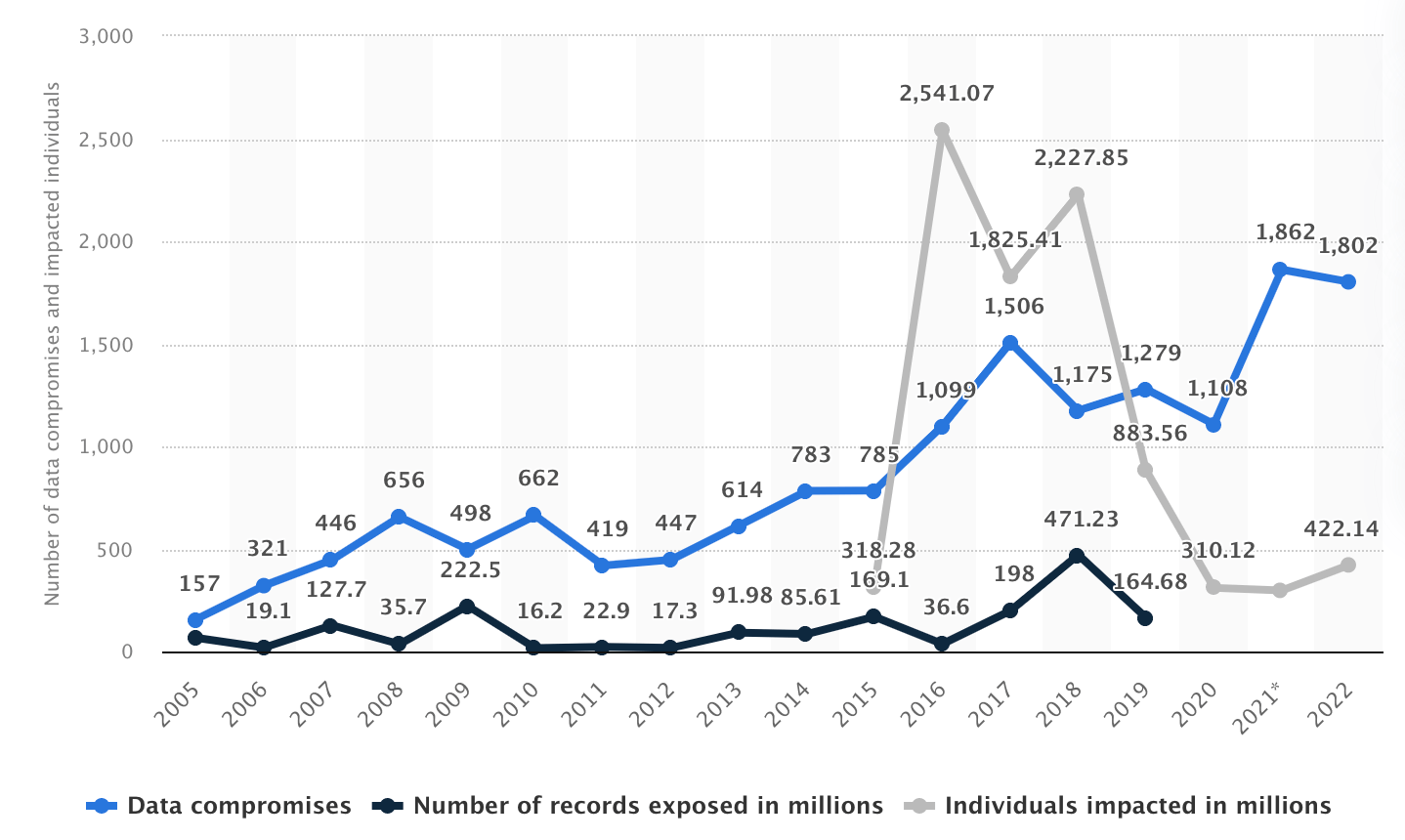
That’s where having a solid risk management strategy comes in handy. We need a strategy to identify and manage potential problems in software testing. A smart risk management strategy helps teams avoid problems and benefits software development. It’s like a game plan to spot, understand, and deal with potential issues before they become major headaches. In this blog, we’ll talk about why having a solid plan for dealing with risks is so important in testing. We’ll also look at how to fit these strategies into the overall testing process and explore some common strategies used in software testing.
What is Risk in Software?
Risk in software refers to the potential occurrence of events or conditions that could negatively impact the successful development or performance of the software. It includes various factors, such as functional defects, performance issues, compatibility challenges, security vulnerabilities, and other potential setbacks that might negatively impact the development process’s quality, schedule, or resources. These risks are identified, evaluated, and mitigated as part of a risk management strategy to ensure a smooth and successful software testing and software development life cycle.
What is Risk Management in Software Testing?
Risk Management in software testing identifies, evaluates, and prioritizes risks to minimize, regulate, and control the probability of undesirable bugs or outcomes. It is performed in both the testing and deployment phases. Below are the steps that risk management in software testing involves:
- Identify the problems that may occur.
- Arrange the severity of issues in descending order.
- Create measures to prevent high-risk potential issues.
- Analyze the factors that can reduce the risk probability.
- Evaluate the effectiveness of actions or measures taken to reduce risk.
Risk-based testing helps troubleshoot software testing issues. Learn more about risk-based testing in our learning hub for a more streamlined process.
What is a Risk Management Strategy in Software Testing?
A risk management strategy is a comprehensive plan outlining how organizations will proactively address and respond to risks. It includes identifying possible problems ahead of time, figuring out how bad they could be, and deciding what steps you can take to avoid or lessen the impact of those problems. Organizations often establish risk management frameworks, policies, and procedures to ensure consistency and effectiveness in dealing with various types of risks, such as financial, operational, regulatory, and reputational risks. The goal is to balance embracing opportunities for growth and innovation while minimizing the negative impacts of potential threats. Ultimately, a well-executed risk management strategy enhances an organization’s resilience and ability to navigate uncertainties in a dynamic business environment.
An effective risk management strategy and root cause analysis can be two key processes to ensure a smoother and more reliable user experience.

Steps To Incorporate Risk Management Strategy
Incorporating a risk management strategy in software testing involves defining, identifying, prioritizing, and monitoring the risk possibilities. To effectively manage risks, let’s understand each step in detail.
- Define Risk Criteria
Before figuring out what could go wrong in a software project, testers need to set some standards called “risk criteria.” These criteria help measure how likely and bad each potential problem might be. Ensuring these standards match the project’s goals and quality expectations is important. Testers should also think about practical things like how the project works, technical details, and the surroundings.
- Identify and Analyze the Risks
After defining the risk criteria, testers can start software risk analysis affecting the software testing project. Testers can use various tools and techniques to gather risk information, such as surveys, brainstorming, expert opinions, interviews, checklists, historical data, etc.
- Prioritize and Plan the Risks
After identifying and analyzing the risks, testers need to prioritize and plan the risks. This means determining which risks need more resources and attention and how to deal with them. Testers can use various criteria and methods to prioritize risks, such as the risk exposure index, the risk matrix, the Pareto principle, the risk score, etc.
- Monitor the Risks
The final step to incorporate risk management into a test strategy is to monitor the risks. This includes executing the risk response plan and checking the outcomes and progress of the risk actions. Testers should also review and update the risk information records, such as the risk status, description, category, response, assignee, etc.
For instance, a handy way to do this is using a risk chart that puts risks into four groups: critical, high, medium, and low. This sorting is based on how bad a problem could be and how likely it is to happen. Thus, testers can start by addressing the most critical issues.
Testers should also involve respective stakeholders in risk identification and analysis, as they may provide additional insights and perspectives. One should strive to discover as many risks as feasible before analyzing their sources, consequences, and interconnections.
Testers can also consider cost-effective plans to manage each risk, such as mitigating, avoiding, transferring, or accepting the risk. Testers can then document risk response plans, which include the responsibilities and roles, the tasks and actions, the milestones and timelines, the budget and resources, and the control and monitoring mechanisms for each risk.
Testers should convey the risk status and action results to the stakeholders, team members, and other relevant partakers and get their input and feedback. They can also measure and evaluate the efficiency and effectiveness of your risk management strategy.
Common Risk Management Strategies in Software Testing
Now that we understand risk management and how to incorporate risk management strategies. Let’s see some common risk management strategies used in software testing. The most common risks are security, penetration, estimated delivery time, and plan change or contingency due to technical issues.
Security Risk Management Strategies
A key aspect of software testing is security to protect sensitive data and maintain user confidence. Security risks include vulnerabilities that malicious agents could exploit to compromise confidentiality, integrity, or availability. Strategies involve:
- Encryption Protocols: Integrate advanced encryption algorithms like Transport Layer Security Protocol (TLS) to secure data during transmission and storage.
- Regular Audits: Conduct periodic security audits to identify and rectify vulnerabilities in the system.
- Access Controls: Implement strict access controls and authentication mechanisms to prevent unauthorized access.
- Patch Management: Stay updated with the latest security patches and updates to address potential threats.
Penetration Testing for Risk Mitigation
Penetration testing, known as “pen testing” or “pen attack,” simulates real-world cyberattacks to evaluate your application or network’s security defenses and vulnerabilities. The goal is to identify potential entry points for vectors and gain valuable insights for improving your security measures.
Strategies involve:
- Periodic Testing: Conduct regular penetration tests to uncover vulnerabilities and weaknesses.
- Simulated Attacks: Simulate real-world cyber-attacks to assess the system’s resilience under different threat scenarios.
- Prioritization: Prioritize and address critical vulnerabilities discovered during testing based on potential impact.
- Continuous Improvement: Continuously update and refine penetration testing procedures to align with evolving cybersecurity threats.
Risk Management in Estimated Delivery Time
Ensuring websites work well on all devices and browsers is super important nowadays. With so many different devices and operating systems out there, testing each combination one by one takes a lot of time and can slow down the software release time. To handle this better, we need to add smart strategies to our testing process to ensure users have a smooth experience.
Strategies involve:
- Automated Testing: Implement automated testing tools and frameworks, such as Selenium, Cypress, or TestCafe. These tools allow you to create test scripts that can be executed across multiple browsers and devices simultaneously, saving time and ensuring comprehensive test coverage.
- Cross Browser Testing: Utilize platforms like TestMu AI to ensure cross browser compatibility of your software applications. TestMu AI is an AI-powered test orchestration and execution platform that lets you run manual and automated tests at scale on over 3000 real devices, browsers, and OS combinations.
- Continuous Integration/Continuous Deployment (CI/CD): Integrate cross browser testing into your CI/CD pipeline. This ensures that every code change is automatically tested across multiple browsers and devices, reducing the risk of introducing compatibility issues and speeding up the delivery process.
- Device Emulation: Use browser developer tools or standalone emulators to simulate different devices and browsers during development. This allows you to catch compatibility issues early in the development process.
Contingency Plans for Technical Risks
Developing effective contingency plans for technical risks ensures a proactive response to potential issues.
Strategies involve:
- Risk Identification: Identify potential technical risks such as hardware failures or software glitches.
- Contingency Plan Development: Develop detailed contingency plans outlining specific actions in response to identified technical risks.
- Backup and Recovery: Implement robust backup and recovery procedures for critical systems and data.
- Regular Testing and Updates: Regularly test and update contingency plans to ensure their effectiveness in real-world scenarios and changing technological landscapes.

Best Practices for Risk Management Strategy in Software Testing
Since quality assurance and software testing are all about risk/bug monitoring, testing teams must consistently focus on all the stages and actions of risk management. Hence, while implementing an effective risk management strategy in software testing, testers must follow best practices such as:
- Engage stakeholders at each stage of the risk management strategy.
- Develop a robust risk culture within the organization, emphasizing values, attitudes, and beliefs. Ensure employees are well-versed in the importance of risk awareness.
- Share information about risks across all departments within the company. Keep a vigilant eye on high-value risks involving every team.
- Document the company’s risk management policy clearly and ensure widespread communication among employees.
- Establish transparent risk monitoring processes to track and manage risks effectively. This ensures a proactive approach to risk mitigation and enhances the overall risk management strategy.
Conclusion
Whether software development or quality assurance, risks, and errors are unavoidable in every project. Hence, testers must understand risks as a part of quality testing. This can be done by incorporating a proper risk management strategy in the software testing life cycle. It helps enhance the execution and planning process and reduce potential failures.


Frequently asked questions
Did you find this page helpful?
More Related Hubs
TestMu AI forEnterprise
Get access to solutions built on Enterprise
grade security, privacy, & compliance
- Advanced access controls
- Advanced data retention rules
- Advanced Local Testing
- Premium Support options
- Early access to beta features
- Private Slack Channel
- Unlimited Manual Accessibility DevTools Tests