

Next-Gen App & Browser Testing Cloud
Trusted by 2 Mn+ QAs & Devs to accelerate their release cycles


Mobile Website vs App: Key Differences
Discover the key differences between mobile website vs app, and learn how to choose the best option for your organization's needs.

Nazneen Ahmad
December 27, 2025
Organizations often struggle to decide whether to create a mobile app for users to download or a mobile website. A mobile website is accessed through web browsers, while mobile apps are downloaded from app stores. Both serve the same purpose but provide distinct user experiences.
Choosing the best option between a website and an app depends on your target audience, available budget, intended purpose, and required features. Understanding the mobile website vs app difference is crucial for making informed decisions to better engage, connect, and serve users.
What Is a Mobile Website?
Mobile websites have several pages accessible through a web browser and adapt their design to fit different screen sizes. These sites offer various functions like contact information, product details, blogs, and more. Accessing a mobile website requires an Internet connection.
Unlike traditional desktop websites, mobile websites are optimized for mobile use. They feature easily clickable buttons, optimized images, and readable text without zooming in, especially on smaller screens. This improves user interaction and enhances customer satisfaction.
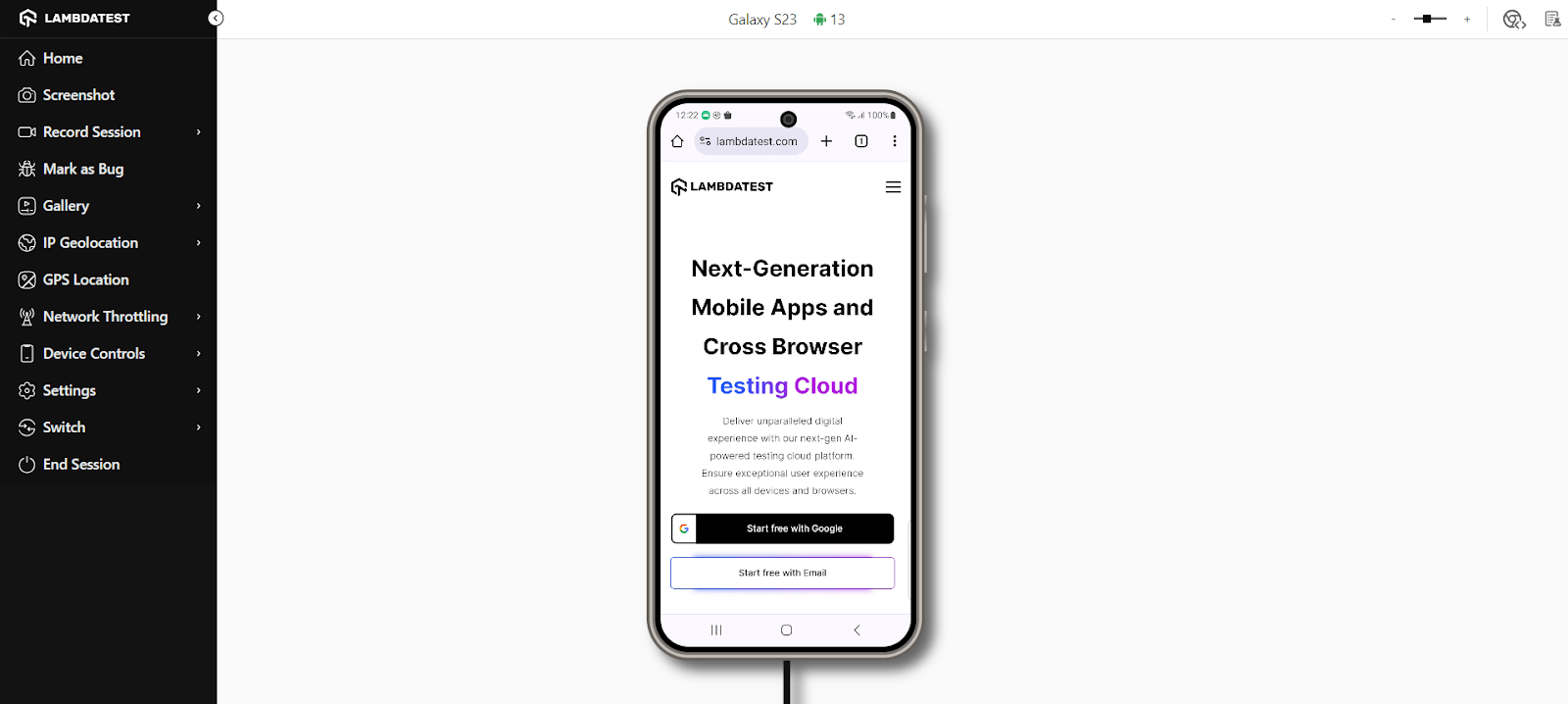
The following are the key features offered by the mobile websites:
- Responsive design: Adjusts seamlessly to various screen sizes and orientations.
- Easy navigation: Offers touch-friendly navigation.
- Mobile-friendly content: Text, images, and videos are optimized for better accessibility on small screens.
- Fast load times: Optimized for faster loading, even on slower mobile networks.
- Better user experience: Minimalistic design with clean and simple layouts ensures a hassle-free experience.
What Is a Mobile App?
A mobile application, or mobile app, is a software program designed to operate on mobile devices such as smartphones. These apps are typically downloaded from the App Store or Google Play. They are specifically adapted for small, wireless computing devices and often provide services similar to those accessed on personal computers.
Mobile apps are usually compact and standalone, offering functionality for tasks such as gaming, calculations, communication, and web browsing. Their introduction has revolutionized how we interact with technology, providing a convenient and user-friendly way to access information, services, and entertainment.
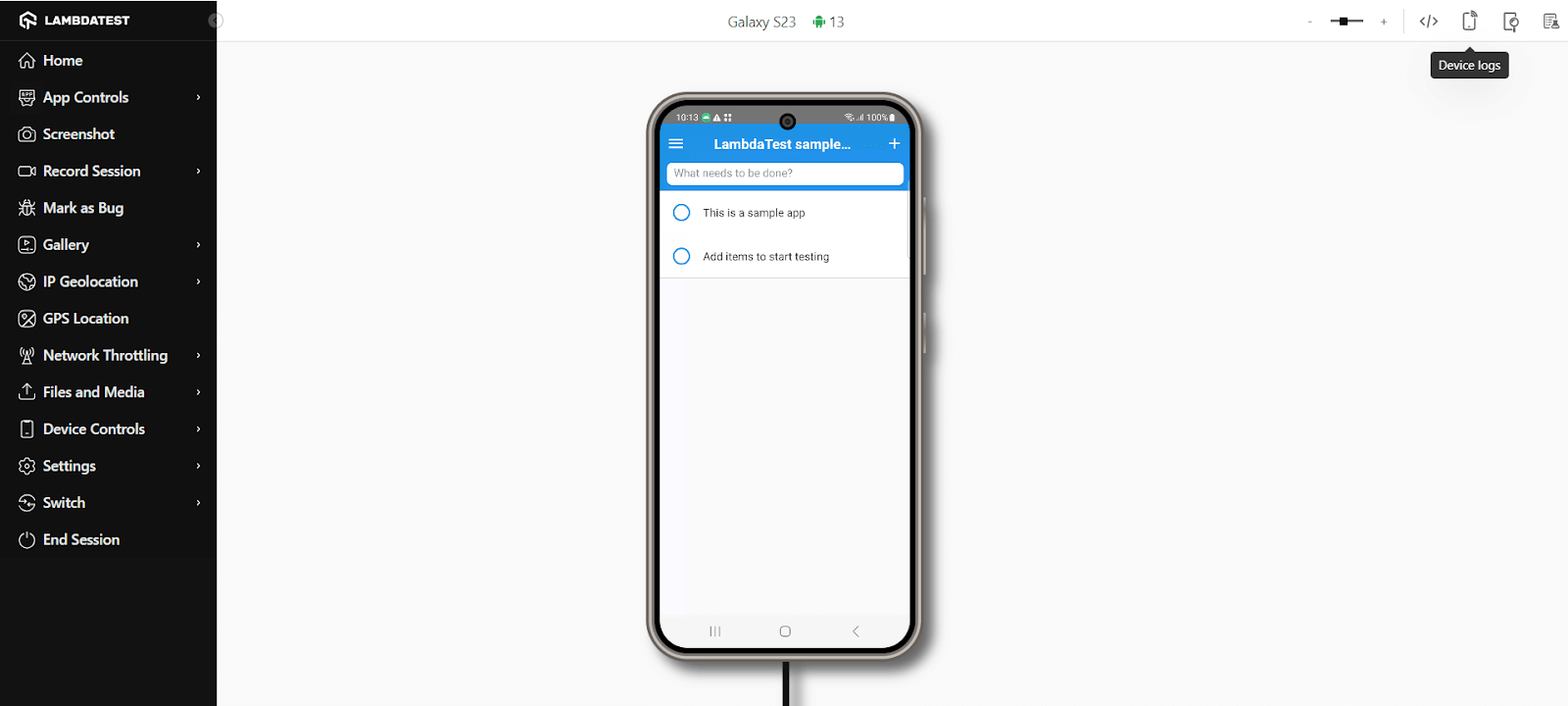
To better understand the importance of mobile apps, here are some key features and reasons that enhance their usability and functionality.
- OS Optimization: Built for a specific OS (iOS or Android) to ensure top performance and experience.
- Device Feature Use: Leverages camera, GPS, and accelerometer for enhanced functionality.
- User-Friendly UI: Simple interfaces with menus, icons, and gestures like tap, swipe, and pinch.
- Personalization: Allows users to adjust notifications, language, and privacy settings.
- Push Notifications: Sends timely updates and alerts without disrupting user activity.
- Offline Access: Some features work without internet, improving accessibility and convenience.
Difference Between a Mobile Website vs Apps
To make an informed choice between developing a mobile website or a mobile app, it’s crucial to understand the key differences between the two.
In this section, we will compare mobile websites vs apps.
| Aspect | Mobile Websites | Mobile Apps |
|---|---|---|
| Description | These are sites developed to be accessed on any mobile browser. | They are applications designed for use on mobile devices or any portable gadgets. |
| Accessibility | They are readily accessible through a mobile browser on various devices (such as iPhone, Android, BlackBerry, etc.). | Users must download and install mobile apps from an app store before accessing the content or functionality. |
| Compatibility | They can be accessed on any device regardless of its OS, where URLs seamlessly integrate with mobile technologies like SMS, QR Codes, and NFC. | They require separate versions for each platform (Android, iOS, etc.) |
| Complexity | They are generally less complex than apps. They consist of interconnected pages and don’t offer personalized experiences or analyze user engagement. They also have limited access to built-in device features. | They are typically more complex, with interactive interfaces. They offer personalized experiences and can analyze user engagement. Apps can also utilize built-in device features like the camera or GPS for enhanced functionality. |
| Discoverability | They are easily discoverable as their pages are indexed by search engines and can appear in search results and industry directories. They also automatically redirect mobile visitors to the mobile version for a better user experience. | They primarily rely on app stores for visibility. They are less likely to appear in general search engine results, and users need to actively search and download them from app stores. |
| Shareability | They have the advantage of easily shareable URLs, which can be circulated through email, text messages, social media, and print. Publishers can seamlessly guide users to a mobile website from a blog or website. | They cannot be shared in the same manner as mobile websites, requiring users to search and download them from app stores. |
| Reach | They have greater reach potential due to their accessibility across platforms and easy shareability among users and search engines. They can be indexed by search engines and easily shared via links, increasing their visibility and reach. | They have limited reach compared to websites. Their visibility relies primarily on app stores, making them less accessible to users and search engines than mobile websites. |
| Time and Cost | They are typically less costly than developing a mobile app. Mobile websites can be updated easily by publishing changes, with updates immediately visible to users. | They require more time and cost to develop due to their complexity and additional programming requirements. Updates to mobile apps must be pushed to users, which can be a more involved process compared to updating a mobile website. |
| Support and Maintenance | Over time, supporting and maintaining a mobile website is generally less expensive and more involved than a mobile app. Upgrades, testing, and compatibility issues are typically easier to manage for a mobile website. | Adequately supporting and maintaining a mobile app, including upgrades, testing, compatibility issues, and ongoing development, is significantly more expensive and involved compared to a mobile website. Mobile apps require more resources and effort to remain functional and compatible with evolving technologies and devices. |
| Can a Mobile website serve as a Mobile app? | They can be developed as a database-driven web application that functions similarly to a native app. It is a practical alternative to mobile app development, offering similar functionality and user experience. | They can be developed as database-driven applications. They function as native apps, providing a more immersive and interactive experience than mobile websites. Mobile apps are typically designed for specific platforms and offer advanced features and capabilities. |
To summarize, organizations can choose between mobile websites and mobile apps based on their requirements. Each option has its advantages and limitations. Mobile websites may offer broader accessibility, while mobile apps can provide a more tailored user experience.
Depending on the industry demand, organizations can decide whether to build a responsive website or a dedicated app available through the Apple Store or Google Play Store. Whichever they choose, they should ensure frequent updates and maintenance.
Understanding Mobile Website
A mobile website is a version of a website optimized for viewing on smartphones and tablets, ensuring fast loading and easy navigation on smaller screens. Unlike apps, it runs through a browser and doesn’t require installation.
Mobile Websites: Advantages and Limitations
Mobile websites have become essential in the digital age, providing users with access to information and services on the go. They offer several advantages, like improved accessibility and user experience, but also have certain limitations.
Understanding the pros and cons is crucial for businesses who are looking to optimize their mobile presence.
The advantages of mobile websites are mentioned below.
- Accessible on Different Screen sizes: They are accessible on different screen sizes irrespective of the operating system, making them more inclusive for users.
- Ease to Maintain and Update: Maintaining and updating a mobile website is easier and requires less effort as the changes can be made directly to the website.
- Broader Reach: Since it’s accessed via a web browser on any device with an Internet connection, it allows broader reach compared to mobile apps that need to be downloaded.
- Search Engine Optimization (SEO): They can be optimized to help improve visibility and ranking in search results, which is essential for attracting organic traffic.
- Cost-Effectiveness: Creating mobile websites is often less expensive than developing mobile apps.
While mobile websites offer numerous advantages, some limitations may discourage some organizations from building them.
- Limited Access to Device Features: They can not use complete device features such as push notifications, calendar integration, or access to sensors like GPS or accelerometer.
- Limited Offline Access: Users cannot access any features of mobile websites offline.
- Challenges in Design for Different Devices: Finding a layout that works well on desktops and mobile devices can be challenging.
- Performance Constraints with Multimedia: Using multimedia, high-resolution images, or other interactive elements is limited to prevent slow loading times on mobile platforms.

Note: Ensure your website is consistent across 53+ device viewports. Try TestMu AI Today!
Types of Mobile Websites
Mobile websites can be classified into various categories depending on their intended use, features, and layout.
- Responsive Websites: These websites are mobile-friendly and easily adapted to the different screen sizes of various mobile devices.
- Adaptive Websites: These websites automatically adjust their layout and content based on the device and screen size of the user, ensuring an optimized experience for each device.
- Mobile-Only Websites: These websites are mainly designed for mobile devices only. They are very simple interfaces specific to small screen sizes of mobile.
- Location-Based Mobile Websites: These websites use location-aware capabilities of mobile devices to give location-specific information and services.
Understanding Mobile Apps
Mobile apps are software applications designed to run on smartphones and tablets, offering users specific services or functions. They can be downloaded from app stores and are built for platforms like iOS or Android using different development frameworks.
Mobile Apps: Advantages and Limitations
Mobile apps have become an essential part of our daily lives, offering various functionalities. From social networking and gaming to shopping, mobile apps provide tailored experiences that cater to specific user needs. While mobile apps provide several benefits, they also come with certain limitations.
Understanding the advantages and limitations of mobile apps is crucial for businesses to thrive in the digital landscape.
Mobile app has several set of advantages, some of which are as follows:
- Enhanced Performance: They provide faster performance than web applications, as they are optimized for mobile devices and can utilize resources more efficiently.
- Convenience and Ease of Use: They are convenient and easy to use, requiring just a single click to access, which is more user-friendly than navigating through a web application via a browser.
- Data Storage and Offline Access: They can store data such as preferences and display settings locally on the device, allowing easy access without requiring an Internet connection.
- Personalization: Mobile apps can leverage user data to deliver personalized content and experience. This increases user engagement and satisfaction.
Mobile apps also have certain limitations that need to be addressed. Some of them are as follows:
- High Development Cost: Creating a mobile app can be expensive, especially when developing it for multiple platforms (iOS, Android, etc.)
- Frequent Updates: It requires frequent updates.
- Incompatibility Across Platforms: Some mobile apps are incompatible across different platforms. For example, they need to maintain compatibility with the OS requirements they are designed for to ensure compatibility across all platforms, which can be challenging as the OS version and requirements keep changing over time.
- Storage Issues: Apps take up considerable space on the user’s device, which can be challenging for users with limited storage space.
Types of Mobile Apps
Mobile apps come in various forms, each developed to serve specific needs and functionalities. Broadly, mobile apps can be classified based on their development approach, functionality, and target audience.
There are four main categories of mobile apps.
- Native Apps: Native apps are specifically designed for Android or iOS platforms. They are downloaded through app stores like Google Play or the Apple App Store rather than accessed via the web. These Native apps often perform better than general apps offering the same service.
- Web Apps: Web apps are applications that run on web browsers rather than being installed directly on the user’s device.
- Hybrid Apps: Hybrid apps combine the features of native and web apps and support both types of technology. It uses programming languages like Objective C, Swift, and HTML 5. These apps are quick and easy to create from the developer’s perspective, but they often have lower performance rates and provide a less valuable experience for the end-user.
- Progressive Web Apps: A Progressive Web App (PWA) is a web application that offers a native app-like experience directly in a web browser using modern web technologies. They are designed to work offline, load quickly, and provide a native app-like look and feel on various devices, including desktops and mobiles.
To learn more about these apps, go through this blog on Web vs Hybrid vs Native apps.
To gain a more in-depth understanding of various types of mobile apps, refer to this blog on different types of mobile apps.
With all the details we have learned about mobile apps, it becomes important for developers and testers to ensure that their mobile apps work as expected across various devices and operating systems, not just one combination. Testers can perform mobile app testing to identify and fix bugs before users do, ensuring the app works correctly with multiple devices and OS combinations.
Be it mobile apps or mobile websites, testers can use cloud-based platforms like TestMu AI, an AI-native test execution platform, to perform manual and automated testing across 5000+ browsers, 10000+ real devices, and OS combinations, as well as emulators and simulators, ensuring thorough testing of mobile websites and mobile apps.

Conclusion
With the global increase in mobile usage, organizations face the ongoing consideration of “mobile websites vs apps.” Mobile websites are ideal for businesses lacking real-time customer interactions or frequent updates. They also benefit businesses aiming to reach a broad audience, enhancing social presence by offering shareable blogs and videos on mobile devices.
Conversely, for businesses requiring customer interaction, an app can offer enhanced functionality throughout the customer journey. It can address customer needs such as support or product purchases. Additionally, apps are advantageous for users who require frequent access to products or services daily. Ultimately, the decision to develop a mobile app or website depends on the needs of end-users and the target customer base.
To further enhance your expertise and preparation, be sure to check out our comprehensive guide on Top asked mobile testing interview questions. This resource will equip you with the knowledge needed to excel in the rapidly evolving field of mobile testing.


Frequently asked questions
Did you find this page helpful?
More Related Hubs
TestMu AI forEnterprise
Get access to solutions built on Enterprise
grade security, privacy, & compliance
- Advanced access controls
- Advanced data retention rules
- Advanced Local Testing
- Premium Support options
- Early access to beta features
- Private Slack Channel
- Unlimited Manual Accessibility DevTools Tests