

Next-Gen App & Browser Testing Cloud
Trusted by 2 Mn+ QAs & Devs to accelerate their release cycles


19 Best UAT Testing Tools [2026]
Discover the best 20 UAT testing tools that will help you streamline the UAT process, enhance collaboration, and ensure compliance with regulatory standards.
February 8, 2026
User Acceptance Testing (UAT) allows stakeholders and end-users to validate if the application meets the requirements and functions well in real-world scenarios. To validate the applications working based on shared product or project requirements, organizations can use UAT testing tools to help them achieve their goal.
However, selecting the right UAT testing tool can be crucial for efficiently evaluating an application’s functionality, usability, and performance. Any selected tool must streamline the UAT process, enabling comprehensive testing and feedback, considering project needs, budget, and team skills, integrating existing workflows, and ensuring compliance with data protection standards.
What Is User Acceptance Testing (UAT)?
User Acceptance Testing (UAT) is performed towards the end of the software development life cycle. The end user performs this testing to identify potential defects or usability concerns that might affect how they interact with the software. Typically, end users or their representatives are involved to ensure the product meets their specific needs and expectations.
UAT can be categorized into several types, each serving different purposes and objectives.
- Alpha Testing: This type is conducted by the internal team or developers within the organization before the software is released to external users.
- Beta Testing: This involves releasing the software to a select group of external users or customers to gather feedback in a real-world environment.
- Contract Acceptance Testing (CAT): It ensures the product meets quality standards and fulfills contractual obligations after completing all UAT types.
- Operational Acceptance Testing (OAT): It ensures that software meets the end-user requirements, helping to verify if the software operates as expected in an operational context.
- Regulation Acceptance Testing (RAT): This type of testing ensures that the new product, process, or system complies with specific regulatory requirements.
- Business Acceptance Testing (BAT): This type of testing helps ensure the application meets the business objectives.
Importance of UAT Testing Tools
The primary objective of UAT is to ascertain that the software operates as intended, aligning with the expectations of its target audience. This validation entails replicating real-life scenarios and user interactions to assess the application’s performance, usability, and functionality in practical environments.
The importance of UAT testing tools cannot be overstated, as they offer a plethora of advantages, including:
- Structured Testing: It provides a structured approach to testing, allowing teams to create, manage, and execute test cases systematically.
- Test Case Management: It offers robust test case management capabilities, enabling testers to organize, prioritize, and track test cases throughout the UAT process.
- Defect Tracking and Reporting: It typically includes defect tracking and reporting features, allowing testers to log, assign, and monitor defects identified during testing.
- Test Data Management: It provides features for test data management, enabling teams to create, manage, and reuse test data sets for various testing scenarios.
- Audit Trail and Traceability: It maintains compliance with regulations and ensures extensive coverage through traceability, simplifying the generation of audit trails.
- Collaboration and Communication: It facilitates communication and collaboration between developers, project managers, testers, end users, and other stakeholders to exchange feedback and ensure that all parties are in sync and well-informed throughout the testing process.
- Automation Capabilities: It integrates automation capabilities, enabling teams to automate specific aspects of the testing process.
Best UAT Testing Tools
Using UAT testing tools, enterprises can streamline the UAT process, boost testing efficiency, and improve software quality. These tools enable end-users and stakeholders to participate in testing, ensuring the final application meets their expectations.
Traditionally, UAT was conducted manually; however, due to the escalating complexity of software systems and the quest for more efficient testing methodologies, UAT has transformed. This evolution has ushered in specialized UAT testing tools, which have become indispensable for organizations aiming to streamline their testing procedures and ensure the delivery of top-notch software solutions.
Below is a list of the best UAT testing tools organizations can use to conduct user acceptance testing effectively. These tools help validate applications from the user’s perspective, identify bugs, and address issues before the application is released to end-users.
1. TestMu AI
It is one of the best cloud-based UAT testing tools for enhancing the user acceptance testing process. At its core, TestMu AI is an AI-native test execution platform that lets you conduct manual and automated tests at scale over a remote test lab of 3000+ web browsers, 10000+ real devices, and OS combinations.
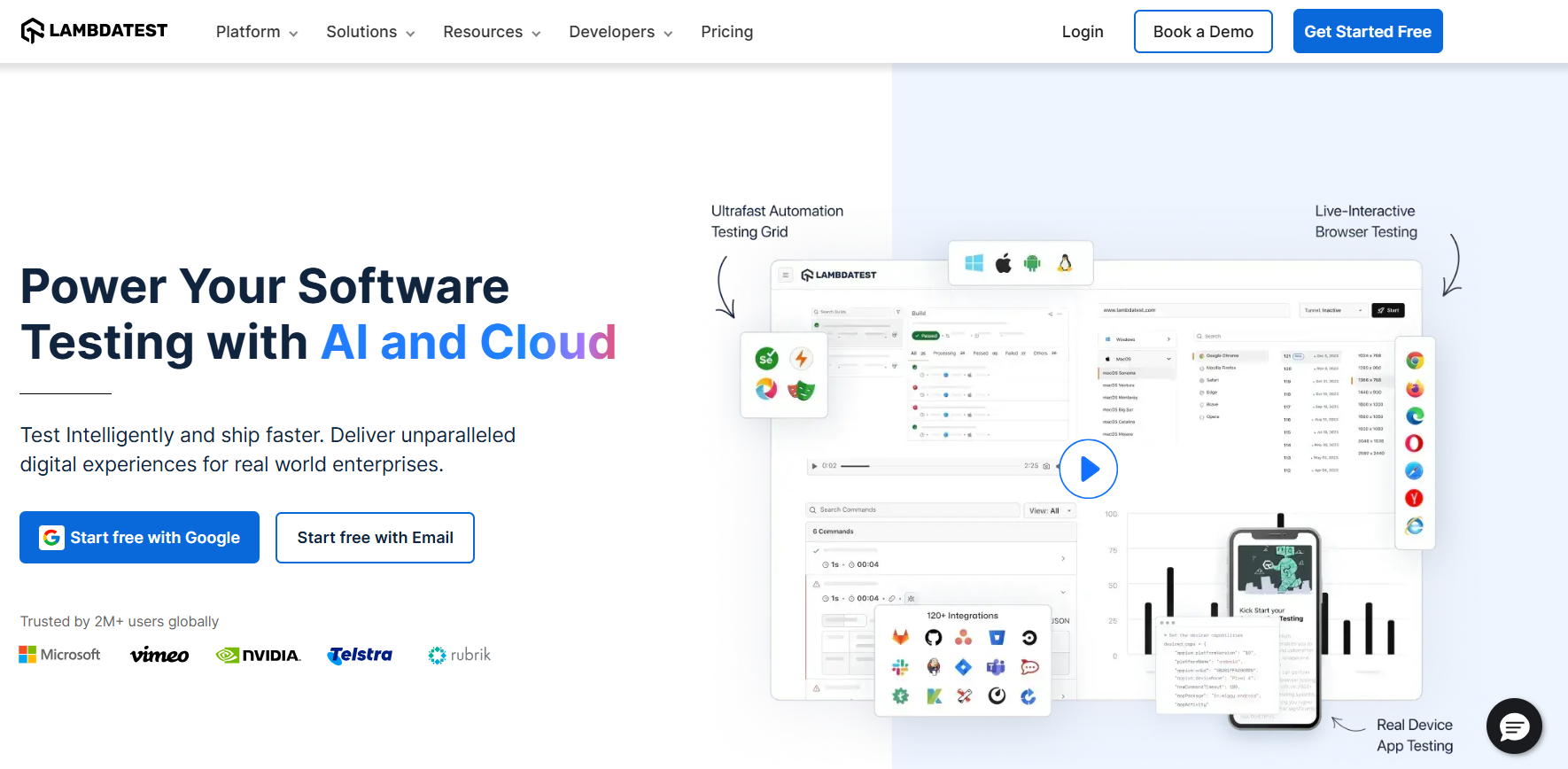
Additionally, TestMu AI integrates smoothly with other UAT testing tools such as QMetry, Testim.io, and PractiTest, further enhancing its flexibility and capability to streamline the UAT process.
Below are the key factors that make TestMu AI one of the best UAT testing tools:
- Cross-Browser Testing: Validate web applications across multiple browsers and versions in real-time.
- Real Device Testing: Test mobile apps on actual devices in the cloud.
- Automated Testing: Integrate with Selenium and Playwright for automated user flow testing.
- Visual Testing: Compare screenshots to identify visual inconsistencies.
- Accessibility Testing: Ensure your website is accessible to all users, including those with disabilities, by using the Accessibility DevTools Chrome extension.
- HyperExecute: Run tests 70% faster than any other cloud grid.
- Performance Insights: Analyze test results for performance optimization.

2. TestRail
TestRail is one of the well-known UAT testing tools that enables software testing teams to streamline their UAT processes efficiently. Developed by Gurock Software, this robust test management product has become a top choice for expediting and optimizing the UAT process. Its feature-rich set and user-friendly interface allow organizations to conduct organized and efficient UAT, fostering collaboration and delivering high-quality software products.
Below are the key factors that make TestRail one of the best UAT testing tools:
- User Management and Access Control: Assign roles and permissions to stakeholders, end-users, and testers.
- Integrations: Integrate seamlessly with tools like Jira, GitHub, Slack, and various automation frameworks.
- User Adoption: Gaining buy-in from end-users and stakeholders may necessitate cultural shifts and process changes.
- Data Migration: Transitioning from other test management tools may involve challenges and require careful planning.
3. Maze
Among the myriad tools available, Maze has emerged as a leading solution, empowering teams to conduct comprehensive UAT efficiently and precisely. Developed by a team of UX professionals and researchers, it offers a unique approach to UAT, combining intuitive design, powerful analytics, and a user-centric philosophy. Maze is a continuous product discovery platform that revolutionizes the product research workflow by providing real-time user insights.
Below are the key factors that make Maze one of the best UAT testing tools:
- Scalability and Performance: Assess scalability and performance for larger UAT projects.
- Easy to Use Testing Environment: Intuitive UI with drag-and-drop features and pre-built templates.
- Diverse Testing Methodologies: Support for the live website, prototype, and moderated/unmoderated testing.
- Interactive Prototyping: Create prototypes for collaboration and feedback.
- Real User Testing: Gain insights from real user behavior and preferences.
- Heatmaps and Click Tracking: Visualize user interactions to optimize experience.
- Integration with Existing Workflows: Requires integration with project management and development tools.
- Data Security and Privacy: Ensure compliance with data privacy laws and implement security measures.
4. SpiraTest
SpiraTest is one of the best UAT testing tools to streamline the testing process and enhance software quality. It integrates requirements management and bug tracking, offering an all-inclusive solution for managing automated and manual test scripts and cases. It provides a unified platform for handling test cases, monitoring failures, generating detailed evaluations, promoting effective testing procedures, and ensuring software quality.

Below are the key factors that make SpriaTest one of the best UAT testing tools:
- Exploratory Testing: Support for discovering new issues during UAT.
- Requirements Traceability: Link test cases to specific requirements.
- Customization Requirements: Planning is needed to modify the tool to specific procedures.
- Integration Complexity: Expertise is required to configure integrations with existing tools.
- Maintenance and Support: Time and resources needed for technical issues and support.
- Data Security: Ensure data protection and adherence to regulations.
5. TestLink
TestLink is one of the leading open-source UAT testing tools for user acceptance testing, designed to streamline test planning, execution, and reporting in software development projects. Its intuitive interface and robust features make it a top choice for organizations seeking efficiency and reliability in UAT. It offers a centralized platform for organizing test plans, assigning testers, tracking execution progress, and generating reports.
Below are the key factors that make TestLink one of the best UAT testing tools:
- Self-Hosting: Requires technical proficiency for setup and maintenance; managed cloud solutions may be preferable.
- Customizable Test Plans: Create test plans tailored to project needs.
- Customization Complexity: Extensive options require understanding team needs for effective use.
- Collaborative Testing: Facilitate communication and cooperation among team members.
- Reporting and Metrics: Provide insights into test coverage, execution status, and key metrics.
- Limited Support: Relies on the open-source community for support.
6. Kualitee

Kualitee stands out as one of the cloud-based UAT testing tools, providing a comprehensive solution to streamline and simplify the UAT process. Its intuitive interface and extensive features support efficient test planning, execution, and defect tracking, ensuring thorough validation of software applications before deployment. While Kualitee addresses broader software testing needs, its primary focus is enhancing the UAT process for effective software delivery.
Below are the key factors that make Kualitee one of the best UAT testing tools:
- Test Case Management: Central hub for test case creation and organization.
- Test Execution: Easy test execution, result documentation, and media capture.
- Defect Tracking: Integrates with JIRA for defect logging and monitoring.
- Test Environment Management: Manage and configure test environments.
- Cloud-Based Access: Accessible from anywhere, anytime.
- Customization: Less extensive customization options.
- Collaboration: Facilitates comments, feedback, and communication.
- Reporting and Analytics: Track progress, assess coverage, and create reports.
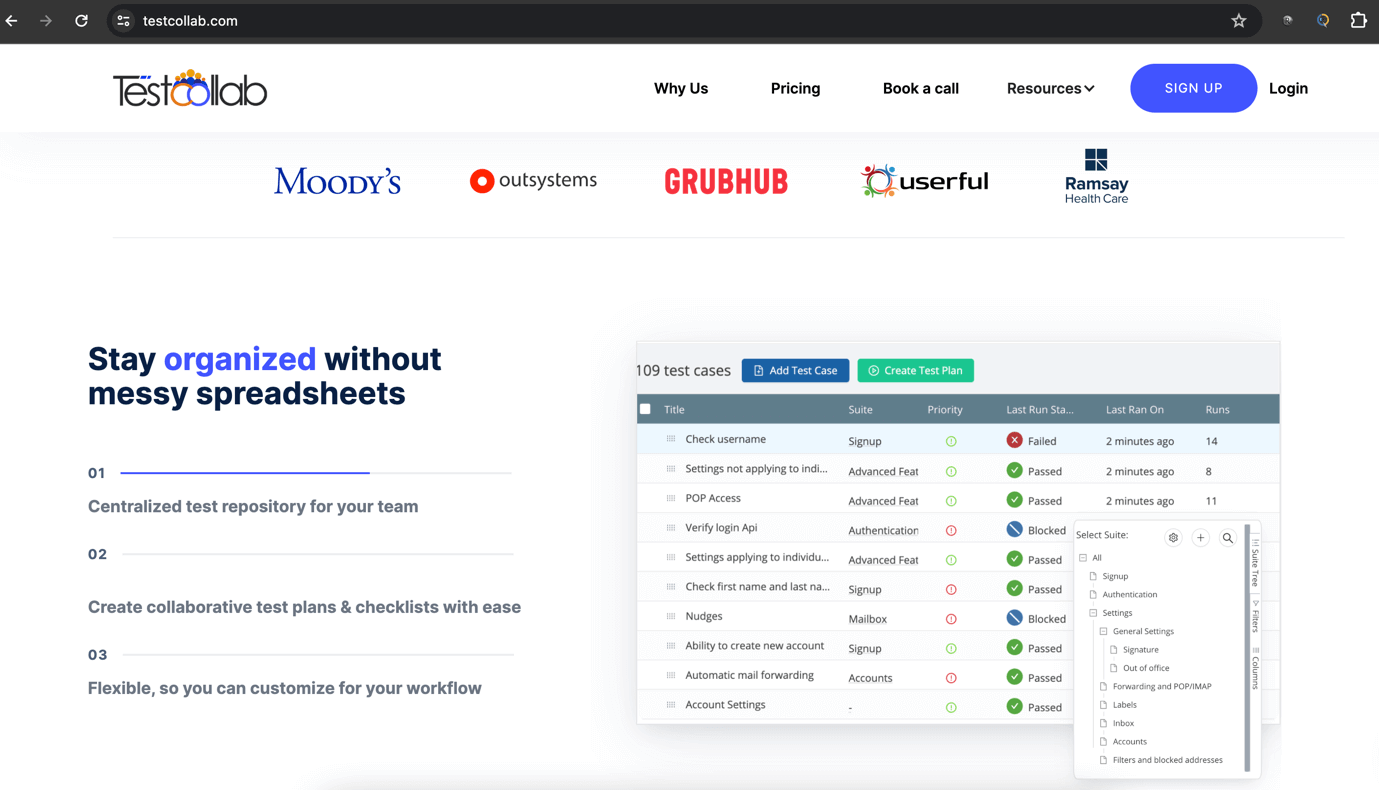
7. TestCollab
TestCollab is a versatile UAT testing tool designed to streamline the testing process. It provides a collaborative platform for managing test cases, facilitating execution, and tracking results. It focuses on user-friendliness and clear communication, making it accessible to testers with various technical backgrounds.
While it addresses broader software testing needs, It fosters collaboration during UAT, ensuring efficient test planning, execution, and defect tracking for thorough software validation before deployment. If you’re new to scripting for user acceptance testing, here’s a helpful guide on how to write a UAT test script that complements tools like TestCollab.
Below are the key factors that make TestCollab one of the best UAT testing tools:
- Intuitive Test Case Management: Manage UAT test cases with detailed steps and conditions.
- Visual Test Case Creation: Create test cases with screenshots and annotations.
- Collaborative Test Execution: Record results, add comments, and collaborate in real-time.
- Integrated Defect Tracking: Track defects and facilitate issue resolution within the platform.
- Actionable Reporting: Generate comprehensive reports with clear visuals and insights.
- Centralized Discussions: Enable communication among testers, developers, and stakeholders.
8. UserTesting
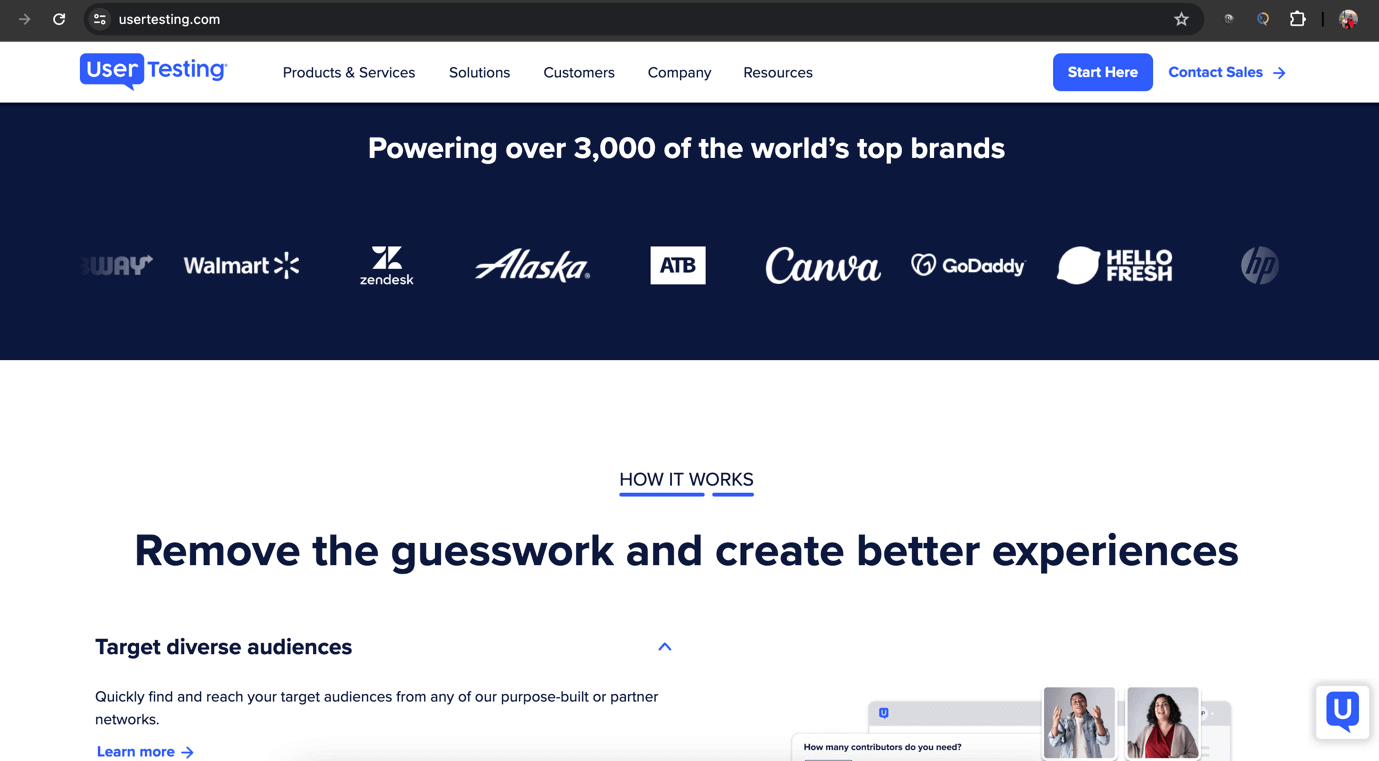
UserTesting is a remote usability testing platform that enhances the UAT process by connecting you with real users globally. It is one of the most valuable UAT testing tools, allowing organizations to validate software usability and functionality from the end-user’s perspective.
It facilitates usability studies on websites, mobile apps, or prototypes, providing insights into how real users interact with software and identifying potential usability issues. Unlike traditional UAT testing, it involves external testers who provide qualitative feedback on their experiences.
Below are the key factors that make UserTesting one of the best UAT testing tools:
- Genuine User Feedback: Collect video, audio, and written feedback from real users.
- Varied Testing Scenarios: Test websites, mobile apps, prototypes, and concepts.
- Flexible Targeting: Target specific demographics for diverse user testing.
- Insightful Data: Gain insights into user behavior, preferences, and issues.
- Agile Testing: Support for rapid feedback and iterative testing.
- Participant Availability: Recruiting diverse participants can be time-consuming.
- Test Design: Requires careful planning of test scenarios and tasks.
- Seamless Integration: Integrates with project management and collaboration tools.
9. Sentry
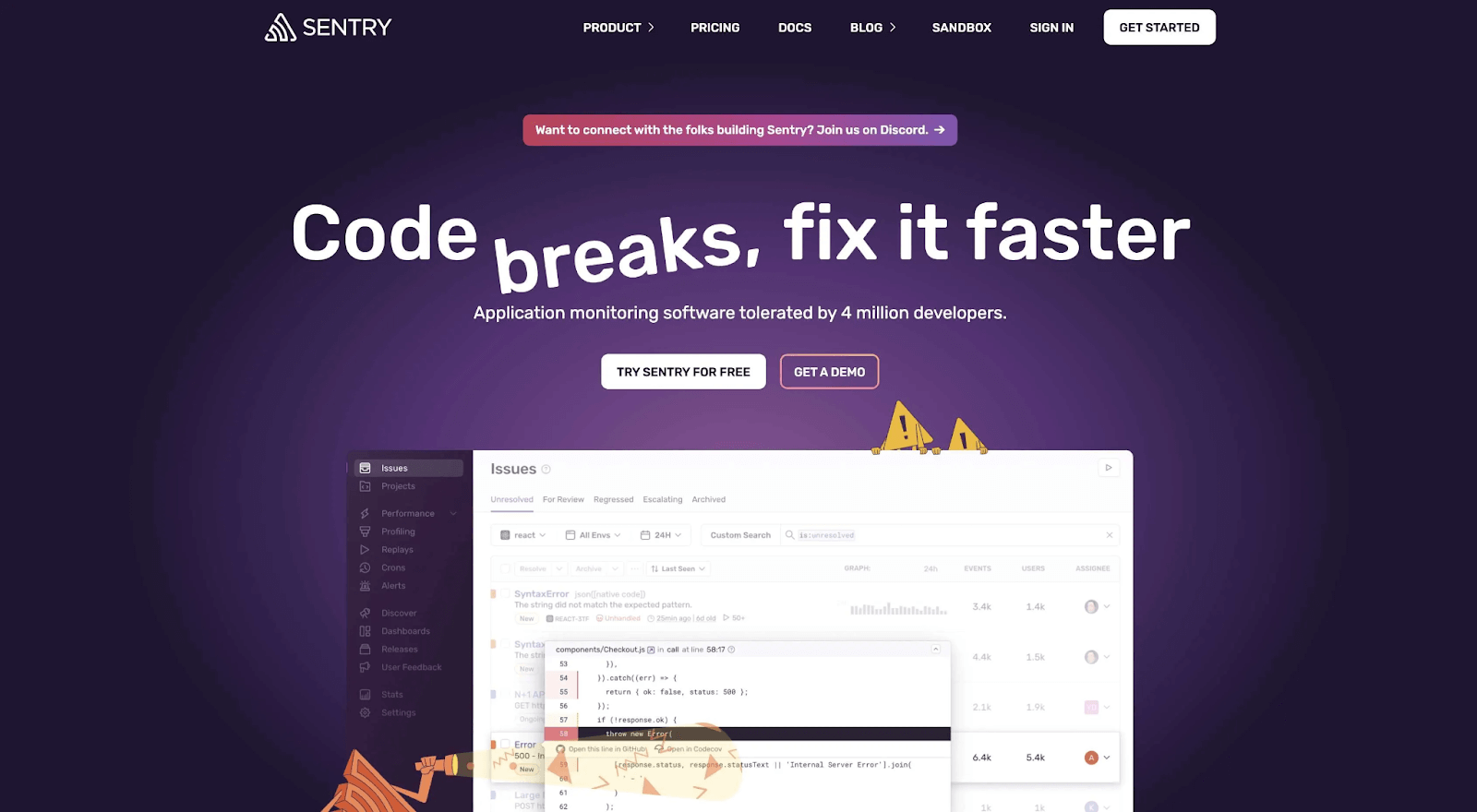
Sentry is one of the best UAT testing tools, as it excels in error tracking and performance monitoring and helps identify bugs and issues in real-time. While not a traditional UAT tool, it integrates with UAT processes to capture and report errors and performance issues encountered by users, helping in efficient problem resolution.
Below are the key factors that make Sentry one of the best UAT testing tools:
- Metrics [Beta]: Track custom data points and anomalies to solve issues faster, integrating seamlessly with Sentry workflows.
- Custom Views: Build and share views to monitor critical aspects like release health, latency, and issues over time.
- Unified Issue Tracking: View and manage errors and performance issues across multiple projects in one place.
- Visibility Filters: Filter issues by projects, environments, and date ranges for targeted analysis.
- Source Code Integration: See source code directly in stack traces.
- Error Filters: Filter traces for application errors, framework errors, or raw data.
- Stack Locals: View local variable values in Python and PHP errors.
- Workflow Ownership: Assign issue ownership based on code files, URLs, or event tags.
10. Contentsquare
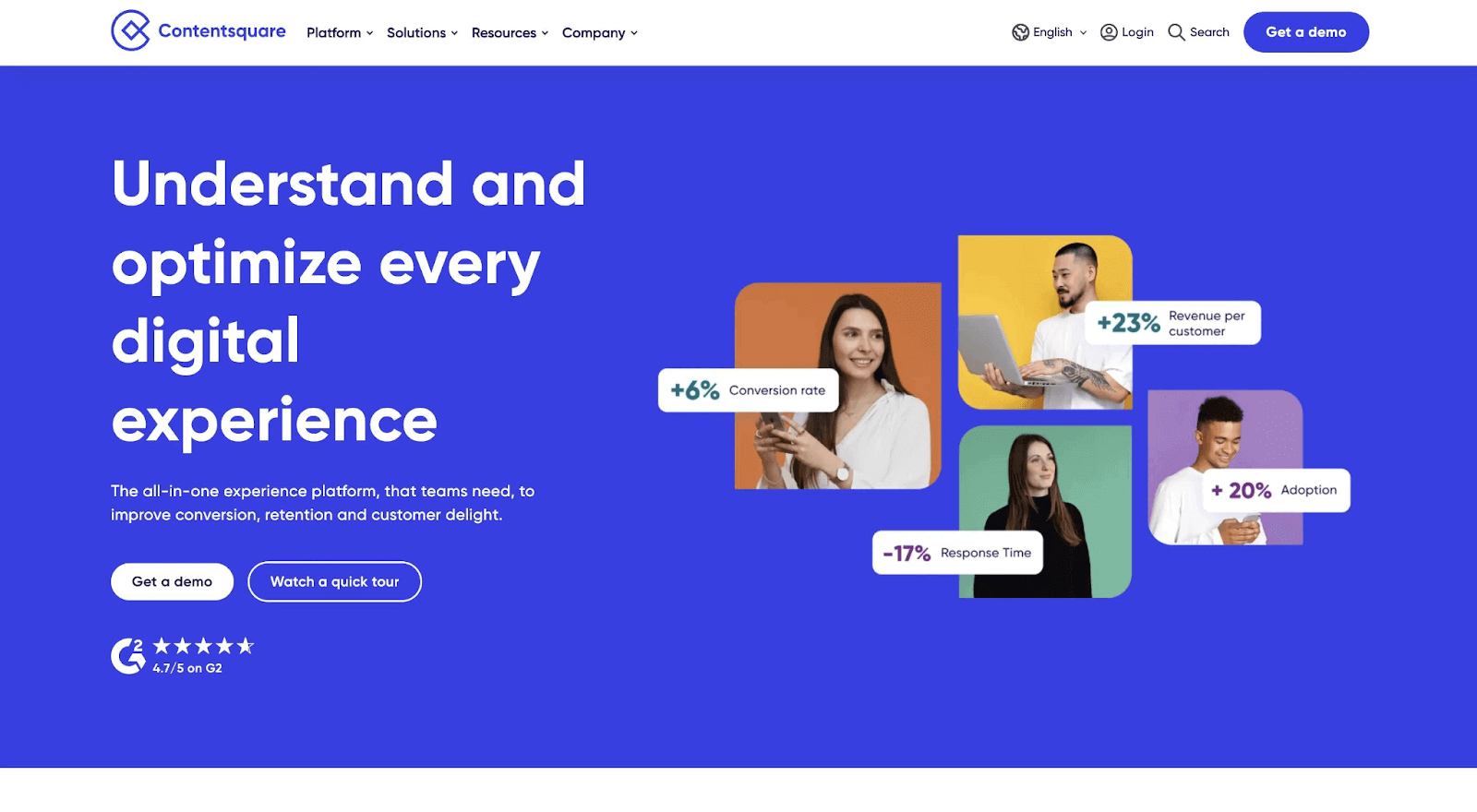
Contentsquare is one of the best UAT testing tools that offers advanced visual analytics for understanding user interactions on websites and web applications. Its features, such as heatmaps and session replays, help identify usability issues and optimize user flows during UAT, ensuring a seamless user experience.
Below are the key factors that make Contentsquare one of the best UAT testing tools:
- Click-Through Rates: Gather insights on click-through rates at various levels of granularity.
- Time Before First Click: Track users’ time before their first click.
- Exposure Rates: Measure exposure rates to understand user engagement and make actionable decisions on app UX.
11. UserBrain
It provides remote user testing with real users interacting with your product. UserBrain helps capture feedback through recorded sessions and user insights, offering a comprehensive view of usability issues and user experience challenges during the UAT testing process.
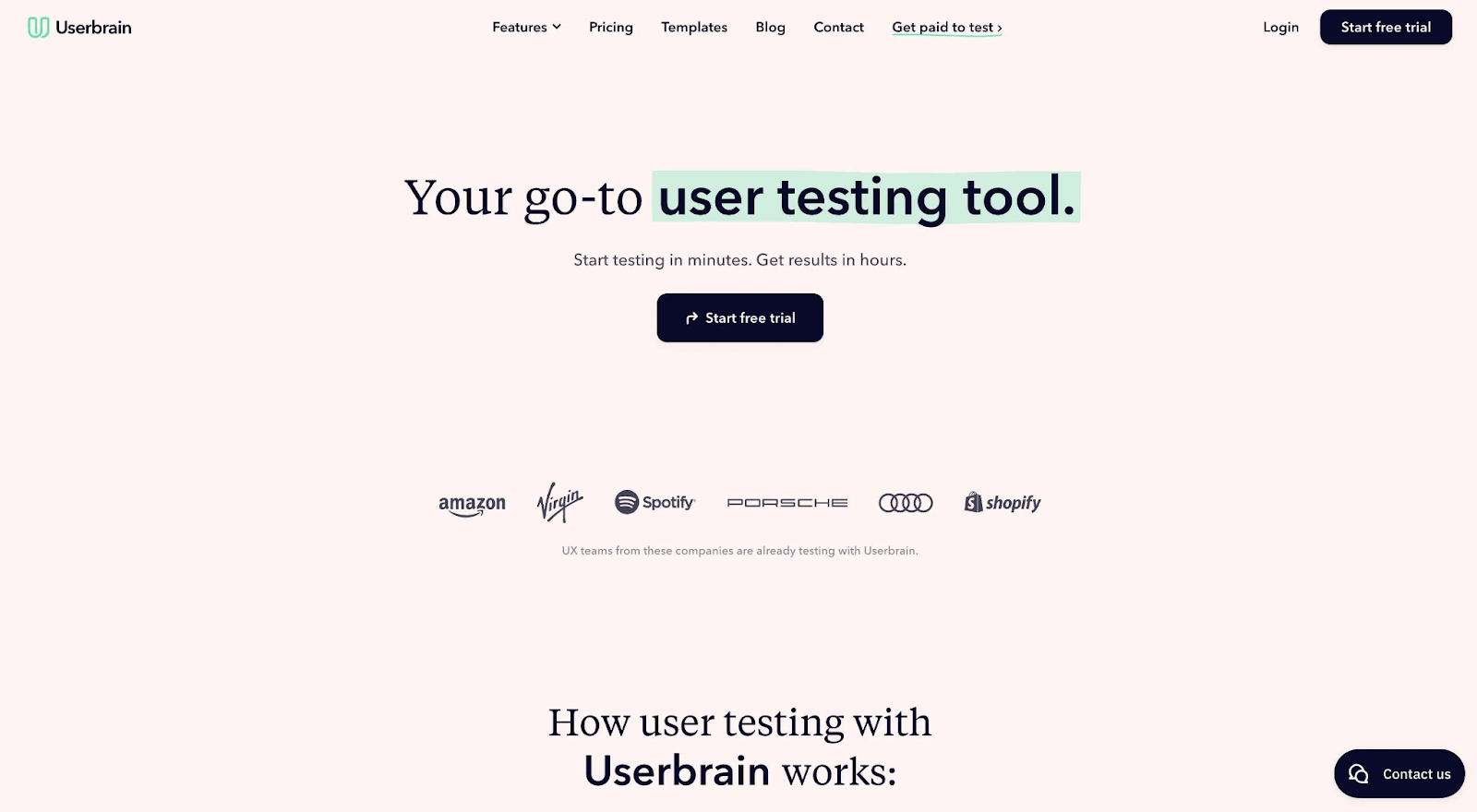
Below are the key factors that make UserBrain one of the best UAT testing tools:
- Remote User Testing: Gather feedback from users worldwide to understand diverse interactions.
- Screen Recordings: View recordings of user interactions to see navigation and behavior.
- Task-Based Testing: Create specific user tasks to test particular flows and identify issues.
- Detailed Feedback: Receive comprehensive user feedback on site impressions and usability.
12. FullStory
FullStory is one of the best UAT testing tools that delivers detailed session recordings and user interaction analytics, helping teams understand how users navigate their applications during the UAT testing process and identify the pain points and areas that need improvement through in-depth visual and behavioral analysis.
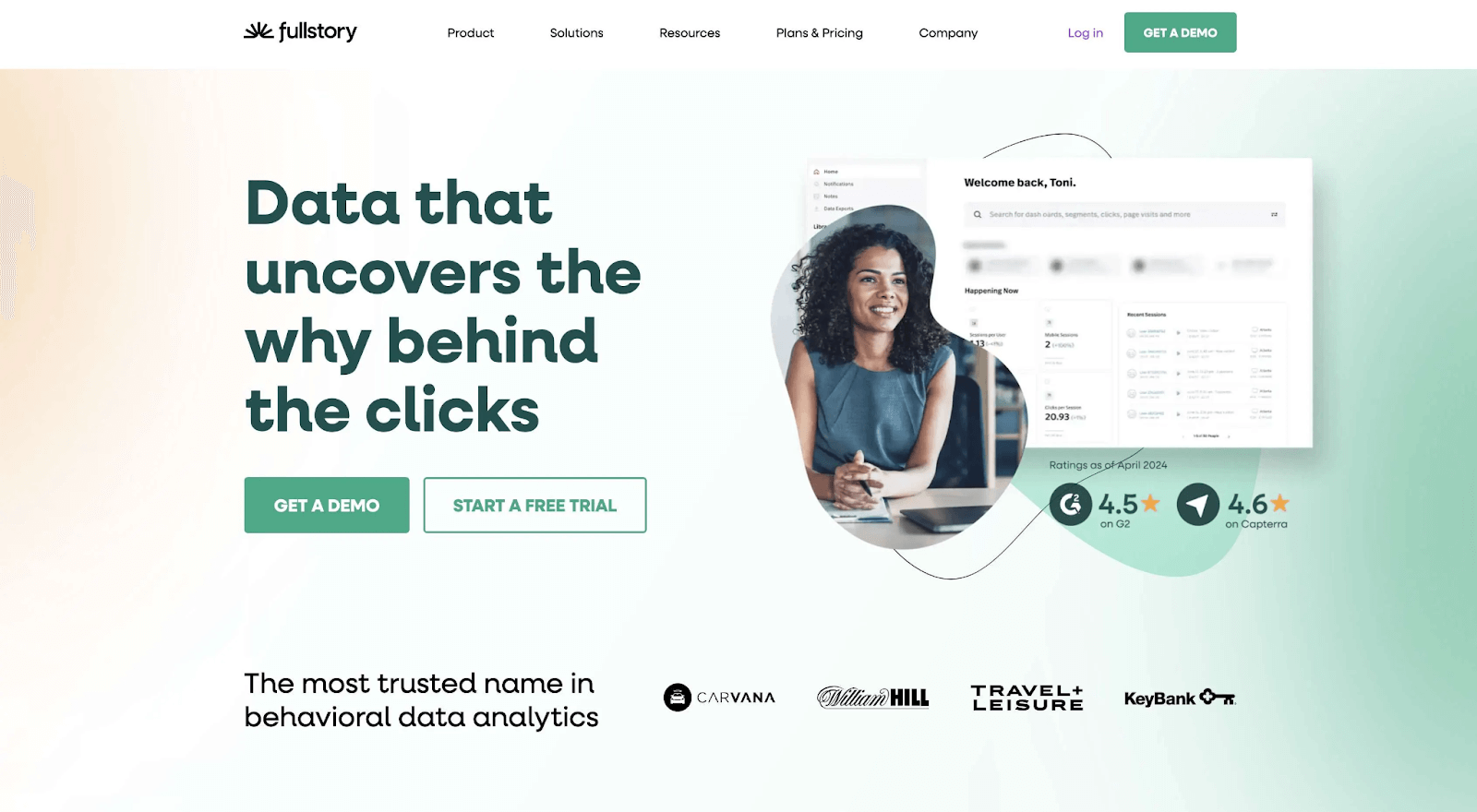
Below are the key factors that make FullStory one of the best UAT testing tools:
- Autocapture: Automatically captures user interactions and errors.
- Private by Default: Ensures user data privacy and security.
- Sentiment Signals: Detects and reports user sentiment during interactions.
- Funnels & Conversions: Analyzes user flow and conversion rates.
- Journey Mapping: Visualizes user journeys and identifies pain points.
- Dashboards: Customize dashboards for monitoring metrics.
- User Segments: Creates segments to analyze specific user groups.
- Session Replay: Replays user sessions for detailed insights.
- Heatmaps: Shows where users click, scroll, and hover on pages.
13. Amplitude
Amplitude is one of the best UAT testing tools specializing in product analytics. Tracking user behavior and engagement metrics provides insights into user interactions and trends. This helps teams assess usability and functionality issues during the UAT process by analyzing user data and engagement patterns.
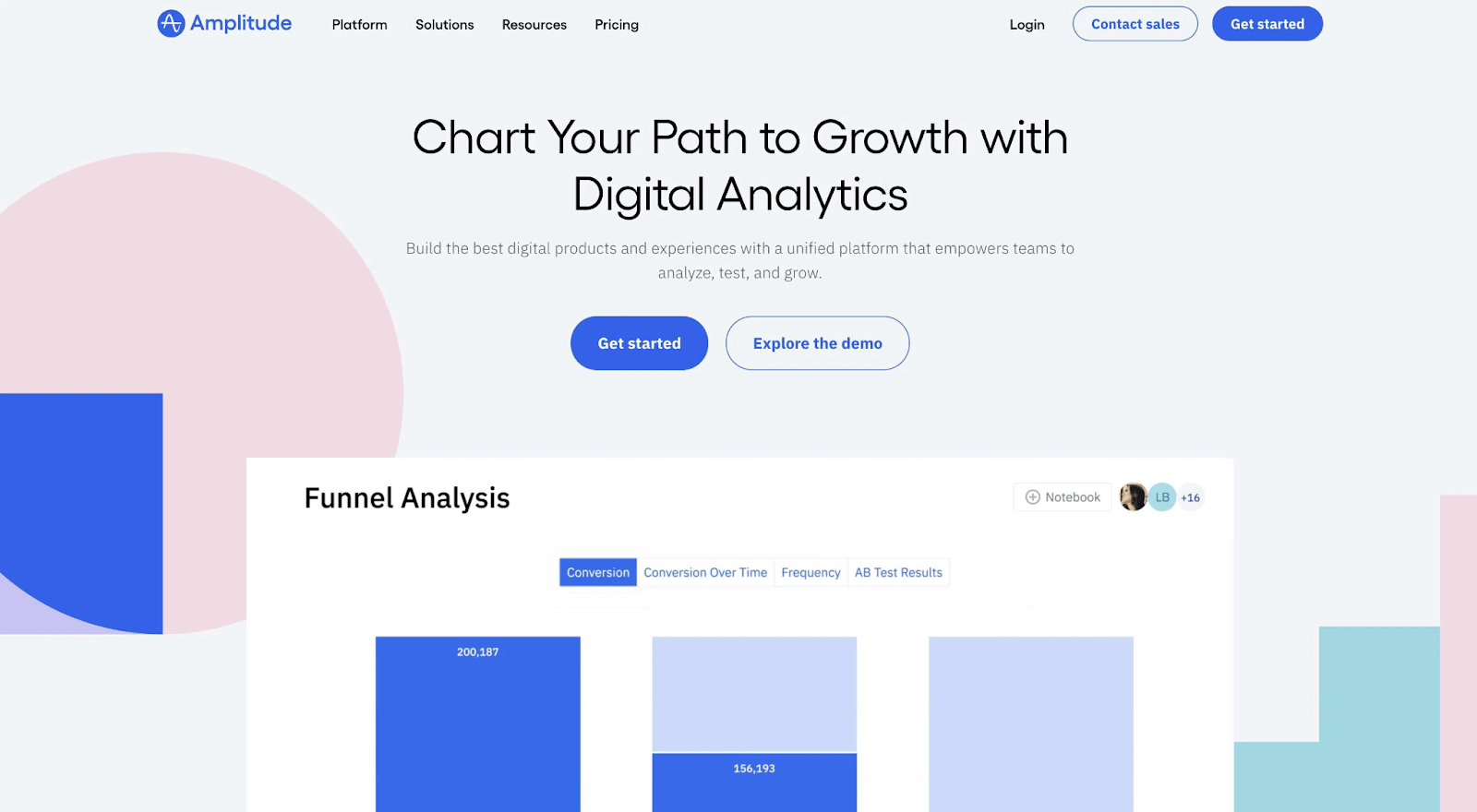
Below are the key factors that make Amplitude one of the best UAT testing tools:
- User Behavior Tracking: Monitor user interactions to pinpoint areas for improvement during UAT.
- Data Visualization: Visualize complex data to identify trends and patterns in user behavior.
- Experimentation: Test and validate changes with advanced experimentation features.
- Integrations: Connect with tools like Segment, Slack, and Salesforce for streamlined UAT workflows.
14. QMetry
QMetry is one of the cloud-based UAT testing tools designed to streamline the user acceptance testing process. It offers an intuitive interface and robust features to enhance collaboration, productivity, and traceability throughout the UAT workflow. It provides a centralized platform for validating software applications against user requirements and expectations, making it a valuable asset for managing UAT effectively.

Below are the key factors that make QMetry one of the best UAT testing tools:
- Gen AI Capabilities: Intelligent search, automated test case generation, and flaky test detection.
- High ROI: Scalable, high-performance tool ecosystem with multiple integrations (Jira, Jenkins, Circle CI, Bitbucket, Azure DevOps).
- Comprehensive Testing Control: Customizable queries, visual reports, and execution capabilities.
- Efficiency and Productivity: AI-enabled auto test case generation, reusable test assets.
- Seamless Migration: Easy migration from legacy tools like TestRail, ALM, and Zephyr using QMetry’s migration utilities.
15. PractiTest
PractiTest surpasses conventional UAT testing tools by providing a holistic test management platform that addresses the complete testing lifecycle, emphasizing UAT. With integrated AI capabilities, it optimizes test case generation, prioritizes testing tasks, and furnishes in-depth reporting. Its user-friendly interface and customizable functionalities make it an optimal solution for enterprises seeking to refine their UAT procedures and ensure the delivery of top-tier software products.
Below are the key factors that make PractiTest one of the best UAT testing tools:
- Centralized Test Management: Manage test plans, cases, requirements, and results in one place.
- Map Tests to User Stories: Link tests to user stories for better visibility and decision-making.
- Iteration Management: Plan and manage testing cycles with customizable templates.
- Defect Management: Log and track defects, assign tasks, and compare versions.
- Hierarchical Filters Tree: Organize tests by feature, priority, and severity.
- Custom Fields and Filters: Add and filter data to identify action items and problems.
- Traceability: Link requirements, test cases, and issues for full coverage and tracking.

Note: Conduct user acceptance testing across 3000+ browser and OS combinations. Try TestMu AI Now!
16. CenterCode
CenterCode is one of the best UAT testing tools that provides a comprehensive UAT management platform consolidating all facets of the UAT process. From tester recruitment and test case creation to defect tracking and reporting, it offers a unified platform for enhanced collaboration and data-driven decision-making.
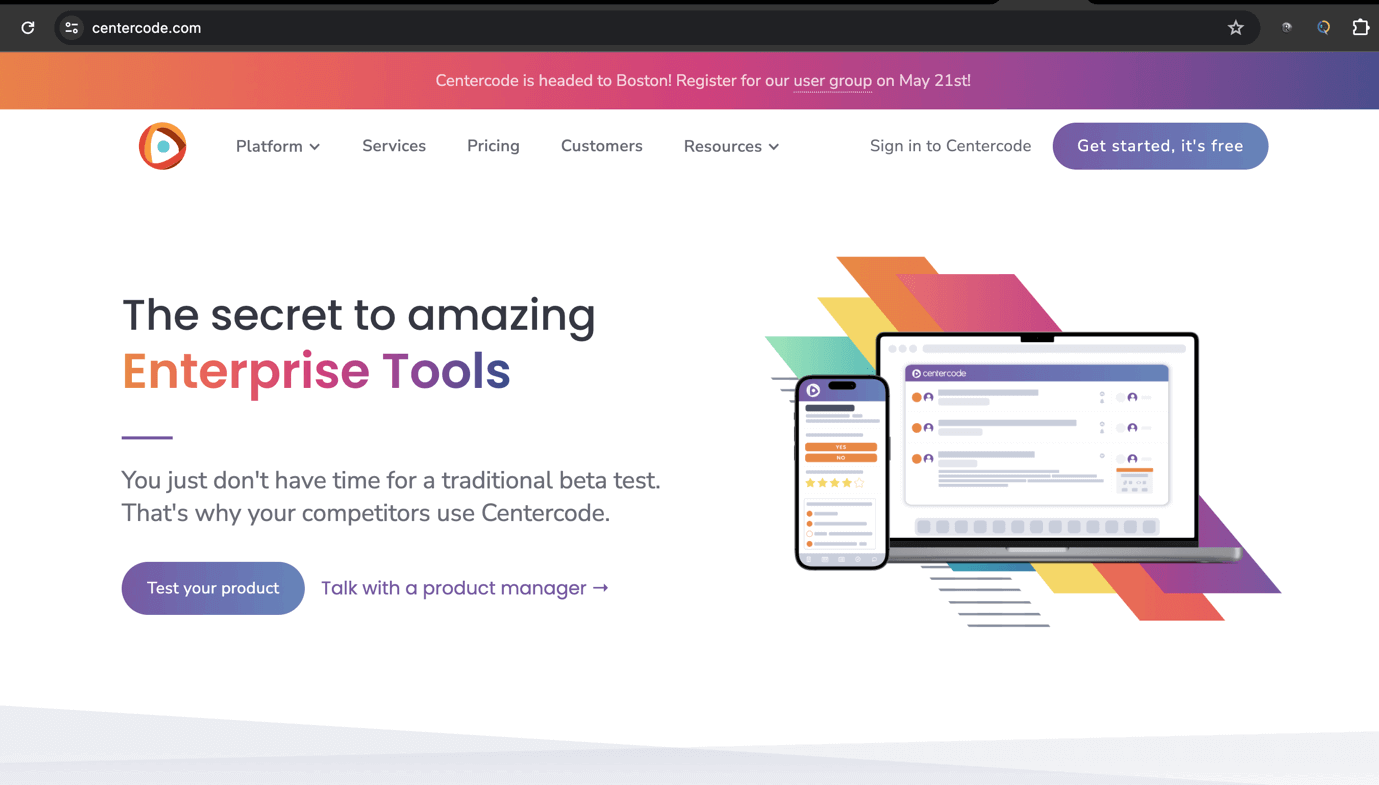
Below are the key factors that make CenterCode one of the best UAT testing tools:
- Phase Scoping: Select specific features and activities for testers to focus on.
- Tester Replenishment: Add fresh testers to meet increasing requirements and address attrition.
- Engagement Management: Automated engagement of testers based on performance and behavior.
- Feedback Management: Collaborative feedback is prioritized by Impact Score.
- Results Distribution: Auto-generated dashboards summarize results by feature and phase.
17. Testim.io
Testim.io simplifies and accelerates the UAT process, allowing testers of all skill levels to efficiently create, execute, and maintain automated tests. This approach significantly improves accuracy and reduces the time and effort associated with manual testing.
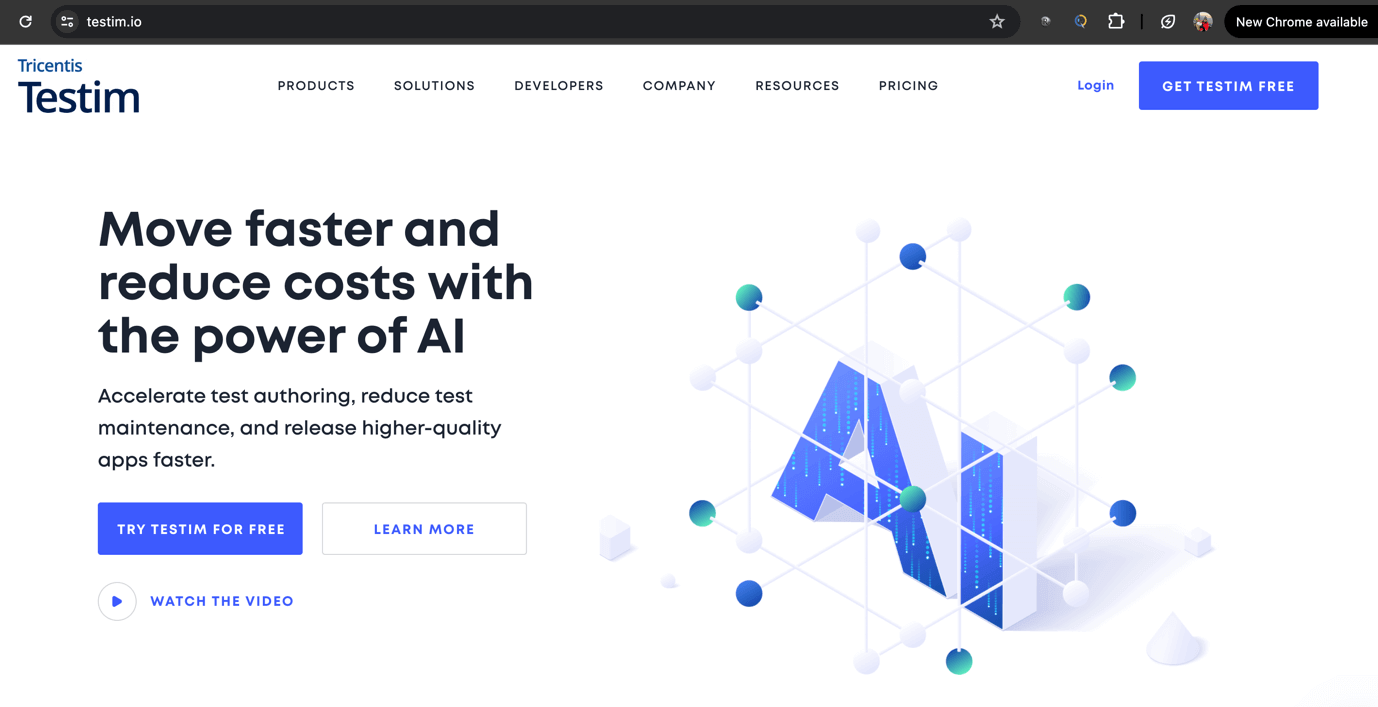
Below are the key factors that make Testim.io one of the best UAT testing tools:
- AI-Powered Test Creation: Automatically generate stable test scripts by recording user flows.
- Low-Code Maintenance: AI adapts tests to minor UI changes, reducing maintenance needs.
- Focus on Functional Testing: Primarily automates functional tests; may need other tools for comprehensive UAT.
- Visual Editor: Customize tests with a user-friendly visual editor.
- Reusable Components: Break down complex tests into reusable components.
- Parallel Test Execution: Run multiple tests simultaneously for faster feedback.
- Cross-Browser Testing: Ensure seamless experience across different web browsers.
- Mobile Testing: Test mobile web applications; native mobile app testing needs additional tools.
- Integrations: Connect with popular project management and defect-tracking tools.
- Data-Driven Testing: Use data sets for comprehensive test coverage.
- Advanced Reporting: Get clear, actionable insights into test results.
18. Qualaroo
Qualaroo is one of the best UAT testing tools that collects real-time user feedback and aligns functionality with user experience. It captures user feedback through in-app engagement techniques like surveys, polls, on-screen feedback widgets, and chat functionalities integrated within your web or mobile application during UAT. This approach allows you to gather immediate user insights, identify usability issues, and maintain a user-centric focus throughout the UAT process.
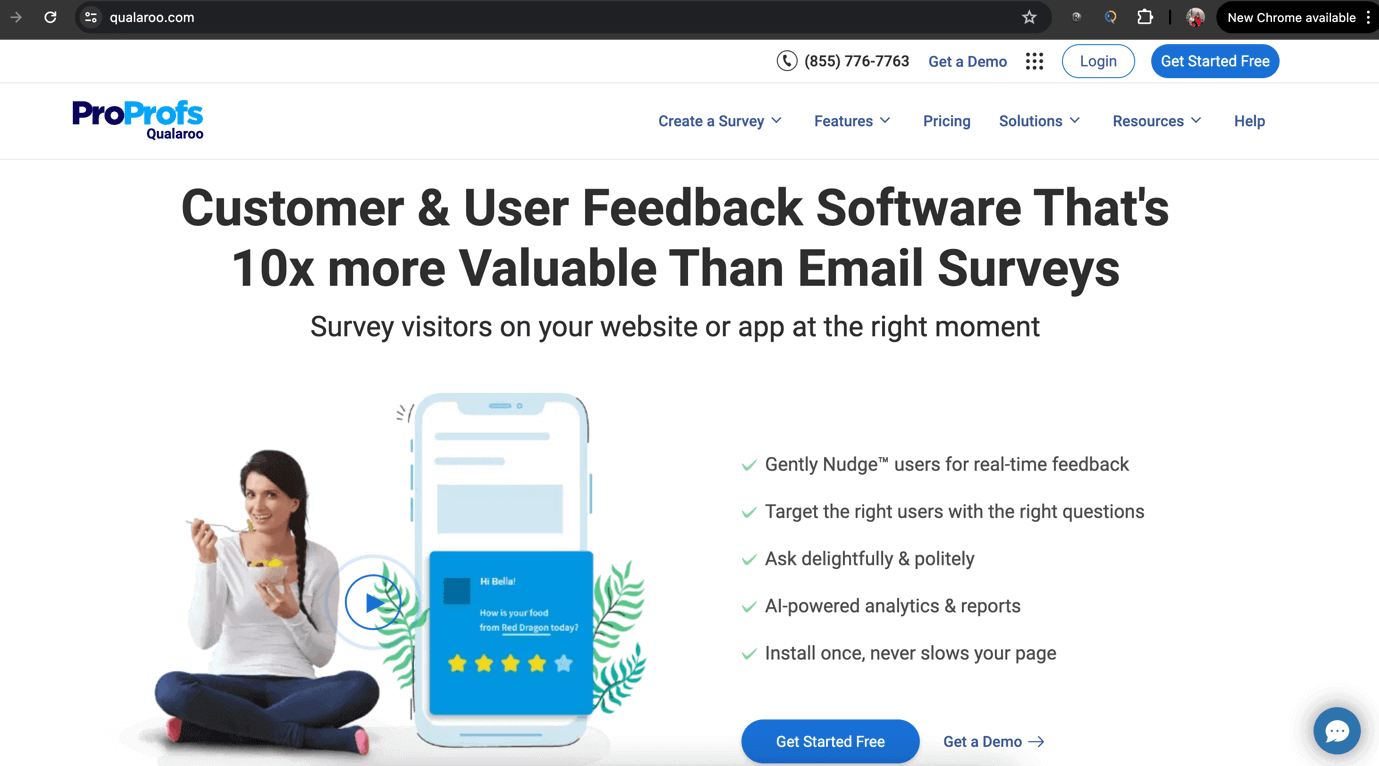
Below are the key factors that make Qualaroo one of the best UAT testing tools:
- In-Context Feedback Capture: Collect feedback directly from users during product use for valuable UX insights.
- Targeted Surveys: Segment audiences to gather feedback based on criteria like location, device, and referral source.
- Data Overload: Managing and interpreting large volumes of feedback can be complex.
- Real-Time Analytics and Reporting: Monitor real-time feedback trends and user behavior patterns.
- Seamless Integrations: Integrate with tools like Google Analytics, Salesforce, and Zendesk for a unified view.
- Customizable Experience: Modify survey templates and branding to align with the organization’s brand identity.
19. Hotjar
Hotjar is one of the well-known UAT testing tools that enhances features like heatmaps, session recordings, surveys, and feedback polls to visualize and understand user interactions. This helps organizations identify confusion points, drop-offs, and opportunities for optimizing user experience, ensuring functionality and user satisfaction are addressed.
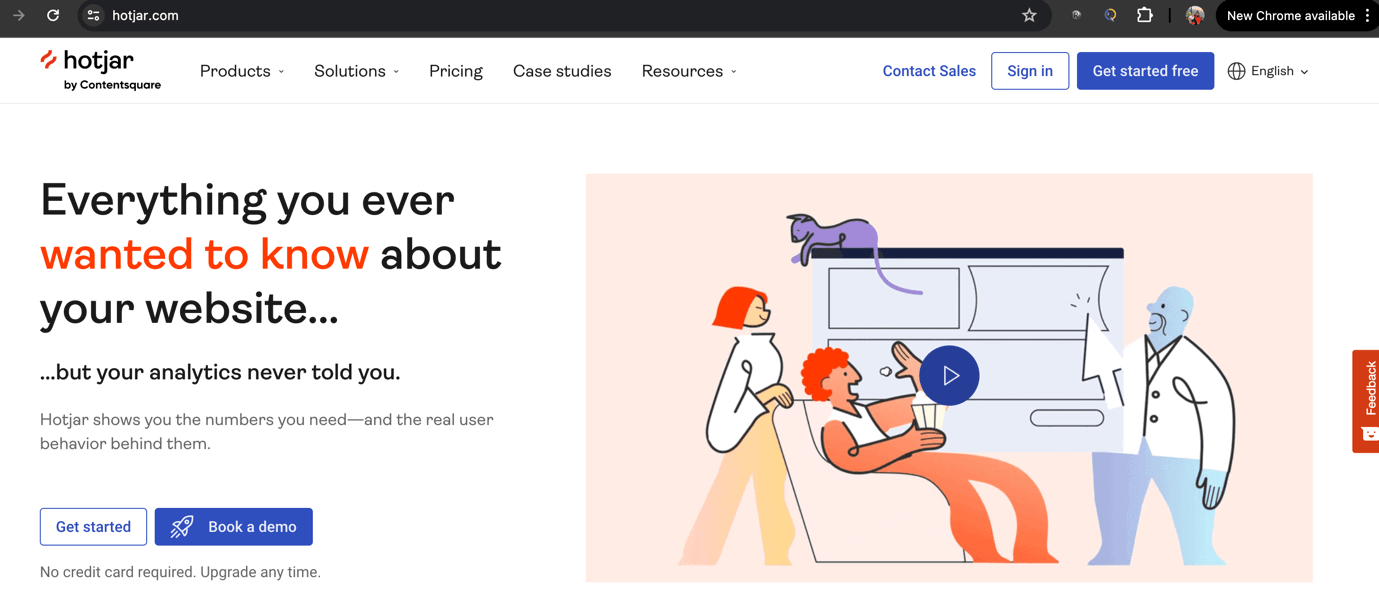
Below are the key factors that make Hotjar one of the best UAT testing tools:
- Heatmaps: Visualize user clicks, scrolls, and hovers to identify areas of interest and usability issues.
- Session Recordings: Record user sessions to analyze interaction patterns and uncover frustrations.
- Funnels: Track user flows through conversion funnels to identify drop-off points.
- Form Analytics: Analyze form abandonment rates and identify problematic fields. (Available on higher-tier plans)
- Visitor Feedback Polls: Collect user feedback directly within your app. (Available on higher-tier plans)
- Focus on User Behavior: Lacks core UAT functions like test case management and defect tracking.
- Performance Impact: Extensive tracking scripts may affect site performance.
- User Consent: Clearer mechanisms are required to obtain user consent for data collection.
By utilizing tools mentioned above for user-centric testing, organizations can better understand user behavior and preferences. This understanding leads to informed decisions that enhance product quality and improve overall customer satisfaction, as user experiences are prioritized and refined based on real feedback.
To learn more about why to perform user-centric testing watch the video given below.
Conclusion
The UAT testing landscape offers diverse tools, each with unique strengths and considerations. Selecting the ideal tool depends on your specific UAT requirements.
Remember, there is no one-size-fits-all solution. Consider your project needs, team skills, and budget to make an informed decision. You may find value in combining tools to create a comprehensive UAT strategy that balances functionality with a user-centric approach. Ultimately, the best UAT testing tools are the ones that help you deliver a high-quality product that meets user expectations.
Happy Testing!
Author


Frequently asked questions
Did you find this page helpful?
More Related Hubs
TestMu AI forEnterprise
Get access to solutions built on Enterprise
grade security, privacy, & compliance
- Advanced access controls
- Advanced data retention rules
- Advanced Local Testing
- Premium Support options
- Early access to beta features
- Private Slack Channel
- Unlimited Manual Accessibility DevTools Tests