

Next-Gen App & Browser Testing Cloud
Trusted by 2 Mn+ QAs & Devs to accelerate their release cycles


Shift Left Testing for Enhanced Efficiency in Agile and DevOps
Unlock the power of Shift-Left Testing in Agile & DevOps with insights on implementation, benefits, and real-world testing using testing tools.

Nishtha Gupta
February 17, 2026
Over time, the field of software testing has evolved to meet the rising demand for high-quality software within tight timelines. While the traditional Waterfall Model was once the go-to method for testing software applications, the need for shorter release cycles has prompted the industry to seek alternative solutions. One such solution is Shift Left Testing. In this blog we will deep dive into the concept of Shift Left Testing, explore its rationale, outline the advantages it brings, and provide insights into its implementation.
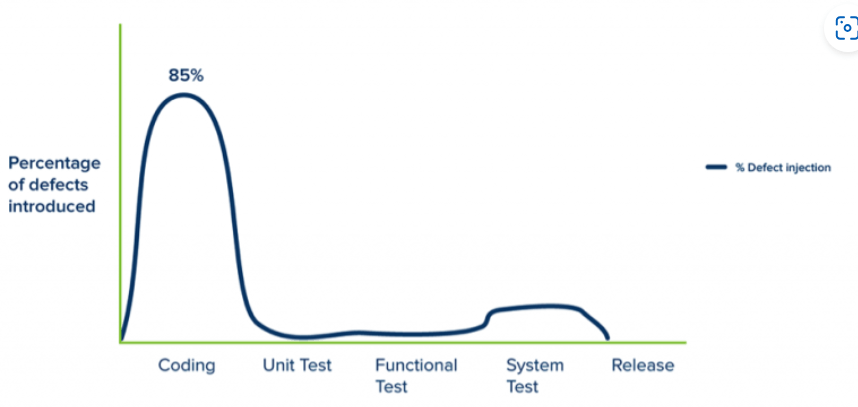
Souce: stickyminds.com
The effectiveness of the Shift Left Testing strategy is well demonstrated in a widely recognized graph by Capers Jones. This graph depicts the escalating cost of bugs and defects as they infiltrate the software at different phases of the development process. This metric serves as a visual representation of the rationale behind adopting the shift-left approach, emphasizing the importance of catching and addressing issues earlier in the software development lifecycle.
Why is Shift Left Necessary?
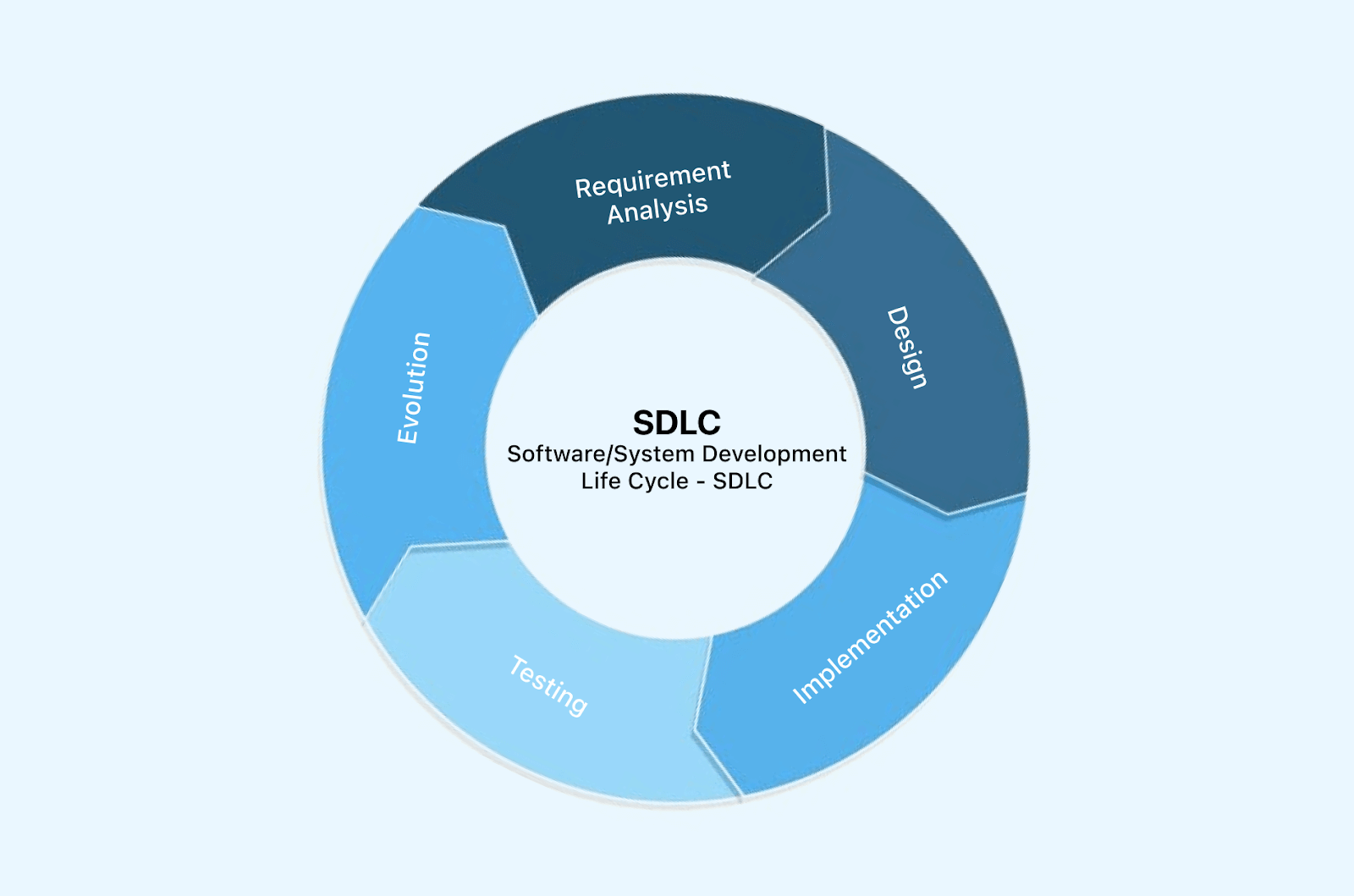
In the traditional software development model, requirements are placed on the left side of the plan, while the delivery and testing requirements are on the right. The issue with this approach is that it struggles to adapt to changing expectations and requirements, leading to unfavorable outcomes for businesses such as more costs, slower time-to-market, and unpredictable errors
Cost alone serves as a compelling reason to shift testing to the left. The Systems Sciences Institute at IBM reported that it costs 6x more to fix a bug found during implementation than to fix one identified during design. Furthermore, according to IBM, the cost to fix bugs found during the testing phase could be 15x more than the cost of fixing those found during design.
The Shift Left approach underscores the importance of developers focusing on quality from the earliest stages of a software build, rather than waiting for errors and bugs to surface late in the Software Development Life Cycle (SDLC). Shifting left enables product teams to perform daily tasks such as testing, providing feedback, and reviewing changes and progress.
Does your Organization need Shift Left Testing?
While the shift left testing approach promises benefits like- early bug detection, faster software releases, improved software quality, etc, it’s not always a one-size-fits-all solution. Determining its suitability depends on various factors specific to your organization. It’s crucial to consider the following factors while implementing shift left testing in your organization:
- Your development methodology: Shift Left thrives in Agile and DevOps environments with continuous integration and delivery (CI/CD) pipelines.
- Your team’s skill set and culture: Do you have the necessary testing expertise and a collaborative development culture?
- Your specific testing needs: Do the benefits of early bug detection outweigh the potential challenges in your context?
Further in certain scenarios, shift left testing might not be ideal. For example:
- Limited resources: Implementing Shift Left effectively requires investment in tools, training, and cultural change. Smaller enterprises might struggle with these initial costs.
- Legacy systems: Testing older systems with complex dependencies might not be easily adaptable to Shift Left practices.
- Highly regulated industries: Stringent compliance requirements might necessitate specific testing procedures that don’t align perfectly with Shift Left principles.
- Need for real-world testing: Some types of testing, like performance testing under heavy user load, are better suited for later stages closer to production.
It’s often recommended to adopt a balanced approach combining Shift Left practices with complementary techniques like Shift Right testing, which focuses on real-world performance closer to production.
How to do Shift Left Testing?
Let’s have a look at how can organizations get started with shift left testing: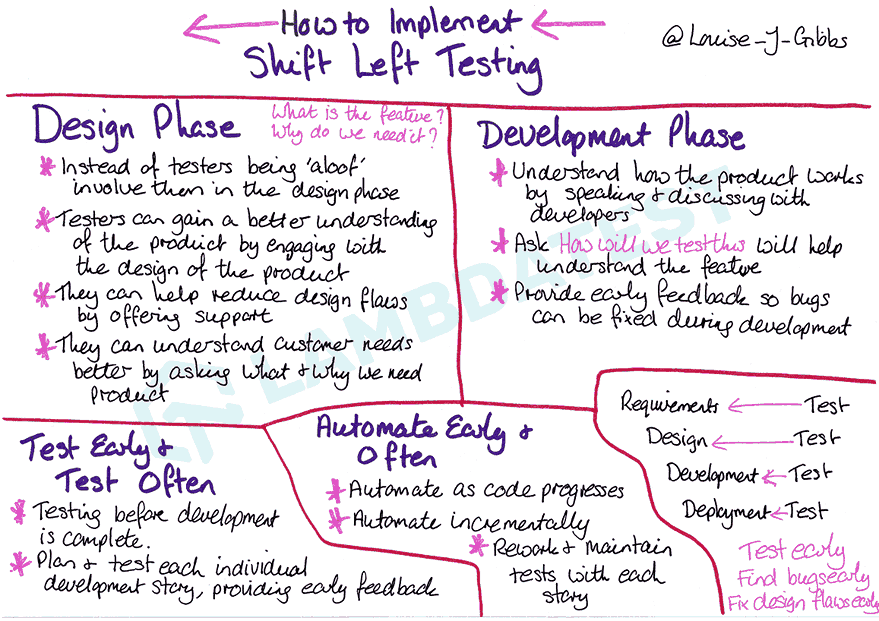
By Louise J Gibbs
- Including Developers in Testing Activities: It’s important for your development team to agree on the same coding rules. This agreement not only makes code reviews faster but also ensures better code quality. Simply put, When developers check their code before pushing it into the main branch, the combined code is cleaner and less likely to have bugs. Each code unit is simpler to test because they are smaller and easier to navigate.
- Integrating Testing in Early Development Stage: Consider how testing can be integrated into the early stages of the software development life cycle. One potential strategy is adopting the agile methodology, involving small code increments or sprints. Each sprint should include both development and testing phases to ensure comprehensive test coverage for every small feature.
- Adopting Continuous Automation in your Organization: Since shift left testing requires regular testing, the development team should use continuous automation testing tools. In addition to automating the deployment of new builds, it’s beneficial to automate tests for each code update.
In cases where a drastic shift to agile methodology is not feasible for some organizations, the development team can collectively agree to write unit tests for each feature they develop. This instills confidence in the accuracy of the implemented business logic. In later stages, integration tests should be introduced to ensure seamless integration of these code units
This eases the workload on the testing team and offers faster feedback on code stability. In simple terms, automated testing speeds up the development process, helping to reduce the time it takes to bring a product to market. Additionally, it ensures that fewer bugs are discovered later in the software development life cycle.
To know more about how to implement shift left testing, read this article: Shift Left Testing Approach
What Happens after you Shift Left?
Having implemented shift left testing, the most common question that gets asked is what does shift left testing do? What exactly will change?
So shift left testing, in literal terms pushes the code to the left, i.e, pushing it to the earlier stages and thereby reducing the number of bugs and improving the overall quality of the software. Here are some of the changes that shift left testing brings with itself:
- Better Test Coverage: Shift-left testing naturally leads to a rise in test coverage. With more individuals writing tests more frequently and starting earlier in the development process, a larger portion of the application becomes covered by tests.
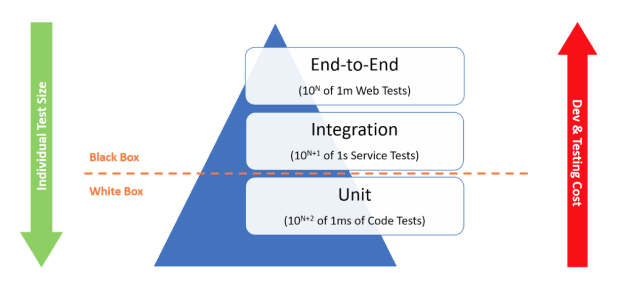
- Following the Testing Pyramid: The testing pyramid guides the prioritization of automated software tests, emphasizing more unit tests due to their speed, cost-effectiveness, and ease of implementation. Shifting left implies a higher likelihood of developers writing unit tests, aligning with the testing pyramid principles.
- Diversity in Testing Activities: In the contemporary software landscape, it’s increasingly common for all team members to engage in testing activities. This inclusivity is essential for successful shift-left testing, leveraging tools that even non-coders can use to author robust tests.
- No More Test Maintenance Issues: Shift-left testing highlights the significance of addressing test maintenance challenges. With a larger number of tests of various types, preventing painful test maintenance becomes crucial to ensure the effectiveness of the overall test automation effort.
- Enhanced Customer Involvement: Emphasizing customer involvement is crucial for the success of a software project in many agile approaches, such as BDD and extreme programming (XP). While not explicitly adopting these methodologies, including customer participation in the testing process is beneficial when shifting left.
Another significant advantage of shift left testing is the use of test automation tools. By testing early and frequently, test automation aids in achieving this objective. It prevents burdening the testing team from manually testing every new feature introduced by the development team.
Using a test automation tool provides faster feedback on the stability of the new code. Additionally, it supports the shift left approach, allowing the team to write tests more efficiently and making test maintenance easier.
For instance, with TestMu AI, you can run Selenium, Cypress, and Appium tests on over 3000 desktop and mobile browsers in the cloud. TestMu AI serves as a powerful testing platform, facilitating an easy shift-left approach.

Adopting DevOps Shift Left Testing Practices in your Organization
Now let’s explore how DevOps engineers and team leaders apply specific development strategies to their projects to leverage DevOps benefits:
Defining Strategic Parameters
Transitioning to a shift-left approach in DevOps is a nuanced, ongoing transformation. DevOps engineers and leaders are tasked with delineating explicit expectations and standards, aligning with the unique needs of their organization. This process involves charting a course for gradual, yet impactful, long-term advancements in development practices.
Navigating Testing Automation Challenges
Incorporating a shift-left strategy requires a thorough consideration of testing automation challenges. Achieving compliance certification, a pivotal aspect, mandates an automated screening process for regulatory frameworks such as GDPR before the commencement of code compilation. This proactive approach ensures not only regulatory adherence but also long-term efficiency gains.
Fostering Collaboration Through Education
Educational initiatives play a pivotal role in facilitating the adoption of a shift-left perspective in DevOps. This involves imparting comprehensive knowledge to teams, enabling them to navigate the accelerated pace of development while effectively managing associated risks. By fostering a shared understanding of each team’s role within the workflow, this collaborative approach ensures a seamless transition toward the integration of effective shift-left practices.
Shift Left Testing with Real Devices
When we talk about software testing, it’s important that it is implemented on real devices. Emulators or simulators, while convenient, cannot offer 100% accuracy, limiting developers’ ability to assess code quality effectively. Results from these virtual environments may be partially correct, posing a risk to high-quality software development if relied upon solely.
You can opt for a cloud-based test infrastructure like TestMu AI to eliminate the need for an internal device library and reduce operational costs instantly. TestMu AI provides 3000+ real browsers and devices that can be accessed for testing from anywhere in the world at any time.



Did you find this page helpful?
More Related Hubs
TestMu AI forEnterprise
Get access to solutions built on Enterprise
grade security, privacy, & compliance
- Advanced access controls
- Advanced data retention rules
- Advanced Local Testing
- Premium Support options
- Early access to beta features
- Private Slack Channel
- Unlimited Manual Accessibility DevTools Tests