

Power Your Software Testing with AI Agents and Cloud
The Native AI-Agentic Cloud Platform to Supercharge Quality Engineering. Test Intelligently and Ship Faster.


- TestMu AI (Formerly LambdaTest)
- /
- Blog
- /
- Oracle Testing: A Complete Guide for Developers and QA Teams
Oracle Testing: A Complete Guide for Developers and QA Teams
A complete guide to Oracle testing. Learn how to test Oracle Cloud apps with AI testing tools like TestMu AI across 3000+ browsers and real devices.
Last Updated on:
Most engineers hear "Oracle" and think databases. That association is fair. Oracle built its reputation there and still leads the world in database technology. But Oracle today is also a full-scale cloud platform where teams build and deploy entire web and mobile applications, the same way they would on AWS or Azure.
That shift changes everything for QA engineers, developers, and DevOps teams. An application hosted on Oracle Cloud faces the same cross-browser rendering gaps, device compatibility issues, and CI/CD testing demands as any other cloud-hosted product. Oracle takes care of the infrastructure. It does not tell you whether your login form breaks on Firefox, your checkout flow crashes on an older Android device, or your dashboard renders incorrectly on Safari.
This guide breaks down exactly why Oracle applications need dedicated testing, the challenges teams run into, and the most effective ways to close that gap. If your landscape includes Oracle's finance suite, our Oracle EPM guide covers its modules and monthly update cycle.
Overview
To test Oracle applications effectively, use TestMu AI for automated cross-browser and real-device testing of cloud-native web and mobile apps, or use Oracle Application Testing Suite for legacy enterprise systems like E-Business Suite and Fusion. This ensures comprehensive coverage across thousands of browser configurations and real hardware.
Does Oracle Go Beyond Database Technology?
- Enterprise cloud hosting: Oracle Cloud provides infrastructure, platform, software, and data services beyond databases, running critical workloads for 97% of Fortune 100 companies as of April 2026.
Which Development Challenges Drive the Need for Oracle Testing?
- Fragmented service layers: Oracle testing helps prevent defects at connection points in modern applications that combine APIs, microservices, identity systems, and third-party integrations.
- Growth-driven load: Performance validation ensures that Oracle application features running smoothly for small audiences do not fail when traffic scales under heavy concurrent user loads.
- Proactive defect detection: Automated testing reveals root causes and blocks problems before release, whereas Oracle infrastructure alerts only flag failures after they have already occurred.
- Local setup limitations: Cloud-based testing provides a scalable alternative to in-house setups, making it realistic to achieve broad coverage across diverse device, browser, and operating system combinations.
Where Does TestMu AI Stand Against Oracle Application Testing Suite?
- Legacy Oracle environments: Oracle Application Testing Suite is tailored narrowly for testing specific legacy Oracle enterprise products, including E-Business Suite and Fusion.
- Modern multi-platform coverage: TestMu AI extends automated testing across thousands of browser and operating system configurations, real Android and iOS hardware, and active CI/CD workflows.
What Does Oracle Testing Look Like on TestMu AI?
- Plain-language test creation: KaneAI turns described user journeys into working tests, eliminating the need to hand-code Selenium or Playwright scripts for Oracle workflows.
- Automatic script maintenance: KaneAI automatically updates impacted tests when Oracle quarterly updates shift selectors or form structures, keeping regression suites healthy without manual intervention.
- Massive parallel runs: TestMu AI executes test suites simultaneously across thousands of browser and operating system configurations, collapsing multi-hour regression cycles into minutes.
- Full-stack validation: KaneAI verifies UI, API, and database behavior together in a single flow, targeting both Oracle web portals and mobile applications.
- Pull request intelligence: KaneAI spins up diff-aware tests directly from GitHub pull requests, returning results and merge guidance inside the conversation via the PR Validate feature.
- Authentic device access: TestMu AI runs tests on genuine Android and iOS devices in the cloud to surface real-world touch, hardware, and network behaviors.
Is Oracle More Than Just a Database?
Yes. Oracle began as a database company but launched Oracle Cloud in 2016, a full cloud computing platform offering IaaS, PaaS, SaaS, and DaaS services similar to AWS and Azure.
As of April 2026, 97% of Fortune 100 companies already rely on Oracle to run mission-critical workloads, a figure Oracle confirmed at Google Cloud Next 2026 alongside its expanded partnership with Google Cloud.
Oracle Cloud offers the same infrastructure any modern cloud platform does:
- IaaS (Infrastructure as a Service) - Virtual machines, networking, and storage on demand
- PaaS (Platform as a Service) - Development frameworks and CI/CD pipelines ready to use
- SaaS (Software as a Service) - Ready-to-run applications without managing the underlying stack
- DaaS (Data as a Service) - Cloud-native data management tightly integrated with Oracle's database layer
Think of Oracle Cloud like this. A developer can spin up a virtual machine, connect it to a database, deploy a web application, and even set up CI CD pipelines with tools like GitHub and Jenkins, all within a single ecosystem without installing anything locally.
This makes building and deploying applications faster and more accessible than ever.
But once that application goes live, a critical question comes up. How do you ensure it actually works as expected across real user environments?
Testing is not something Oracle Cloud was designed to handle end to end. And that gap becomes more visible as teams scale, ship faster, and support multiple devices, browsers, and environments.
To bridge this, teams often rely on cloud based testing platforms that remove the need for local infrastructure. Solutions like TestMu AI (formerly LambdaTest) allow teams to run tests across real devices and browsers, helping catch issues earlier and maintain quality without slowing down releases.
TestMu AI (formerly LambdaTest) continues to deliver the same trusted cross-browser testing platform you know, now AI-powered.
Why Do Oracle Cloud Applications Need Testing?
Oracle Cloud handles how your app is built and hosted. Testing that app across real browsers and devices is a completely different job.
For instance, a team that has just launched an e-commerce platform on Oracle Cloud. The app is live, the database is running, CI/CD is set up. But the real questions only start here:
- Safari on iPhone 17: Does the checkout page render correctly or does it silently fail on WebKit?
- Firefox on Windows 11 - Does the login form render and submit without breaking?
- Mid-range Android device - Does the dashboard load fully or does it time out on slower hardware?
Oracle Cloud was built to run infrastructure, and it does that exceptionally well. But when it comes to validating how your application behaves across browsers, devices, and real-world conditions, you need a layer of web application testing that sits alongside it, one that catches these issues before your users ever do.
Issues in Application Development That Make Oracle Testing Essential
Before discussing Oracle's role in app development, it is worth understanding the complexity that makes structured Oracle testing non-negotiable. These are the real-world challenges every developer and QA engineer faces when building at scale.
User Expectations Have Changed Completely
User expectations in 2026 are at an all-time high. According to DesignRush, 91% of online consumers say they want better digital experiences.
On top of that, 58-60% of global web traffic is mobile, driving 78% of retail traffic. A web application that looks great on a desktop but breaks on a mid-range Android device or renders poorly on Safari is no longer just a technical issue. It is a business risk.
Applications Are Made of Too Many Moving Parts
Modern apps are not monolithic. They are built from multiple smaller services -- APIs, serverless functions, user management systems, and payment gateways. Each of these services talking to each other is another potential point of failure that requires Oracle testing coverage.
Scalability Creates New Testing Complexity
As your user base grows, so does the load on your application. A UI that works for 100 users may behave very differently under 10,000 concurrent users. Performance and load testing becomes critical to Oracle application quality -- not optional.

Analytics and Monitoring Are Not a Substitute for Testing
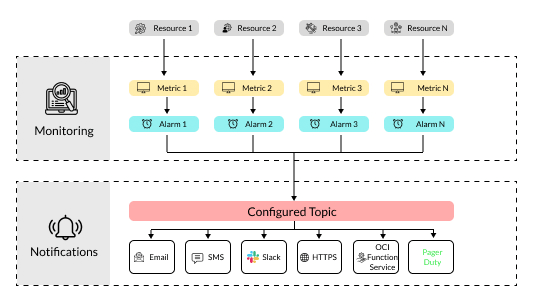
Oracle Cloud provides excellent monitoring and alarm systems to track infrastructure health. But monitoring tells you something broke. Oracle testing tells you why it broke and helps you catch it before it does.
On-Premise Testing Simply Does Not Scale
Running tests on local machines across different browsers and devices is expensive, slow, and incomplete. You cannot realistically own every device, every OS version, and every browser configuration your users might have. That is exactly why cloud-based Oracle application testing platforms exist.
Costs Add Up Fast Without Automation
All the complexity above accumulates to a high cost when managed on-premise. Hiring a full-time team just to maintain a test environment for Oracle applications is not viable for most businesses. Cloud-based Oracle testing platforms like TestMu AI give you that coverage at a fraction of the cost.
The Need for Oracle Cloud in Application Development
According to Gartner's latest DBMS Market Share analysis shows that AWS, Microsoft, Oracle, Google Cloud Platform, and IBM have held the top five positions in database revenue since 2022, with Oracle remaining one of the most deeply embedded database vendors across enterprise workloads.
Beyond databases, Oracle Cloud gives development teams a complete platform to build production-grade applications. Here is what makes it worth using and what makes Oracle application testing so important.

High Performance Infrastructure
Oracle's infrastructure has scaled significantly in recent years. OCI's Supercluster now supports up to 65,536 NVIDIA H200 GPUs delivering 260 ExaFLOPS of peak performance, with GPU-to-GPU interconnects running at 400 Gbps across racks. Oracle and AMD are also deploying 50,000 AMD Instinct MI450 GPUs on OCI. The higher the performance of your infrastructure, the more thorough your Oracle testing strategy needs to be to match it.
Database Driven by Design
Oracle's database layer has evolved well beyond a single cloud. Oracle AI Database 26ai now runs natively across OCI, AWS, Azure, and Google Cloud. That multicloud reach means Oracle application testing must cover not just the front-end experience but the data flows and integration points across every environment your stack touches.
Next-Generation Data Transfer Facilities
OCI storage is built for scale and speed. It shatters the million IOPS barrier for high-performance workloads, offers automated lifecycle management for compliance, and is priced at up to 50x less than other cloud providers. For teams running data-intensive Oracle applications, that directly impacts how efficiently you can test across environments.
Lower Costs Than Counterparts
OCI consistently undercuts AWS and Azure on core services. OCI compute is 57% cheaper than equivalent AWS EC2 instances, block storage is 78% cheaper than AWS EBS, and data Aegress is 13x cheaper. For teams running Oracle application testing alongside active development, that cost advantage means more room in your budget for proper testing coverage.
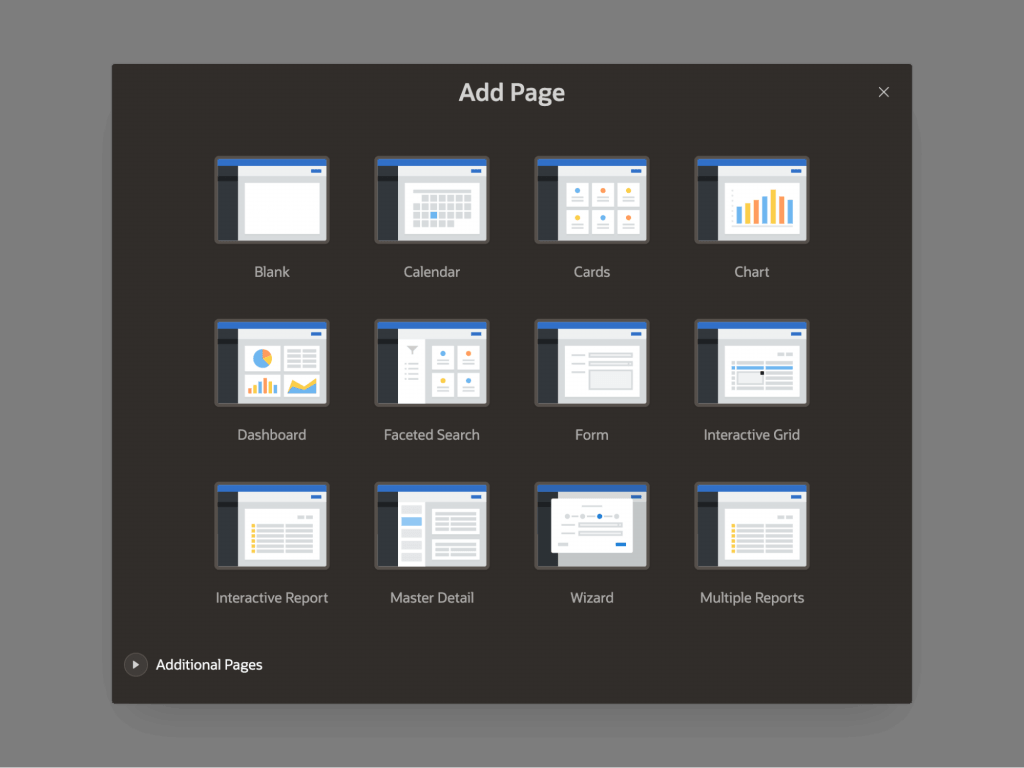
Low Code Development
Oracle's low code environment lets teams build apps through drag-and-drop interfaces, reducing coding overhead and getting products to market faster. This also means that testing Oracle applications built via low code requires attention to responsive design and cross-browser rendering, areas where KaneAI by TestMu AI helps teams author and execute tests intelligently without writing a single line of code.
CI/CD Integrated Out of the Box
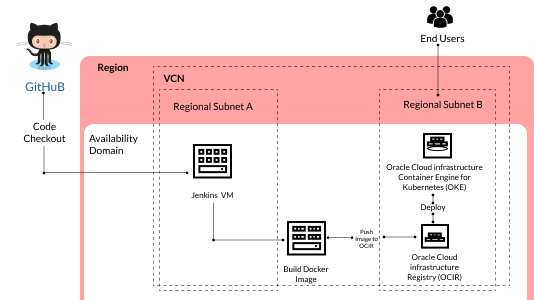
Oracle Cloud ships with a native CI/CD pipeline using GitHub, Jenkins, and Kubernetes. The moment a build is pushed to your repo, the pipeline runs automatically. This is where plugging TestMu AI's KaneAI into the Oracle testing pipeline creates the most value, automated cross-browser tests running on every build push, with zero manual intervention.
KaneAI by TestMu AI, you get AI-native test authoring built directly into that pipeline. With KaneAI PR Validate feature, you can trigger a full testing cycle directly from your GitHub pull request by simply commenting @KaneAI Validate this PR.
KaneAI then analyzes your code diff and PR context, generates test cases from actual business logic, runs them in parallel across browsers and devices, and posts results with root cause analysis and an approval recommendation directly in the PR, before a single line merges into your Oracle environment.
Monitoring and Analytics Built In
OCI's observability platform now covers complete stack monitoring with real user experience tracking, synthetic monitoring, distributed tracing, and anomaly detection with alerts delivered via Slack, PagerDuty, and email. Infrastructure monitoring tells you when something breaks. But it does not tell you whether your application renders correctly on a mid-range Android device or fails silently on Safari. That is a testing problem, not a monitoring one, and it sits squarely in TestMu AI's domain.
Oracle also supports machine learning and AI-based development, containerized services, and a growing multicloud presence across AWS, Azure, and Google Cloud. Infrastructure monitoring tracks your servers. KaneAI validates what your users actually experience, and those are two very different conversations.

TestMu AI vs Oracle Application Testing Suite: What Is the Actual Difference?
OATS is built specifically for Oracle enterprise apps like EBS and Fusion, while TestMu AI covers any Oracle Cloud web or mobile app across 3000+ browsers, real devices, and AI-powered automation.
OATS is tightly tied to Oracle's own product ecosystem, purpose-built for teams working directly within Oracle enterprise software like EBS or Fusion. For teams building web or mobile applications on Oracle Cloud that go beyond that ecosystem, a broader testing platform becomes necessary.
Here is how the two compare across the areas that matter most for Oracle application testing:
| Capability | TestMu AI | Oracle Application Testing Suite |
|---|---|---|
| Browser Coverage | 3000+ real browsers and OS combinations | Limited to Oracle-supported environments |
| Real Device Testing | Yes -- Android and iOS real devices | Primarily desktop-focused |
| Cloud-Native | Fully cloud-based, no setup needed | Primarily on-premise |
| CI/CD Integration | Jenkins, GitHub Actions, CircleCI, and more | Oracle-specific pipelines only |
| Cross-Platform Support | Web, mobile (Android and iOS), desktop | Oracle enterprise apps only |
| AI-Powered Testing | Yes | No |
If your team is testing Oracle E-Business Suite or Oracle Fusion directly, OATS covers some Oracle-specific regression needs. But for comprehensive cross-browser testing, mobile coverage, and modern CI/CD pipelines across any web or mobile app hosted on Oracle Cloud, TestMu AI gives you the breadth, device coverage, and automation depth to remove those blockers and ship with confidence.
Testing Oracle Applications with TestMu AI
TestMu AI is a Full Stack Agentic AI platform that tests Oracle Cloud apps across real browsers, devices, and OS combinations, with AI agents handling planning, execution, and analysis.
TestMu AI (formerly LambdaTest) is built for teams testing Oracle Cloud applications at scale. Its end-to-end AI agents handle everything from test planning and authoring to execution and analysis, so your team spends less time maintaining scripts and more time shipping.
Whether you are validating an Oracle-hosted web app across browsers, running regression on a mobile app built on Oracle Cloud, or testing enterprise workflows end to end, TestMu AI covers it across real devices, real browsers, and real-world environments without any local infrastructure.
Performing Oracle Testing With KaneAI
Oracle Cloud pushes quarterly updates on a fixed schedule. Every update is a potential regression risk, and manually rewriting test scripts after each one is not sustainable. How much of your suite breaks each quarter often comes down to ERP configuration vs customization decisions, since custom code is far more likely to break on update than configured settings. KaneAI solves that problem at the root.
KaneAI is TestMu AI’s GenAI native testing agent. You describe what you want to test in plain language, and KaneAI generates, executes, and maintains the test for you.
When it comes to Oracle testing with KaneAI, teams can move away from writing and maintaining complex test scripts for Oracle Cloud applications. Instead, they can define user journeys such as logins, transactions, and integrations in simple language, and let KaneAI handle execution and updates.
Oracle testing with KaneAI also enables consistent validation across browsers, devices, and real world environments. This ensures that Oracle based applications continue to perform reliably as they scale and evolve, without adding manual QA overhead.
Here are some of the key capabilities that make KaneAI one of the most effective AI testing tools for Oracle application testing:
- Natural Language Test Authoring - Write your Oracle test scenarios the way you would explain them to a colleague. It converts intent into executable tests without you writing a single line of Selenium or Playwright code.
- Self-healing Tests - When an Oracle quarterly update shifts a UI element or changes a form field, KaneAI detects the change and updates the test automatically, so your regression suite stays intact without manual intervention.
- Parallel Execution Across Environments - KaneAI runs your Oracle tests across 3000+ real browser and OS combinations simultaneously, cutting down a multi-hour regression cycle to minutes.
- End-to-end Coverage Testing - From Oracle-hosted web apps to mobile applications built on Oracle Cloud, KaneAI covers UI, API, and database layers in a single test flow.
KanePR Validate for Oracle CI/CD
Every Oracle Cloud build flows through GitHub. With KanePR Validate, you do not need to wait for a scheduled regression run to know whether a change broke something.
Simply comment @KaneAI Validate this PR on any pull request and KaneAI analyzes the code diff, generates test cases from actual business logic, runs them in parallel across browsers and devices, and posts the results with root cause analysis and an approval recommendation directly in the PR.
No context switching, no manual trigger, no surprises reaching your Oracle production environment. Just continuous, intelligent testing that keeps up with your Oracle Cloud development cycle. Watch KanePR Validate in action:
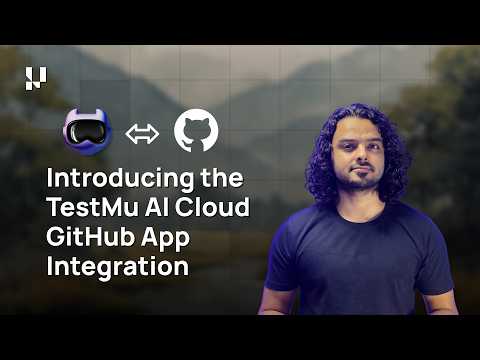
Your pull requests should deliver proof, not just code, follow this support documention on TestMu AI Cloud GitHub App Integration with KaneAI, and get that confidence in every merge to your Oracle environment.
Real Device and Browser Coverage for Oracle Testing
KaneAI runs on TestMu AI's cloud infrastructure, which means every test executes on real browsers, real devices, and real operating systems. For Oracle mobile applications built on Oracle Cloud, you get access to physical Android and iOS devices hosted in the cloud.
With iOS real device testing and Android device coverage, touch behavior, hardware-specific rendering, and network conditions are tested exactly as your users would experience them.
Testing with emulators and simulators:
Understanding the difference between emulator vs simulator helps you choose the right path for your Oracle app testing stage.
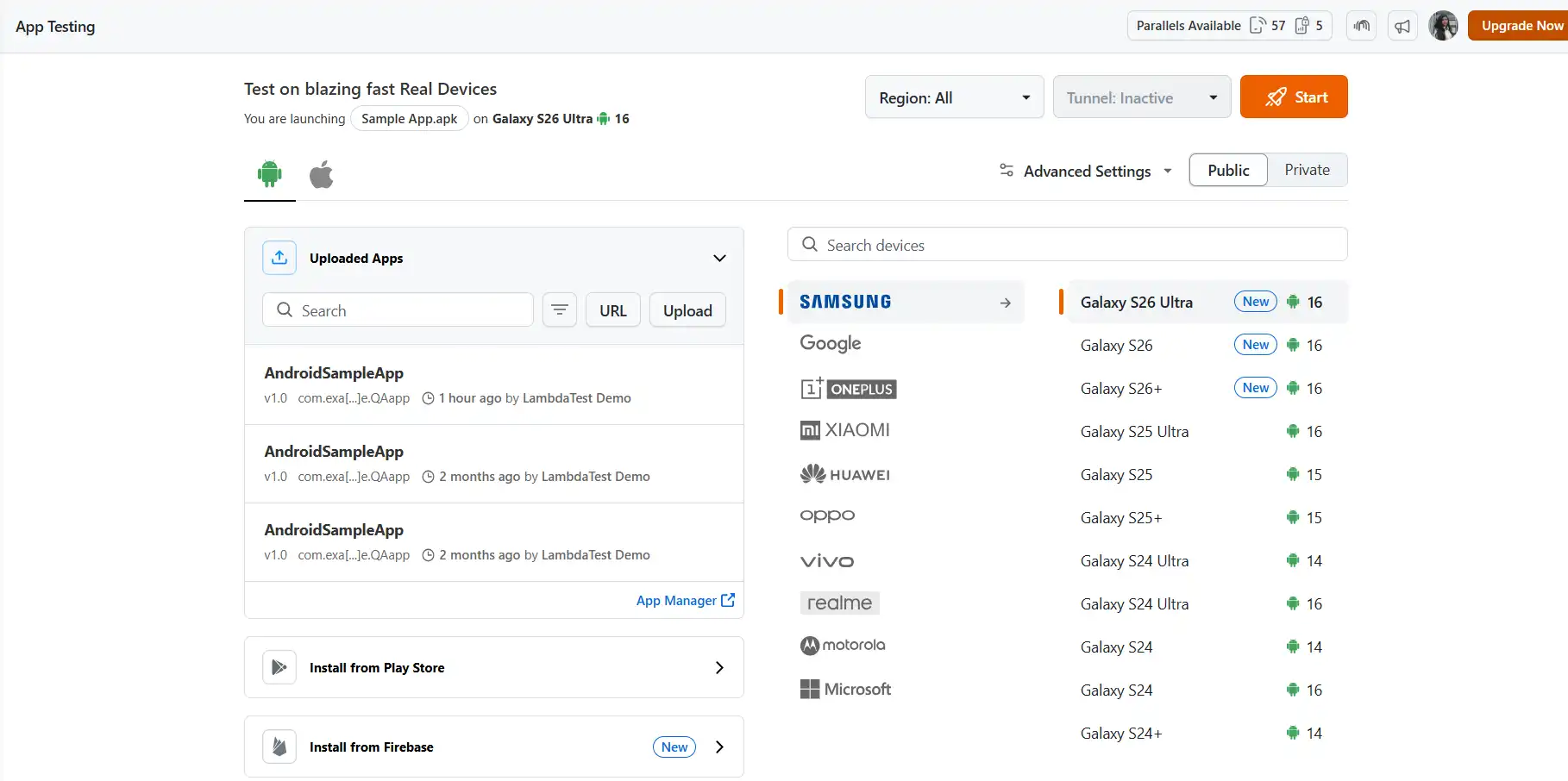
- App Testing - Visit Real Time Testing and select App Testing from the available options.
- Upload and Configure - Upload your application binary, select the target device and OS version, and run the app on the selected environment.
Testing on real devices:
- Real Device section - Go to Real Device and select either Real Time for manual testing or App Automation for automated Oracle testing via integrations like Appium.
- Real Time choice - Select Real Time for this demo, then choose the target device and OS version to install the application on a real device in the cloud.
- End-user interaction - Interact with the application exactly as a real user would, testing touch, navigation, forms, and any Oracle-connected functionality.
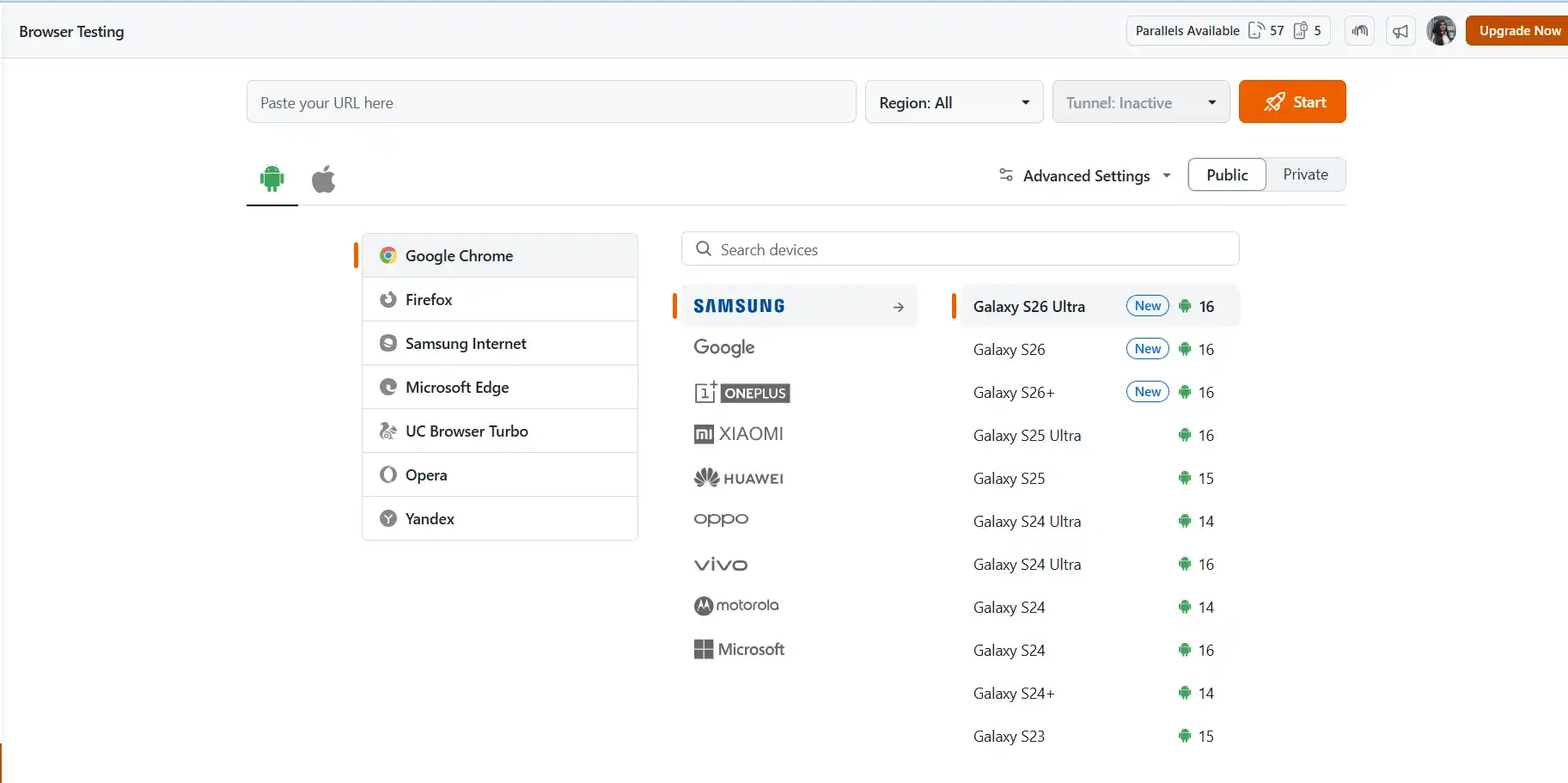
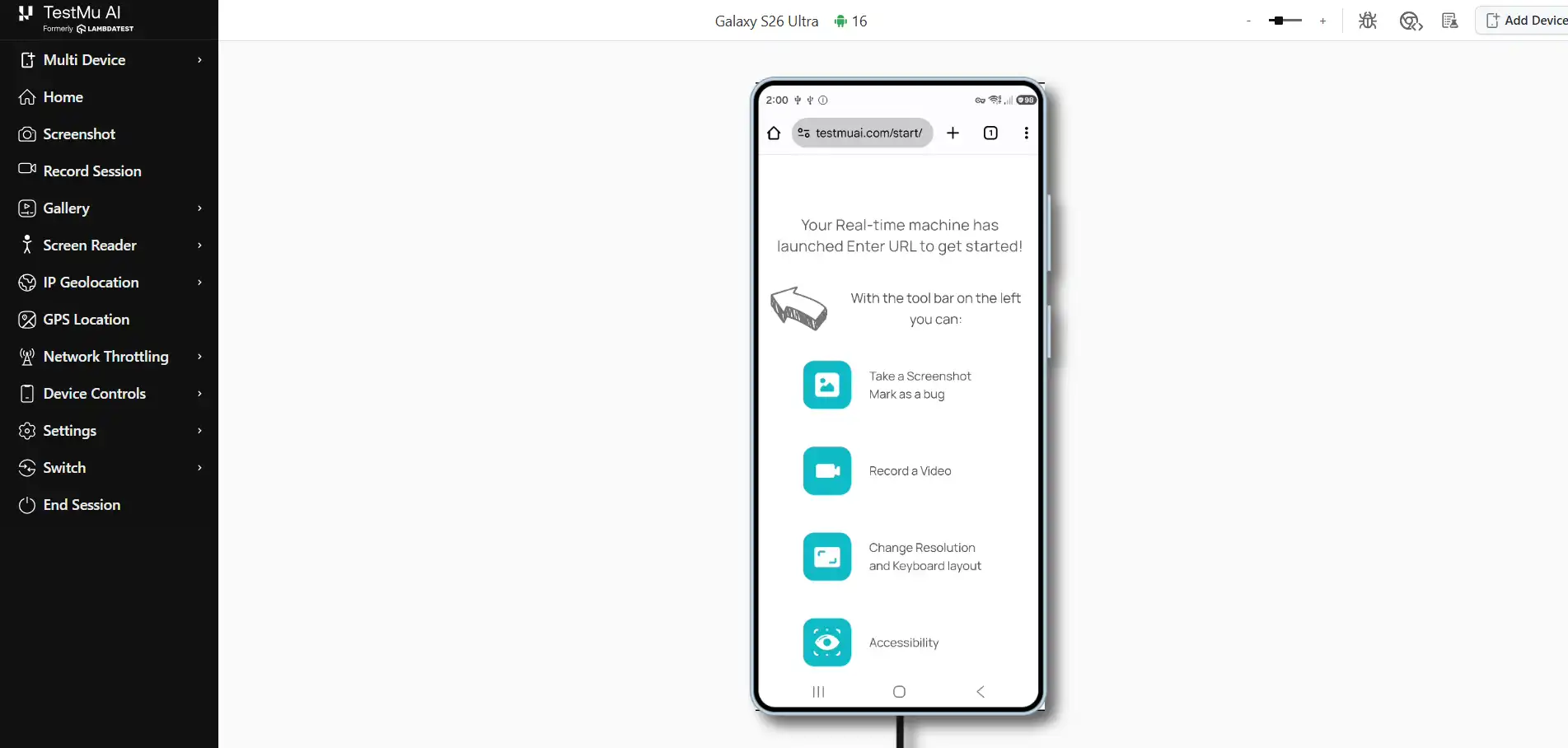
TestMu AI allows you to perform Oracle testing on a real device cloud with real browsers and operating systems. Here is how real-time testing on real devices works:

TestMu AI also supports testing unpublished websites via a secure tunnel for local host testing. With Oracle Cloud, you typically get a public IP along with your VM , so you may not need the tunnel. But it is available when you do.
Conclusion
Oracle Cloud is one of the most powerful -- and underrated -- cloud platforms available today. It combines world-class database technology with modern cloud infrastructure, low code development, built-in CI/CD, and competitive pricing claimed to be 61% cheaper than AWS. But building an app on Oracle Cloud is only half the job. The other half is making sure that app works correctly for every user, on every browser, on every device.
While Oracle offers its own testing tool in the Oracle Application Testing Suite, TestMu AI delivers a far broader and more modern Oracle testing experience, spanning 3000+ browsers and OS combinations, real device cloud, mobile app testing, and seamless CI/CD integrations. Whether you are a QA engineer, developer, or DevOps engineer working with Oracle Cloud, the combination of Oracle's infrastructure and TestMu AI's testing platform gives you everything you need to ship with confidence.
Happy Testing!
Author

Saniya Gazala
Blogs: 46


Saniya Gazala is a Product Marketing Manager and Community Evangelist at TestMu AI with 2+ years of experience in software QA, manual testing, and automation adoption. She holds a B.Tech in Computer Science Engineering. At TestMu AI, she leads content strategy, community growth, and test automation initiatives, having managed a 5-member team and contributed to certification programs using Selenium, Cypress, Playwright, Appium, and KaneAI. Saniya has authored 15+ articles on QA and holds certifications in Automation Testing, Six Sigma Yellow Belt, Microsoft Power BI, and multiple automation tools. She also crafted hands-on problem statements for Appium and Espresso. Her work blends detailed execution with a strategic focus on impact, learning, and long-term community value.
Reviewer

Saurabh Prakash
Reviewer
Saurabh Prakash is an Engineering Manager at TestMu AI (formerly LambdaTest), where he leads engineering on agentic AI development and scalable system architecture for the quality engineering platform. He has also contributed to Test at Scale, the company's open-source test intelligence platform. He brings over 9 years of experience across Node.js, Java, Spring, MVC, data structures, algorithms, and scalable system design, with earlier roles as SDE 2 at Zomato, Senior Software Engineer at LogicHub, and Software Development Engineer at Directi. Saurabh holds a B.Tech in Computer Science and Engineering from Delhi Technological University.


Frequently asked questions on Oracle Testing
Did you find this page helpful?
More Related Blogs
TestMu AI forEnterprise
Get access to solutions built on Enterprise
grade security, privacy, & compliance
- Advanced access controls
- Advanced data retention rules
- Advanced Local Testing
- Premium Support options
- Early access to beta features
- Private Slack Channel
- Unlimited Manual Accessibility DevTools Tests