

Next-Gen App & Browser Testing Cloud
Trusted by 2 Mn+ QAs & Devs to accelerate their release cycles


Top 13 Shell Scripting and Unix Books for Beginners
Learn System Management, Automation, and Programming with these Shell Scripting & Unix books for beginners.

Supriya Singh
December 19, 2025
There can be many ways to learn anything new. Depending on the requirement, one can follow blogs, go for online tutorials, invest time in courses and classes, or sit with a well-written book. The traditional learning method through books is still considered one of the most effective. Since Unix’s inception in 1960, the language has evolved constantly. Learning Unix, especially for mobile development and server environment management, is beneficial since it builds up the base for system and environment management.
This blog recommends the best shell scripting and Unix books for learning. Whether you are a beginner or an experienced developer, these unix books are valuable and practical. Let’s dive right in.
What is UNIX and Shell Scripting?
Unix is an umbrella term that represents a family of operating systems that are all very similar and primarily based on the technologies of the original AT&T Unix. Unix is used in various technologies and operating systems like Linux and macOS.
A shell script is a set of instructions crafted to be executed by a Unix shell, which serves as a command-line interpreter. Common tasks carried out by shell scripts involve handling files, running programs, and generating text output. Essentially, they provide a streamlined way to automate diverse operations within the Unix environment. Unix shell script is used to automate time-consuming, repetitive tasks, eliminating the need to execute commands line by line at a time.
Top 13 Shell Scripting and UNIX Books for Beginners
Getting started with shell scripting and UNIX can be both exciting and challenging for beginners. The learning curve may seem daunting, but it promises rewarding skills in system administration and automation. With this hand-picked list of 13 top books, beginners will get a comprehensive look and an enjoyable learning experience in shell scripting and UNIX basics.
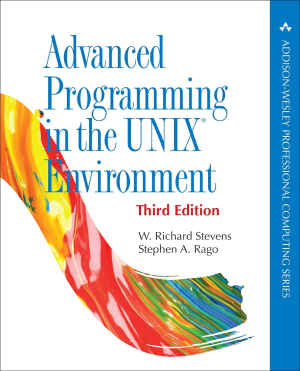
Advanced Programming in the UNIX Environment – by W. Stevens, Stephen Rago
“Advanced Programming in the UNIX Environment” by W. Stevens and Stephen Rago is one of the best-selling books available for learning UNIX in the market. The book was written nearly three decades ago when Unix was initially developed and is considered a timeless classic Unix book for developers. For beginners, this book has some remarkable features that help them develop their concepts in the UNIX language.
Some top features are:
- Examples of practical code with line-by-line explanation.
- Graphical illustrations that make you understand how different processes work.
- Different editions of the book are released, each updated with the latest tutorials according to the version change of the Unix operating system.
Filled with examples, case studies, and access to thousands of lines of downloadable code, Advanced Programming in the UNIX Environment has helped generations of programmers learn and write code with exceptional power, performance, and reliability.
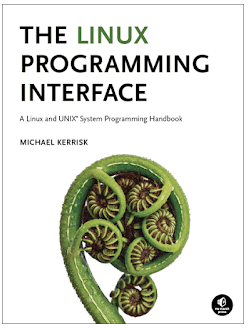
The Linux Programming Interface – by Michael Kerrisk
“The Linux Programming Interface” (TLPI) by Michael Kerrisk book is the definitive guide to the Linux and UNIX programming interface—the interface employed by nearly every application that runs on a Linux or UNIX system. The book is one of the most comprehensive single-volume works on the Linux and UNIX programming interface, and it’s destined to become a new classic.
Some top features are:
- Detailed descriptions of the system call and library functions.
- Detailed information on signals, clocks, and timers in Linux.
- Detailed explanation of the Linux interface that is behind the application development.
This Unix book allows beginners to efficiently create and execute processes with clear, detailed explanations and complete example programs. A reader can find sample codes of every basic concept used in Linux.
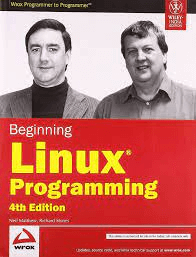
Beginning Linux Programming – by Neil Matthew, Richard Stones
“Beginning Linux Programming” by Neil Matthew and Richard Stones is an easy-to-use guide to developing programs for LINUX and other Unix-style operating systems. The current fourth edition continues its unique approach to teaching UNIX programming in a simple and structured way on the Linux platform.
Some top features are:
- Detailed and extensive code samples throughout.
- Introduces essential Unix programming concepts in C, covering system calls, file I/O, interprocess communication, and shell programming step-by-step.
- Introduces the toolkits and libraries for working with user interfaces, from simpler terminal mode applications to X and GTK+ for graphical user interfaces.
- Advanced topics are covered in detail, such as processes, pipes, semaphores, socket programming, using MySQL, writing applications for the GNOME or the KDE desktop, writing device drivers, POSIX Threads, and kernel programming for the latest Linux Kernel.
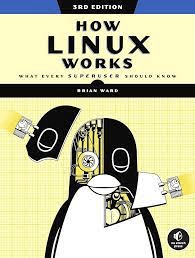
How Linux Works – by Brian Ward
“How Linux Works” (Third Edition) by Brian Ward book is one of the best-selling Unix books in Linux & Unix Programming. In this Unix book, the author, Brian Ward, peels back the layers of this well-loved operating system to make Linux internals accessible. This edition has been thoroughly updated and expanded with added coverage of Logical Volume Manager (LVM), virtualization, and containers.
Some top features are:
- How Linux boots, from boot loaders to init (systemd)
- How the kernel manages devices, device drivers, and processes
- How networking, interfaces, firewalls, and servers work
- How development tools work and relate to shared libraries
- How to write effective shell scripts
The author provides a combination of background, theory, real-world examples, and thorough explanations, as well as information to explore the kernel and examine critical system tasks inside user-space processes, including system calls, input and output, and filesystem maintenance.
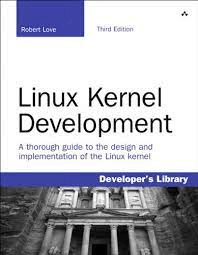
Linux Kernel Development – by Robert Love
“Linux Kernel Development” by Robert Love provides a comprehensive exploration of the design and implementation of the Linux kernel, offering valuable insights for both kernel developers and programmers aiming to enhance their understanding of operating systems. Written by a core kernel developer, the book covers major subsystems and features, addressing practical and theoretical aspects. Process management, scheduling, time management, system calls, memory management, kernel synchronization, and debugging techniques are some of the specific topics covered.
Some top features are:
- The book delves into the Linux 2.6 kernel’s most compelling features, such as the Completely Fair Scheduler (CFS), preemptive kernel, block I/O layer, and I/O schedulers.
- The book delves into the complexities of memory management in the Linux kernel, covering virtual memory, page caching, page allocation, and memory fragmentation.
- The book equips readers with valuable debugging techniques and problem-solving skills essential for kernel development.
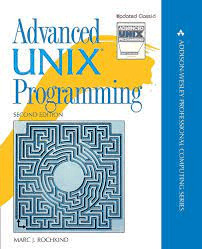
Advanced Unix Programming – by Marc Rochkind
“Advanced Unix Programming” by Marc Rochkind was first written in 1985 and is considered one of the must-have Unix books for Unix programmers. The second edition of the book was released in 2004, providing UNIX programmers with a comprehensive and in-depth guide in a single volume. This edition covers the essential system-level services offered by the UNIX family of operating systems, now including Linux, FreeBSD, and the Mac OS X kernel (Darwin).
Some top features are:
- It covers advanced topics like interprocess communication, networking (sockets), pseudo terminals, asynchronous I/O, advanced signals, real-time, and threads in detail.
- It covers the system calls you’ll use and reduces hundreds of improperly implemented, obsolete, and otherwise unnecessary system calls.
- Include extensive example code, incorporating elements like a web browser, server, keystroke recorder/player, and a shell with pipelines, redirection, and background processes.
- Practical tips for ensuring portability, avoiding pitfalls, and more.
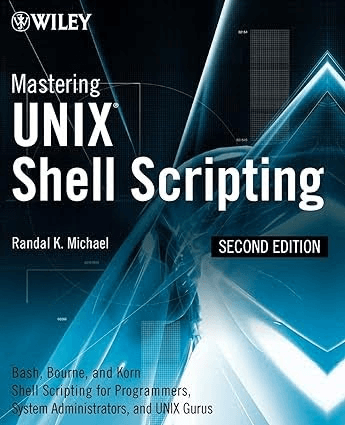
Mastering Unix Shell Scripting -by Randal K. Michael
“Mastering Unix Shell Scripting” by Randal K. Michael serves as a guide in writing shell scripts for task automation. The Unix book takes a hands-on approach by presenting everyday UNIX challenges at the beginning of each chapter. It then walks through the process of transforming basic syntax into effective shell scripting solutions. With Michael’s guidance, developers not only grasp the intricacies of shell scripting but also acquire the skills to tackle practical issues in system management.
Some top features are:
- The book empowers developers to create tools for monitoring system events.
- It includes a lot of practical and real-world shell scripting examples
- This book focuses on mastering Unix shell scripting for effective system management.
- It guides on how to filter the commands’ output to strip out unnecessary data.
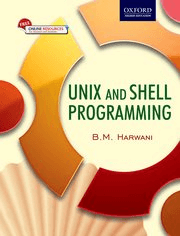
UNIX & Shell Programming – by B.M. Harwani
“UNIX & Shell Programming” by B.M. Harwani is a purpose-built textbook catering to all tech enthusiasts around the world. This book begins with an overview of operating systems and examines what makes Unix unique. This Unix book covers essential topics like managing files, commonly used commands, file systems, and compression techniques. It also includes discussions on processes, signals, the vi editor, system calls, and AWK scripting. The final chapters address debugging and system development, language development, text-formatting tools, interprocess communication, and system administration.
Some top features are:
- Adopts a bottom-up approach, gradually navigating from simple to large, complex, and critical commands and concepts.
- Devotes specific chapters to the three shells—Bourne, Korn, and C.
- Includes an extensive collection of approximately 1000 solved examples for hands-on practice of Unix commands and scripts.
- Offers over 900 chapter-end exercises comprising objective-type questions, review questions, programming exercises, and brain teasers.
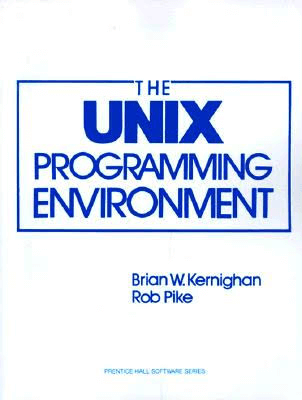
The Unix Programming Environment – by Brian W. Kernighan, Rob Pike
“The Unix Programming Environment” by Kernighan and Pike covers concepts like Grep, Sed, and AWK, emphasizing shell programming. It explores essential file system topics, directory permissions, and terminal printing nuances. Kernighan’s accessible writing style shines, with a notable chapter on program development. Chapters on filters and the file system are noteworthy, offering insights into Grep, Sed, AWK, and essential file system topics.
Some top features are:
- The examples provided in the book are entirely real-world examples. Some are still in use at places like airlines and banks.
- Brian W. Kernighan’s signature writing style shines through, making the content accessible and engaging.
- All the examples provided in the book have been verified for correctness and functionality directly from the text itself.
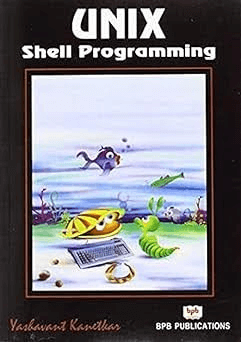
Unix Shell Programming – by Yashavant Kanetkar
“Unix Shell Programming” – by Yashavant Kanetkar is available in two parts. In the first part, the book serves as a guide for the Unix System, focusing on imparting an understanding of the underlying philosophy behind numerous Unix commands. The second part delves into the intricate domains of Shell Programming and System Administration. Here, readers comprehensively examine various facets of Bourne Shell Programming. The writer carefully explains the complexities of Shell Programming, providing a closer look at the details of managing systems in the Unix environment.
Some top features are:
- The book ensures a practical understanding of Unix commands while delving into their conceptual framework.
- Provides a detailed coverage of several aspects of Bourne Shell Programming.
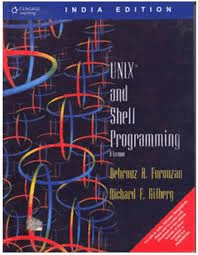
UNIX and Shell Programming – by Behrouz A. Forouzan and Richard F. Gilberg
“UNIX and Shell Programming” by Behrouz A. Forouzan and Richard F. Gilberg is one of the first Unix books designed to teach how to use the UNIX operating system. It suits various UNIX-based courses and goes beyond mere command listings, guiding readers through basic commands and shell programming. Forouzan and Gilberg start by introducing students to UNIX’s essential commands and tools. They cover all the crucial concepts for understanding shell scripting, including Regular Expressions, grep, sed, and awk. After that, they dive into specifics about the Korn, C, and Bourne shells. It’s a step-by-step journey to help you understand and use these powerful tools.
Some top features are:
- This book has a rich visual presentation like colorful texts and images that make learning interactive, especially for University students.
- The book discusses multiple commands for Unix and Shell programming.
- Each chapter contains appropriate problems and lab sessions that learners can follow and complete sessions step-by-step.
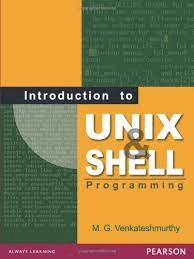
Introduction to Unix and Shell Programming – by M. G. Venkateshmurthy
“Introduction to Unix and Shell Programming” by M. G. Venkateshmurthy is a foundational Unix book for those new to Unix. With its structured approach across twelve chapters, the book introduces the Unix Operating System and progresses through various topics, including different types of editors. The content delves into the intricacies of Shell and Perl programming, providing a comprehensive understanding. The book concludes with an in-depth discussion of Unix system administration.
Some top features are:
- The book includes a discussion on AWK scripts and C-style programming language.
- Various types of editors, such as ed, en, vi, vim, and emacs, are discussed.
- Shell programming is discussed in detail, providing readers with a solid foundation in Unix.
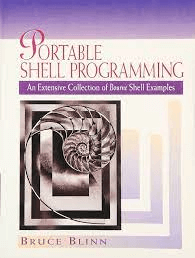
Portable Shell Programming: An Extensive Collection of Bourne Shell Examples – by Bruce Blinn
“Portable Shell Programming: An Extensive Collection of Bourne Shell Examples” by Bruce Blinn is a comprehensive guide demonstrating how to leverage the shell as a programming language rather than just a command interpreter. This Unix book covers essential topics such as shell syntax, ensuring portability across various UNIX systems, and utilizing shell scripts for tasks like handling signals or executing commands remotely. The guide also delves into the intricacies of the shell’s redirection syntaxes.
Some top features are:
- The book emphasizes using the shell as a programming language, offering readers the opportunity to write effective shell scripts.
- It covers essential shell syntax, enabling readers to write robust and efficient shell scripts.
- The book explores using shell scripts to manage(catch or ignore) signals.
More Recommendations
Listed below are some other recommended Unix books and resources for programmers to get started with Unix and Shell scripting:
- The Linux Command Line: A Complete Introduction by William E. Shotts Jr.
- Unix and Linux System Administration Handbook by Evi Nemeth, Garth Snyder, Trent R. Hein, Ben Whaley, and Dan Mackin.
- Classic Shell Scripting by Arnold Robbins and Nelson H.F. Beebe
- Linux Shell Scripting Cookbook by Shantanu Tushar and Sarath Lakshman
- Expert Shell Scripting by Ron Peters
Conclusion
In conclusion, the curated list includes essential books for people who want to learn about Unix and shell scripting. These books are helpful for both beginners and experienced developers. Reading these books can help tech enthusiasts understand how Unix systems work, including tasks like managing files, handling processes, and programming in the shell. The books also include practical examples, case studies, and exercises to help you learn.
Last but not least guide like operating system interview questions can also help in understanding unix and shell scripting it can provide a solid foundation for various operating system concepts.


Frequently asked questions
Did you find this page helpful?
More Related Hubs
TestMu AI forEnterprise
Get access to solutions built on Enterprise
grade security, privacy, & compliance
- Advanced access controls
- Advanced data retention rules
- Advanced Local Testing
- Premium Support options
- Early access to beta features
- Private Slack Channel
- Unlimited Manual Accessibility DevTools Tests