

Next-Gen App & Browser Testing Cloud
Trusted by 2 Mn+ QAs & Devs to accelerate their release cycles


On This Page
- What Is a Cloud Service Provider?
- List of Top Cloud Service Providers
- TestMu AI
- Amazon Web Services (AWS)
- Microsoft Azure
- Google Cloud Platform (GCP)
- IBM Cloud
- Oracle Cloud Infrastructure
- Alibaba Cloud
- Salesforce
- SAP Cloud Platform
- DigitalOcean
- VMware Cloud
- Rackspace Technology
- Tencent Cloud
- Hewlett Packard Enterprise (HPE) GreenLake
- Adobe Cloud Platform
- NetApp Cloud Services
- Red Hat OpenShift
- How to Choose the Best Cloud Service Provider?

What Are Cloud Service Providers: Top 17 Tools to Choose From [2026]
Discover the top 17 cloud service providers of 2026! Compare AWS, Azure, TestMu AI & more to find the best fit for your business in AI, security & scalability.

Saniya Gazala
February 11, 2026
Various industries have different requirements when it comes to performance, security, and scalability, and cloud service providers have continually evolved to keep up with these needs. With the advancement of technology, cloud service providers now offer businesses more advanced options such as AI integration, multi-cloud functionality, and edge computing.
Overview
Cloud Service Providers (CSPs) are companies that deliver IT resources such as servers, storage, and applications over the Internet. They help businesses scale on demand while reducing the need for on-premise infrastructure.
Top Cloud Service Providers
- TestMu AI: AI-native cloud testing platform enabling scalable, reliable web and mobile application testing.
- Amazon Web Services (AWS): Leading global provider offering scalable infrastructure, AI/ML services, storage, and hybrid solutions.
- Microsoft Azure: Enterprise-focused cloud platform integrating Microsoft ecosystem with AI, compliance, DevOps, and quantum.
- Google Cloud Platform (GCP): Data-driven cloud provider excelling in AI, analytics, multi-cloud, sustainability, and security.
- IBM Cloud: Hybrid cloud provider delivering AI, blockchain, quantum computing, compliance, and industry-specific services.
- Oracle Cloud Infrastructure (OCI): Enterprise-ready cloud platform featuring autonomous databases, AI analytics, SaaS, and strong security.
- Alibaba Cloud: Asia-Pacific leader offering elastic computing, AI-powered applications, hybrid backup, and compliance.
- Salesforce: Cloud-based CRM leader unifying customer data with AI-driven insights and automation.
- SAP Cloud Platform (SCP): Business technology platform enabling digital transformation, multi-cloud, AI insights, and compliance.
- DigitalOcean: Developer-friendly cloud platform offering affordable pricing, scalable droplets, and seamless DevOps integration.
What Is a Cloud Service Provider?
A Cloud Service Provider (CSP) is an organization or vendor that delivers cloud-based computing resources and services, such as applications, storage, networking, AI-powered tools, databases, and processing power, over the Internet.
Instead of investing in and managing costly on-premises infrastructure, organizations can rely on CSPs for flexible, scalable, and cost-efficient solutions.
These services are typically billed on a pay-as-you-go or subscription basis, allowing businesses to scale up or down based on demand.
CSPs are generally categorized into three main service models:
- SaaS (Software as a Service): Ready-to-use software applications hosted by the provider and accessed through a browser. Common examples include Gmail, Salesforce, or Microsoft 365. Businesses use SaaS to streamline operations without worrying about installation, updates, or maintenance.
- PaaS (Platform as a Service): A complete development and deployment environment offered on the cloud. It provides developers with frameworks, tools, and infrastructure to build, test, and deploy applications efficiently. Examples include Google App Engine and Heroku.
- IaaS (Infrastructure as a Service): Virtualized computing resources like servers, storage, and networking that give organizations more control over their IT environment while reducing physical hardware costs. Leading providers include AWS (Amazon Web Services), Microsoft Azure, and Google Cloud.
List of Top Cloud Service Providers
Here are some of the leading cloud service providers and their key features to help you choose the CSP that best fits your requirements.
1. TestMu AI
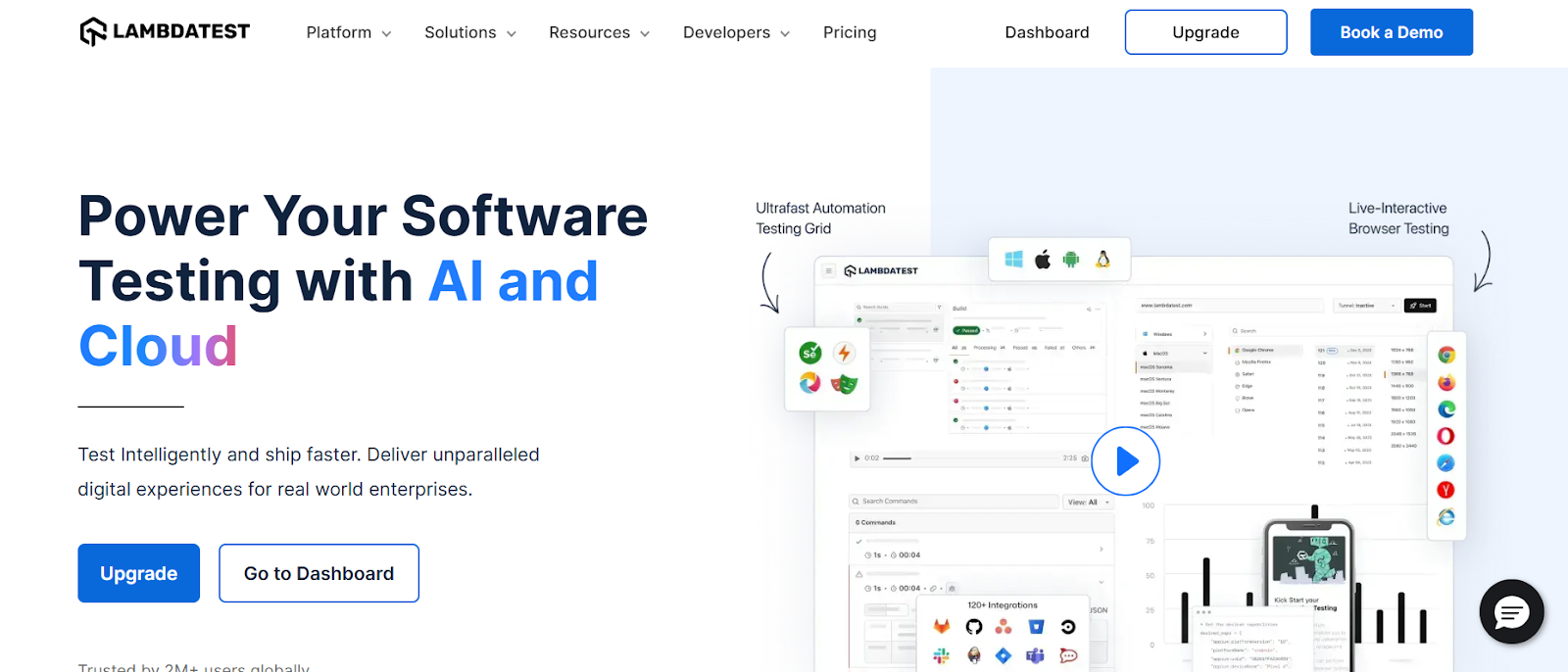
TestMu AI is a cloud testing platform that delivers scalable infrastructure for running manual and automated tests across 3,000+ browsers and operating systems. As a cloud service provider, it offers high availability, elastic scalability, and seamless integration with CI/CD pipelines, project management tools, and other cloud ecosystems, enabling organizations to streamline testing, accelerate releases, and reduce infrastructure overhead.
Key Features:
- Cross-Browser Testing: Test websites and apps on 3,000+ real desktop and mobile browser/OS combinations.
- KaneAI: Author and evolve end-to-end tests using natural language with AI assistance.
- Live Interactive Testing: Perform real-time manual testing and debugging in a cloud-hosted environment.
- Responsive Testing: Verify UI responsiveness across different screen sizes and viewports.
- Automated Screenshot Testing: With our visual comparison tool, generate full-page screenshots across browsers and resolutions to spot visual issues.
- Real Device Cloud: Access 10,000+ real iOS and Android devices, including latest and legacy models.
- Native App Testing: Run manual and automated tests on native, hybrid, and web apps directly on real devices.
- Advanced Device Features: Test biometric authentication, geolocation, network throttling, and locale variations.
- HyperExecute: AI-native test orchestration cloud with up to 70% faster execution and smart distribution.
- Flexible Framework Support: Run tests with 50+ frameworks and languages including Selenium, Cypress, Playwright, and Appium.
- Parallel Testing: Speed up test cycles by running tests simultaneously across environments.
- SmartUI (Visual Regression Testing): Detect visual differences with AI-powered screenshot comparison.
- AI-Driven Comparison: Filter out irrelevant UI changes and highlight meaningful regressions.
- PDF Comparison: Identify differences in text, layout, and graphics across PDF files.
- Test Intelligence: Use AI-driven analytics to categorize failures and find root causes quickly.
- CI/CD Integrations: Connect with 120+ tools like Jenkins, GitHub, GitLab, and Azure.
- TestMu AI Tunnel: Securely test locally hosted websites and apps on the cloud.
- Integrated Bug Tracking: Log and manage bugs directly into Jira, Asana, GitHub, and more.
2. Amazon Web Services (AWS)
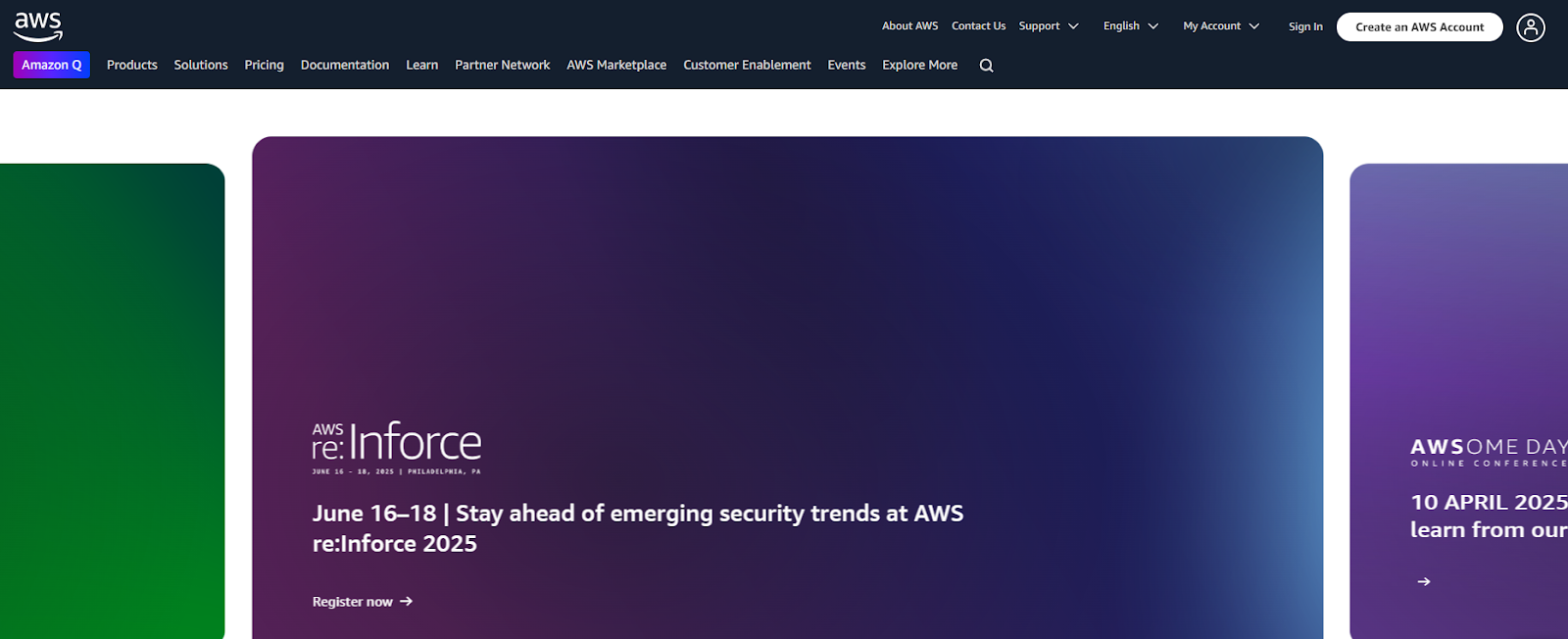
Everyone in the IT sector knows for a fact that Amazon Web Services (AWS) continues to be a dominant player in the cloud service provider arena. This cloud service provider offers a comprehensive suite of different cloud solutions across security, IoT, storage, AI, and computing. It offers a global network of data centers and availability zones. AWS provides scalable infrastructure suitable for both startups and established enterprises.
AWS has advanced its AI and ML capabilities. It provides Amazon SageMaker to construct, train and deploy machine learning models. Moreover, AWS adopts a security-first mentality with AWS Shield for DDoS protection, web security with AWS WAF, and IAM for identity management.
Key Features:
- Scalable infrastructure: Features a highly scalable global cloud infrastructure with high uptime.
- AI & ML services: Offers a comprehensive suite of AI and ML services.
- Low latency & hybrid solutions: Offers AWS Wavelength for ultra-low latency applications and AWS Outposts for hybrid cloud solutions.
- Data storage: Includes leading data storage solutions such as Amazon S3, Amazon S3 Glacier, and Amazon EFS.
- Next-gen applications: Supports next-gen applications through emerging technologies like quantum computing (Amazon Braket), blockchain (Amazon Managed Blockchain), and IoT (AWS IoT Core).
3. Microsoft Azure
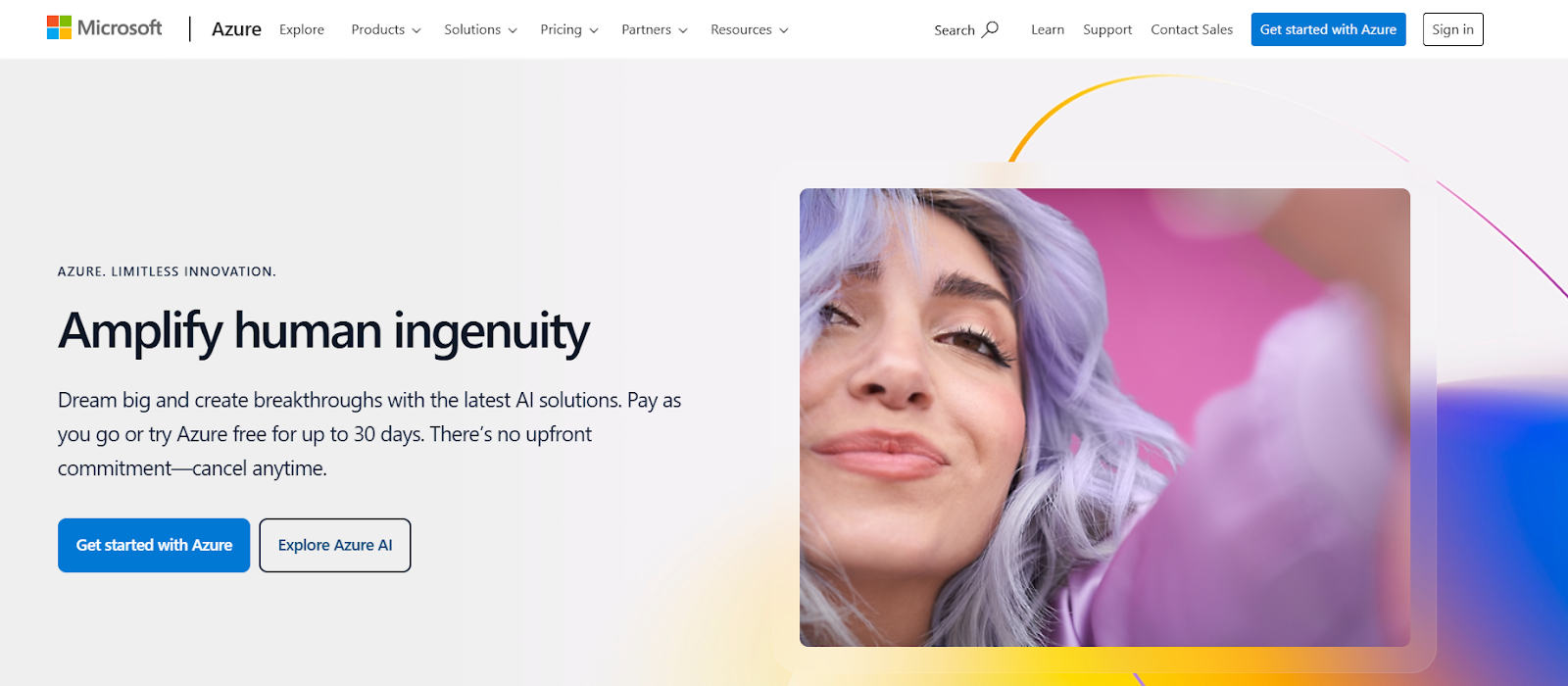
Microsoft Azure excels in AI-powered analytics and hybrid cloud integration, which seamlessly integrates with Dynamics 365, Office 365, Active Directory, and Windows servers to support enterprises that are already in Microsoft environments. Enterprises can get AI-powered business insights and enhanced customer service chatbots through intelligent automation.
In Azure, enterprises utilize analytics using Azure Synapse Analytics, Power BI, and Azure Data Lake Service, while comprehensive security and compliance capabilities enable privacy-sensitive sectors such as healthcare and finance to maintain stringent industry standards.
Key Features:
- Azure Quantum: promotes innovations in the field of quantum computing.
- Microsoft 365 Integration: facilitates deep integration with Microsoft 365 and other enterprise applications.
- Security Compliance: offers industry-level security compliance such as FedRAMP, HIPAA, and GDPR.
- DevOps & Containers: supports support for DevOps and containerized applications with Azure Kubernetes Service.
- Azure Cognitive Services: provides machine learning and artificial intelligence capabilities.
4. Google Cloud Platform (GCP)
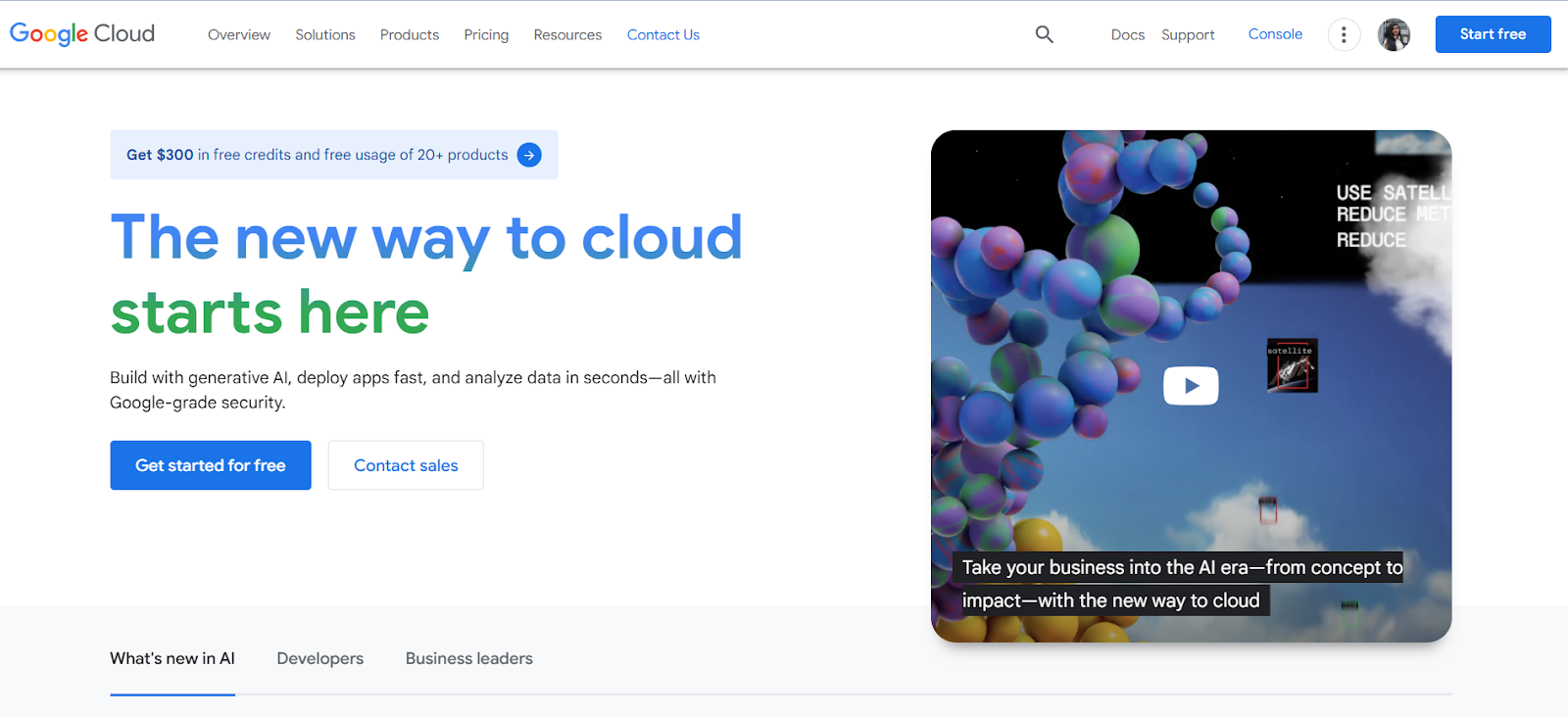
Due to its focus on large datasets and AI, Google Cloud Platform (GCP) is one of the best cloud service providers. With Vertex AI, GCP offers higher-level machine learning models, which help companies build, deploy, and scale AI solutions in a simpler manner.
If you’re looking for a cloud service provider focused on sustainability, cutting-edge ML/AI services, and advanced data analytics, GCP is a top choice.
BigQuery by GCP acts as a serverless data analytics powerhouse that offers accelerated SQL queries. The platform also makes multi-cloud deployments simpler so that businesses can seamlessly run their workloads across Azure, AWS, and GCP.
Key Features:
- Sustainability: Since it’s focused on energy-efficient and carbon-neutral practices, it’s the top choice for enterprises focused on sustainability.
- Vertex AI: Uses vertex AI to leverage the power of the industry’s best machine learning and AI models for predictive analytics.
- BigQuery: BigQuery supports real-time analytics with accelerated data warehousing.
- Security & compliance: Implements Zero Trust architecture for substantial compliance and security.
- AI innovation: Facilitates innovation in NLP, recommendation engines, and AI-powered automation.
5. IBM Cloud
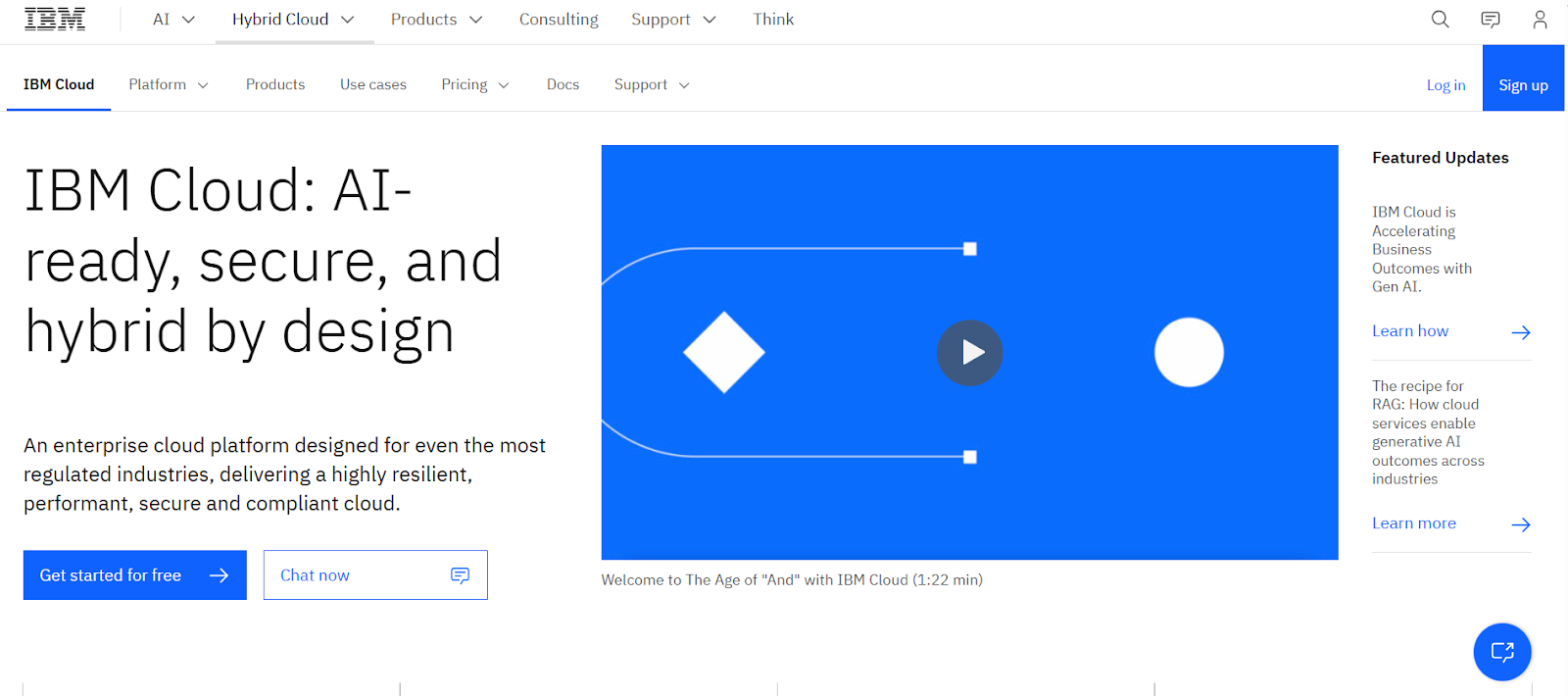
IBM Cloud is an example of a hybrid cloud solution that provides enterprise-grade services such as SaaS, PaaS, and IaaS. It allows people to run essential business functions with a great level of compliance and security, focusing heavily on quantum computing, blockchain, and artificial intelligence.
Its hybrid cloud solutions from its cloud service provider enable effective integration of cloud workloads with the company’s on-premises infrastructure. The additional integration of AI optimization and advanced automation offered by IBM Watson allows organizations to further enhance and automate their operations.
Key Features:
- Industry services: Provides services custom to the needs of the supply chain, finance, and healthcare industries.
- IBM Quantum: IBM Quantum provides access to cloud-powered quantum computing resources to handle computing tasks and advanced research.
- Security & compliance: IBM Cloud ensures high security and compliance through Confidential Computing, Identity and Access Management (IAM), and encryption.
- AI capabilities: Features AI-powered automation, natural language processing, and predictive analytics.
- Hybrid cloud: IBM Cloud natively integrates Red Hat OpenShift for hybrid cloud deployments.
6. Oracle Cloud Infrastructure
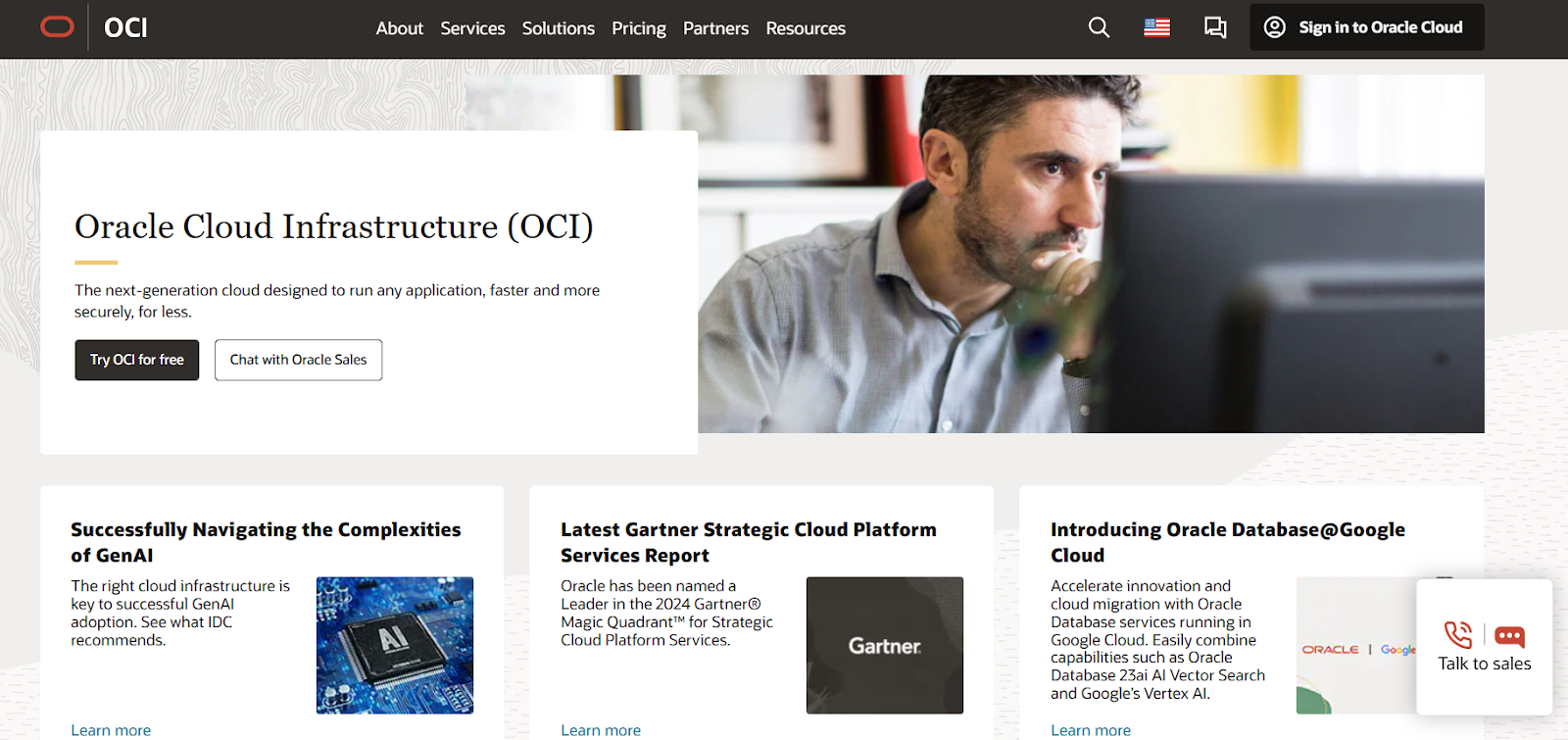
As one of the leading cloud service providers, Oracle Cloud Infrastructure offers a wide range of SaaS, PaaS, and IaaS, and robust capabilities for data management powered by High Performance Computing (HPC) and database solutions.
To address ever-critical workloads while ensuring availability and security, OCI or Oracle Cloud Infrastructure provides services such as cloud-native application development, AI-powered analytics, as well as autonomous databases.
Key Features:
- Cloud applications: Offers robust cloud applications for HCM, CRM, supply chain management, and ERP, which enable enterprise-level streamlining in various business operations.
- Security: AI-powered security analytics and continuous encryption improve compliance and security.
- Performance: Oracle FastConnect and RoCE deliver ultra-fast processing speeds, making them ideal for intensive applications in simulations, AI, and financial services.
7. Alibaba Cloud
Alibaba Cloud, a Chinese leader in cloud computing, is now one of the fastest-growing global cloud providers. Because it is a critical part of the Alibaba Group, Alibaba Cloud helps power enterprise applications, fintech, e-commerce, and other business processes in the Asia-Pacific region.
It offers a comprehensive cloud service suite, including AI-powered applications, big data analytics, and elastic computing, along with sophisticated security solutions. If a business is seeking AI-based innovations along with affordability and scalability, ET Brain and PAI are popular choices.
Its deep integration with ML and AI services is a standout feature. ET Brain enhances decision-making optimization across industries like logistics, healthcare, and smart cities.
Key Features:
- Hybrid backup: Offers hybrid backup to facilitate seamless integration between cloud and on-premises environments through hybrid tools such as Apsara Stack, CloudBox, Hybrid Backup Recovery (HBR), etc.
- Market presence: Exhibits a strong presence in markets focused on localized cloud solutions, especially in Southeast Asia and China.
- Compliance: Follow the steps provided for data protection legal frameworks within China, PCI DSS, GDPR, and other relevant guidelines. However, compliance for Alibaba Cloud is restricted to select regions and does not provide comprehensive regulatory coverage beyond China.
8. Salesforce
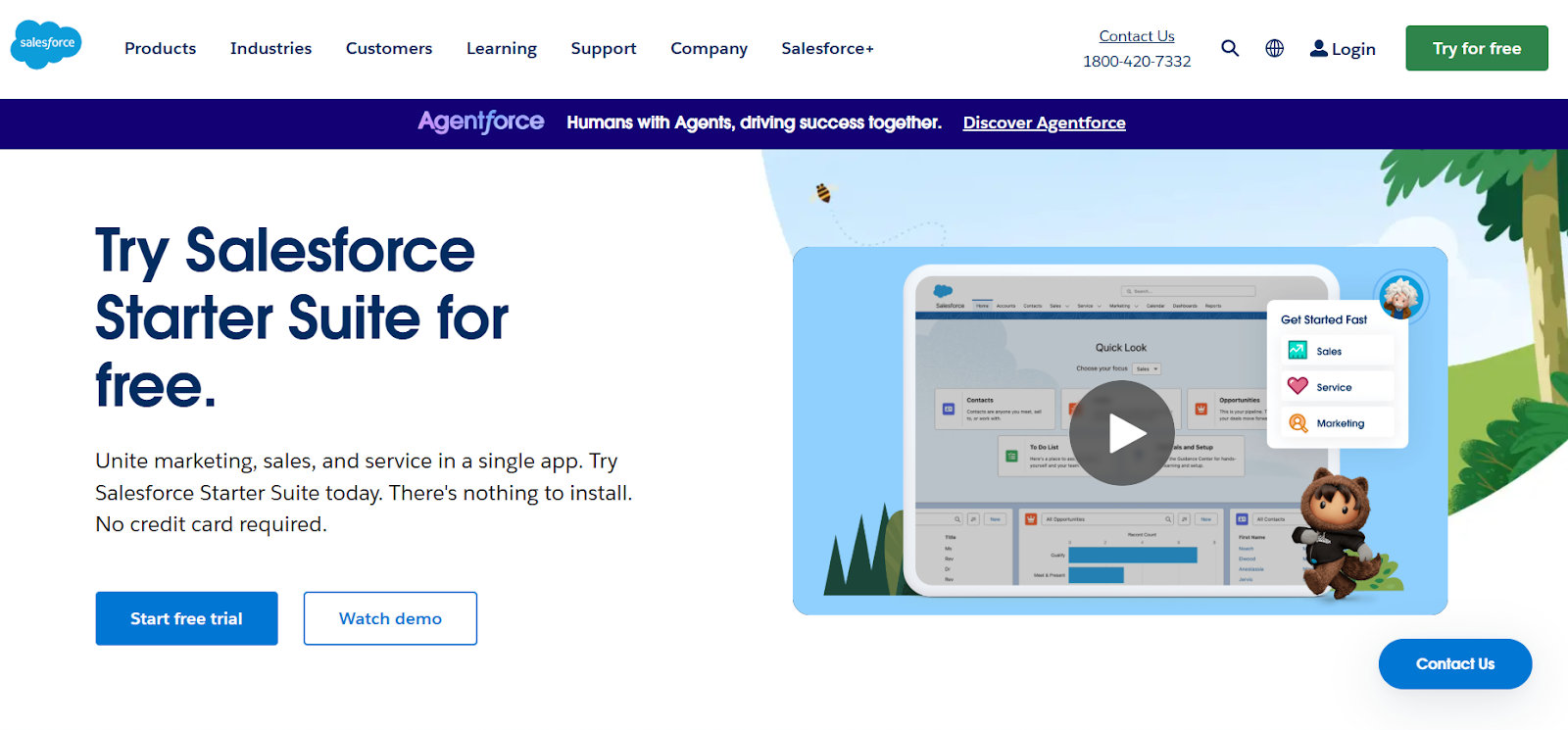
Salesforce is well known and recognized as one of the most popular platforms for Customer Relationship Management (CRM), using cloud computing to improve service automation, marketing, sales, and customer interaction. It is highly proficient in SaaS, enabling organizations to use enterprise-level solutions without the need for on-premise infrastructure.
Salesforce Customer 360 unifies data across e-commerce, customer support, marketing, and sales for a holistic customer view. Salesforce Einstein AI integrates predictive analytics and machine learning, enabling personalization, trend forecasting, and AI-powered automation with features like Einstein Prediction Builder and Einstein Bots.
Key Features:
- Cloud ecosystem: The cloud-powered ecosystem of the company includes service cloud, commerce, cloud, marketing, cloud, and sales cloud by going beyond just CRM to cater to differently sized businesses.
- Industry solutions: Offers industry-specific, tailored solutions for manufacturing, healthcare, finance, and retail.
- App ecosystem: Provides a robust app ecosystem and API through custom application development and third-party integrations.
9. SAP Cloud Platform (SCP)
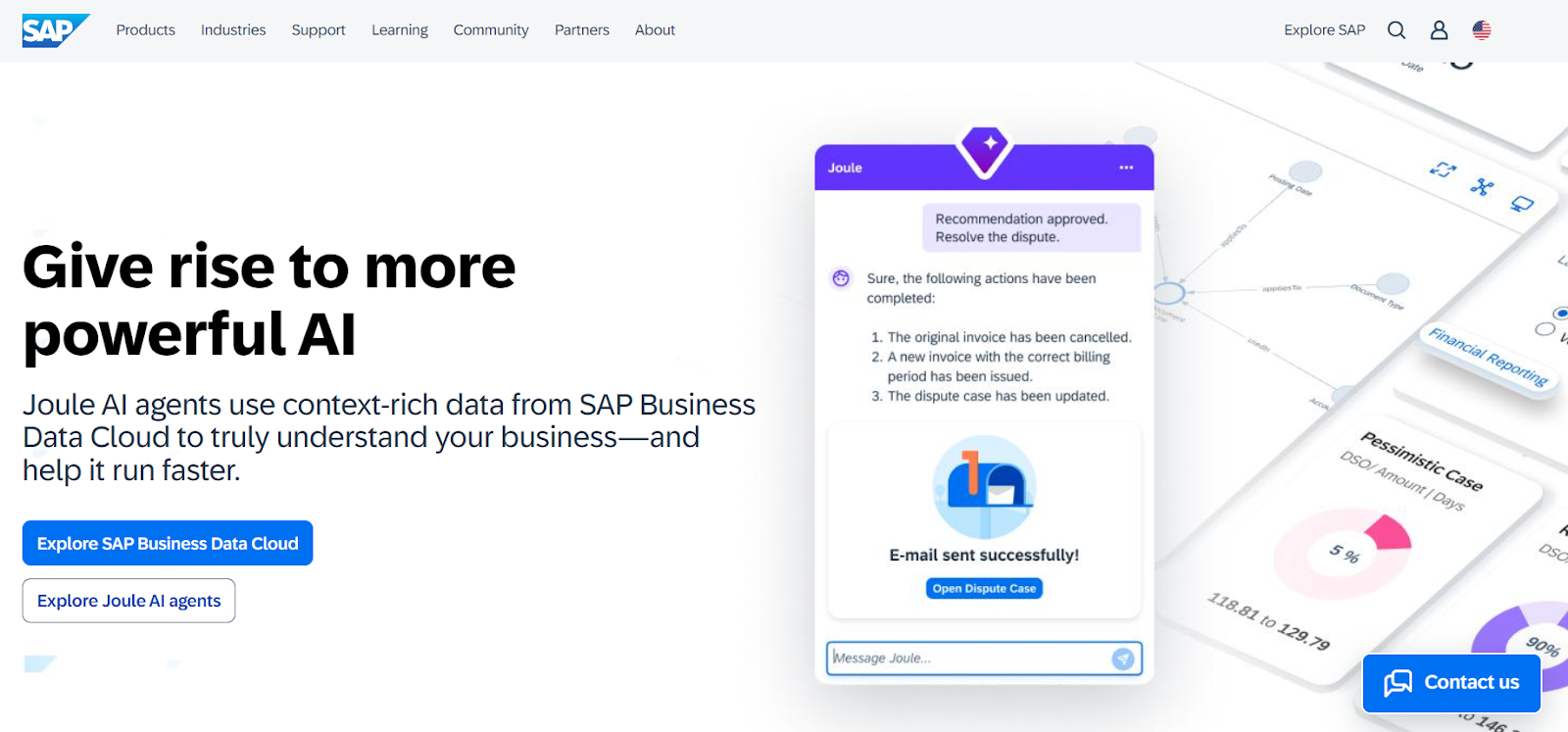
SAP Cloud Platform, is an example of a cloud-enabled business technology platform that aids enterprises in integrating, innovating, and extending existing SAP Solutions. SCP is among the top cloud service providers of SAP S/4HANA, SAP ERP, and SAP Business Suite clients.
It optimizes operations through digital transformation tools. SCP assists businesses in transitioning to cloud-centric architecture frameworks with little disruption to existing processes.
Business process automation, AI insights, and other seamless integration features are made available. Its Business Technology Platform offers a no-code and low-code platform where applications can be developed and deployed with minimal to no coding effort.
Key Features:
- Multi-cloud: Supports multi-cloud compatibility with Alibaba Cloud, Google Cloud, Microsoft Azure, and AWS deployment.
- SAP AI Core: SAP AI Core leverages machine learning and AI to enhance various business processes with the help of predictive insights, anomaly detection, and automation.
- Compliance: Ensures ISO 27001, GDPR, and industry-specific regulation compliance.
In verifying business processes, system performance and security compliance, especially for cloud-based SAP solutions, SAP testing is crucial for integration and flawless operation within the SAP Cloud Platform.
10. DigitalOcean
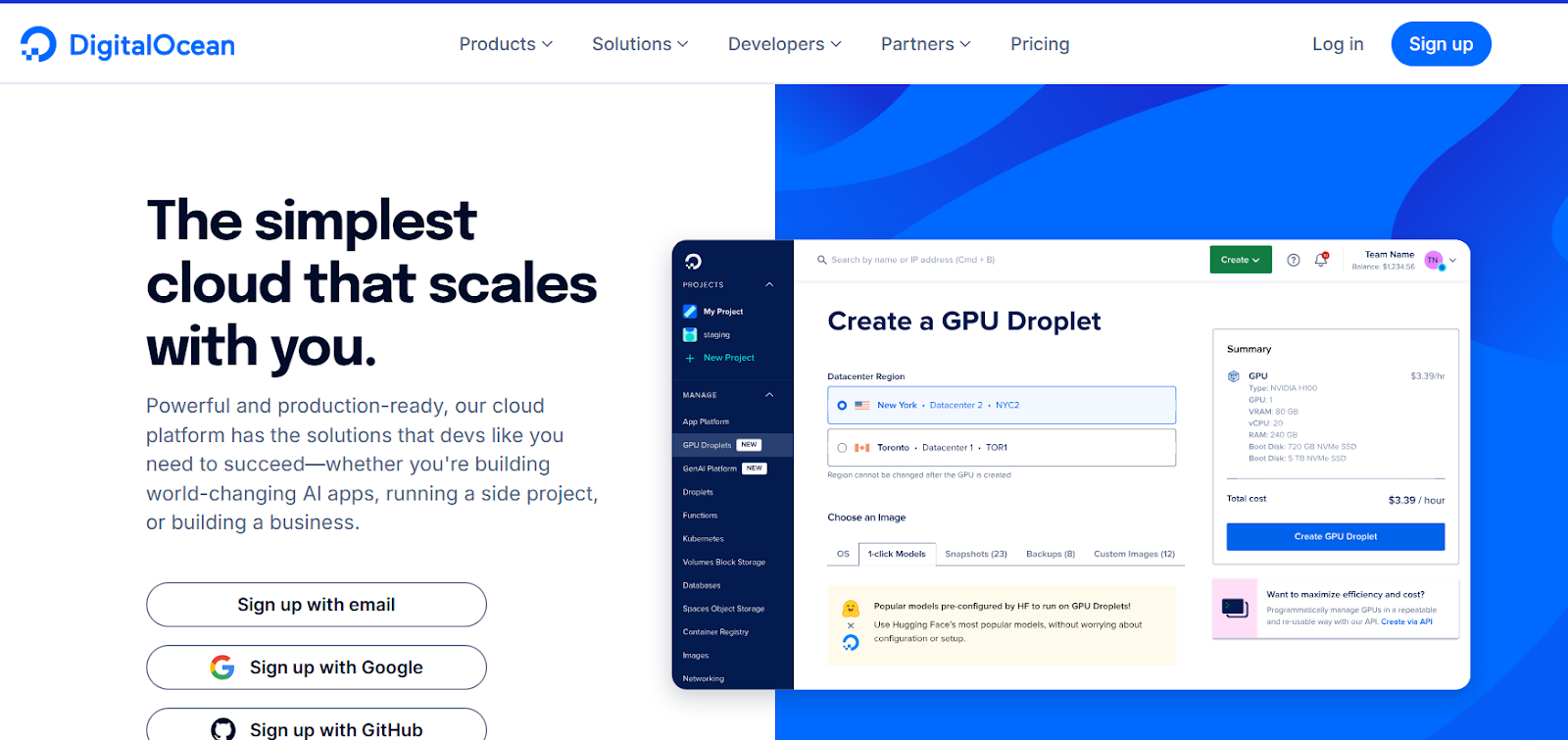
DigitalOcean is famous for its services aimed at independent developers, startups, and small to medium enterprises, positioning it among the top providers of cloud services. It provides a single platform from which users can access an array of services that include, but are not limited to, scalable computing, storage, and even managed databases.
It takes the lead as the cloud service provider for startups mainly due to its intuitive interface, alongside its transparent pricing and competitive performance.
Key Features:
- UI & pricing: Provides a straightforward UI and pricing model, therefore increasing accessibility for small businesses and developers.
- Droplets: Droplets offer different custom configurations with high-performance virtual machines.
- DevOps integration: Automates infrastructure management and seamlessly integrates with DevOps pipelines via a developer-centric API.
11. VMware Cloud
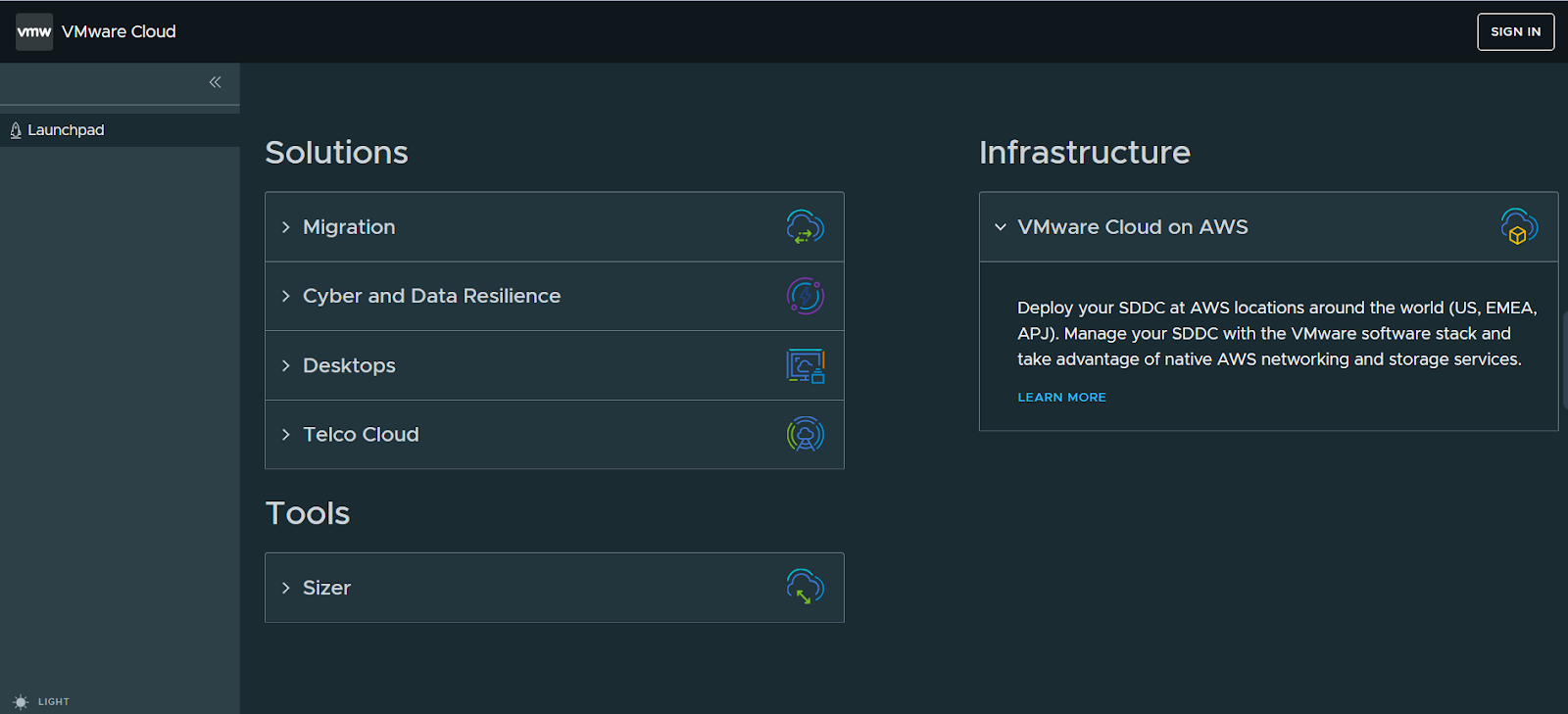
VMware Cloud is a multi-cloud and hybrid solution that extends existing VMware infrastructure to the cloud while maintaining full control over workloads. As one of the leading cloud service providers, it enables enterprises to run applications seamlessly across public clouds and private data centers, making it ideal for modernizing IT infrastructure without full migration.
With NSX and vSphere technologies, VMware Cloud supports software-defined networking, automation, and workload mobility. As one of the trusted cloud service providers, it also offers containerized applications, edge computing, and AI-powered security through VMware Carbon Black Cloud and NSX Security with micro-segmentation for protection.
Key Features:
- Kubernetes support: Supports Kubernetes and cloud-native support by integrating with Tanzu Kubernetes grid to facilitate containerized deployment of applications.
- Multi-cloud: Ensures multi-cloud compatibility with Google Cloud, Azure, and AWS.
- Hybrid deployment: Eliminates the need for major re-architecture by extending on-premises environments for public cloud providers.
- Security & compliance: Provides zero-trust security, automated optimization of performance, compliance monitoring, and so on.
12. Rackspace Technology
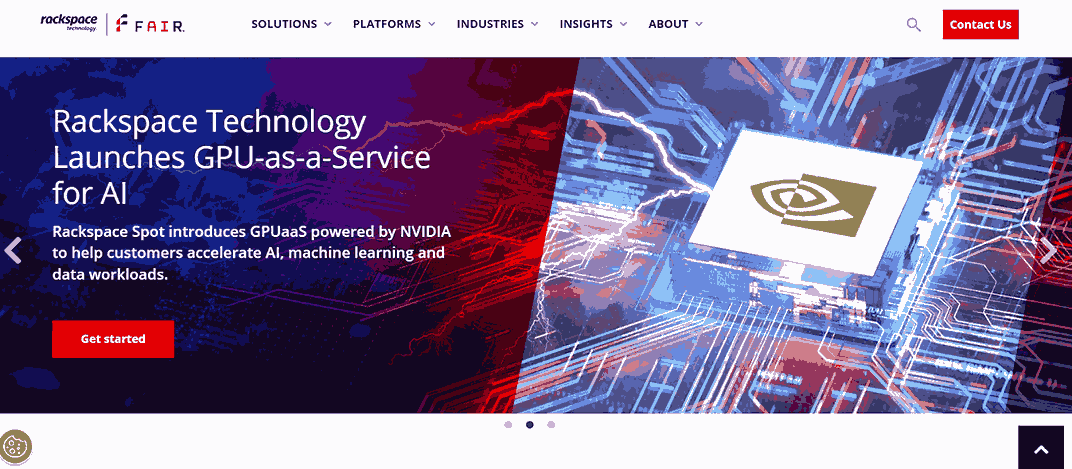
Rackspace Technology, a leading multi-cloud solutions provider, specializes in cloud security, optimization, migration, and service management. Unlike most cloud service providers focused on infrastructure, it excels in end-to-end management and consulting, making it ideal for enterprises needing personalized support.
With expertise in OpenStack, Google Cloud, Azure, and AWS, Rackspace Technology helps businesses choose the right cloud solution while minimizing complexities. It enhances performance through security management, AI-powered insights, cost optimization (Rackspace FinOps), and application modernization.
Key Features:
- Support model: The Fanatical Experience™ model entails 24/7 support, certified cloud specialists, proactive monitoring, etc.
- Reliability: Keeps the downtime minimal with automated incident response, predictive analytics, and real-time anomaly detection.
- Compliance & security: Provides SOC 2 compliance, cloud-native solutions for security, and threat detection.
13. Tencent Cloud
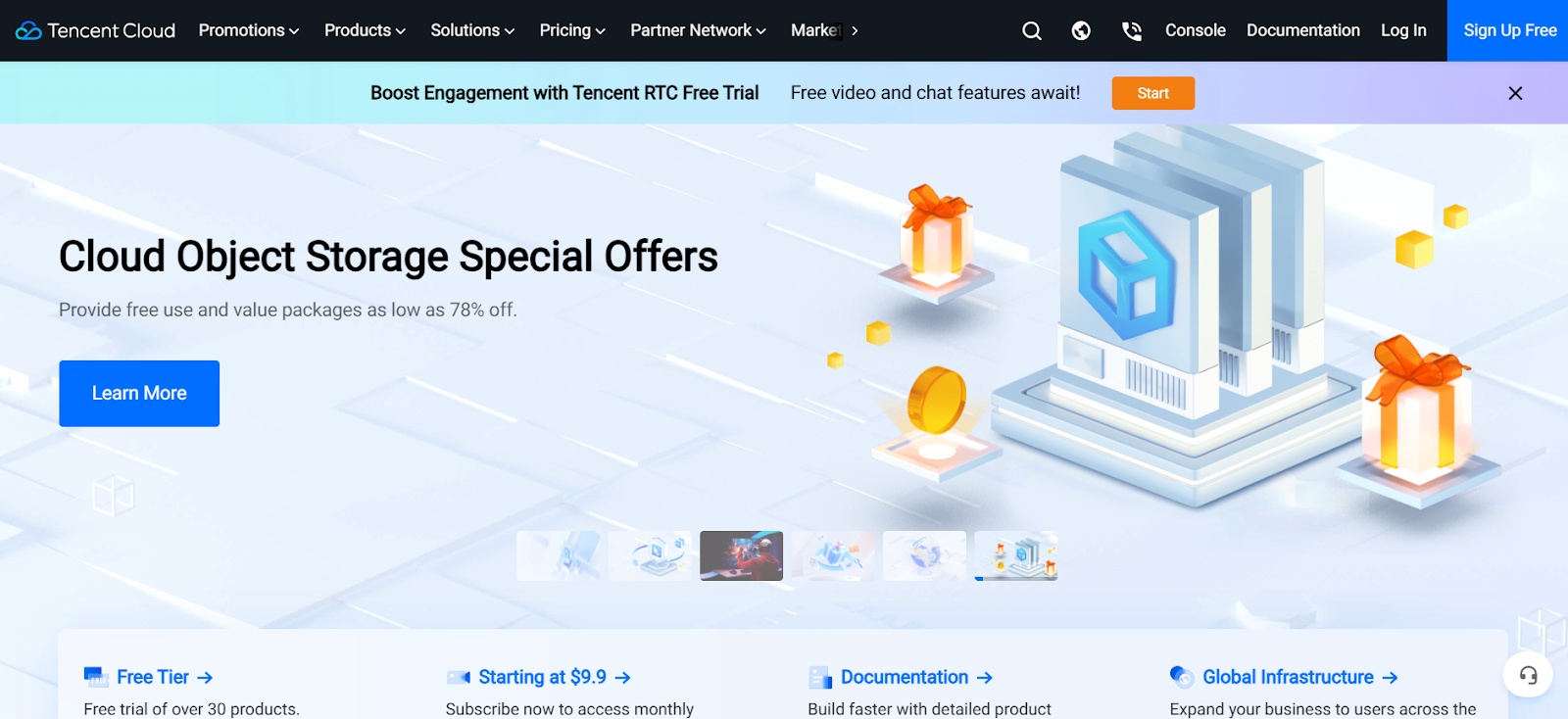
Tencent Cloud is one of the leading cloud service providers from China, offering advanced cloud solutions for developers and enterprises across fintech, e-commerce, entertainment, and gaming. Expanding globally, it is launching new data centers in Europe, Asia-Pacific, and the Middle East while partnering with enterprises like Salesforce and local cloud providers.
The platform provides IaaS, big data analytics, AI, and cloud computing, with strong support for cloud-based gaming services. Businesses can utilize their hybrid cloud environments with uptime SLAs, disaster recovery tools, and advanced security protocols, ensuring flexibility and security in public-private cloud integration.
Key Features:
- Deployment flexibility: Supports flexibility in deployment models combining private and public cloud environments.
- Ecosystem synergy: Strong synergy with Tencent Games, WeChat and other parts of the Tencent ecosystem.
- Global expansion: Rapid global expansion through a growing data center network and increased availability.
14. Hewlett Packard Enterprise (HPE) GreenLake
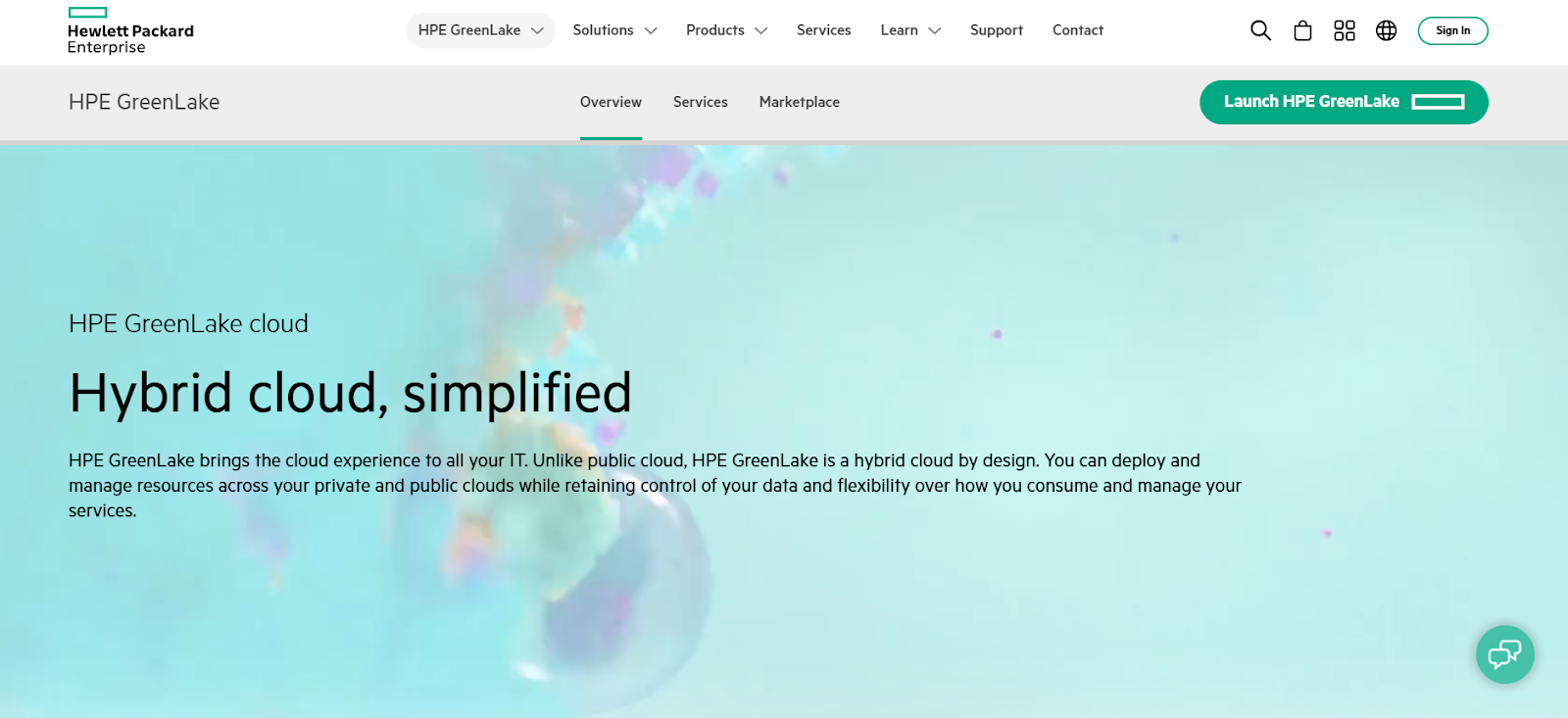
Hewlett Packard Enterprise (HPE) GreenLake bridges the gap between cloud and traditional infrastructure by offering enterprises the scalability of the cloud while maintaining the security and control of on-premises infrastructure. It is an ideal choice for businesses looking to adopt a hybrid cloud environment without fully committing to public cloud platforms.
As a cloud service provider, it offers an array of services, such as software-defined solutions, big data analytics, edge computing, and artificial intelligence. Using AI tools, it omits the need for human oversight in scaling infrastructure, enabling automatic adjustments to resources based on needs. Furthermore, it provides robust compliance frameworks and security for proprietary information while fostering flexible cloud environments.
Key Features:
- Cloud management: Simplified and unified cloud management across public and private cloud environments offers centralized control.
- Compliance & security: Built-in compliance and security adhering to industry standards such as GDPR.
- Hybrid cloud: Hybrid cloud and its integration promote automatic scaling.
- IoT & edge: Supports low-latency performance and real-time processing with IoT and edge computing.
15. Adobe Cloud Platform
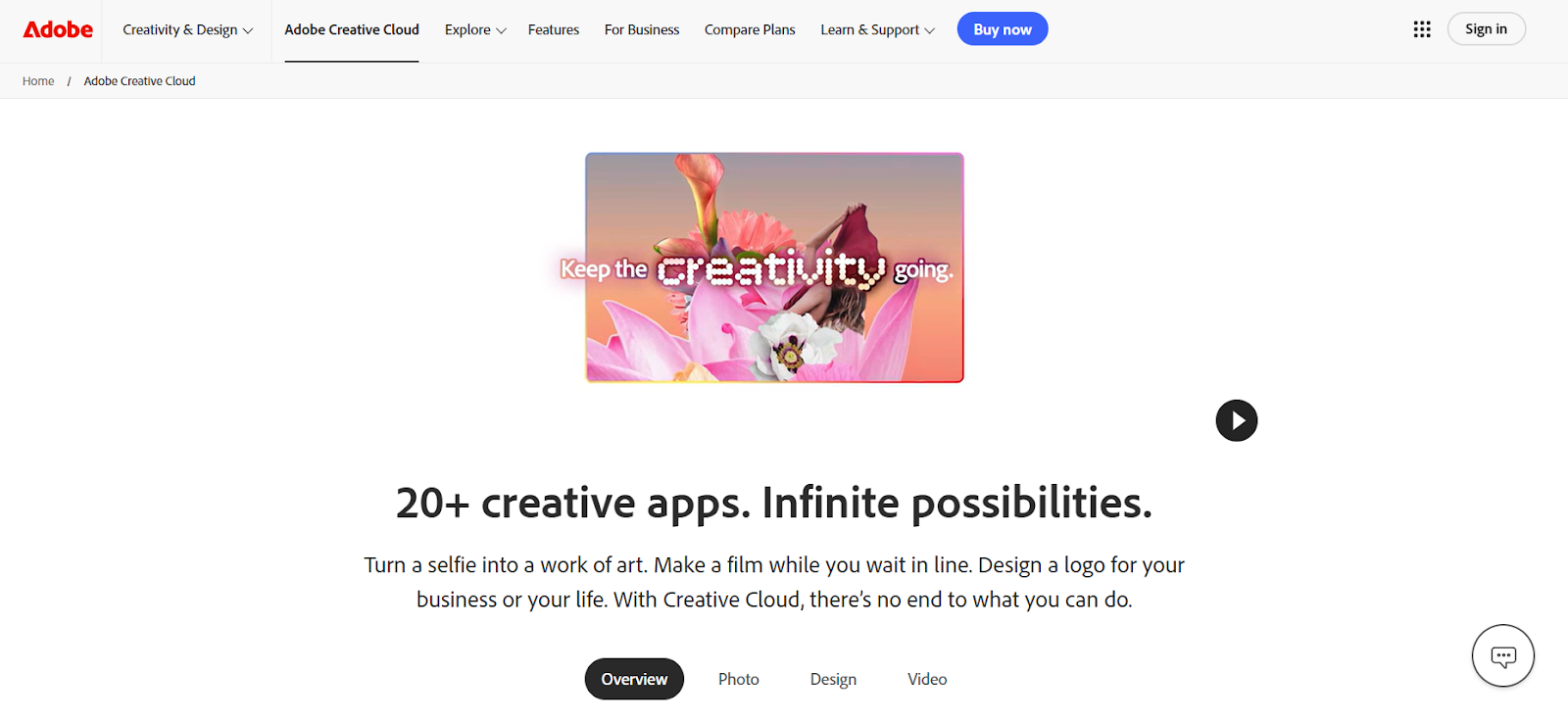
The Adobe Cloud platform is one of the most used cloud service providers for its creativity and innovative marketing solutions. It offers professionals in document management, digital marketing, video editing, and design access to cloud-based tools like Adobe Analytics, Premiere Pro, Illustrator, and Photoshop. This cloud infrastructure enhances collaboration, enabling teams to work seamlessly from any location.
Adobe AI automates tasks like content tagging and photo editing by predicting what needs to be done through the use of an AI-powered engine called Adobe Sensei. Additionally, campaign automation and personalized client interactions are some aspects that are powered by data within Adobe Marketing Cloud, helping businesses make informed decisions.
Key Features:
- AI & creative tools: Powerful integration of AI, creative tools, and cloud storage positions Adobe Cloud as the perfect choice for enterprises in the advertising, entertainment, and media industries.
- Accessibility: With the availability of applications on both mobile and desktop devices, users can access them from anywhere.
- Collaboration: Shared cloud storage and workspaces, project management across various teams is highly collaborative.
- Marketing solutions: Data-driven and personalized marketing solutions help businesses improve customer retention and engagement.
16. NetApp Cloud Services
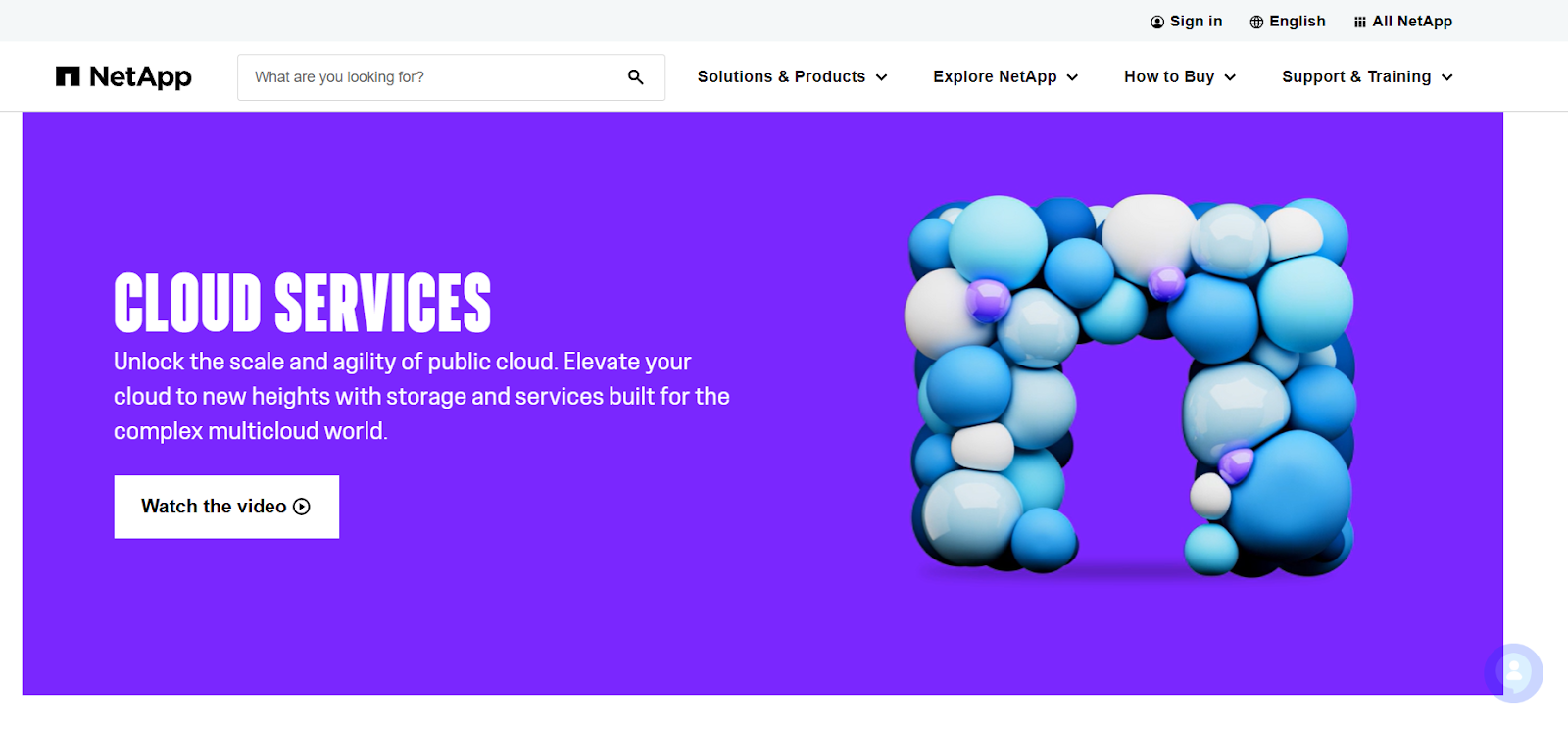
NetApp Cloud Services helps businesses with backup services, data administration, and storage on the cloud while maintaining optimal levels of scalability, security, and performance. It is a leader among cloud service providers because it facilitates the cloud adoption process by supporting multi-cloud and hybrid environments with seamless data backup, migration, and management. Companies can rely on NetApp’s features with Alibaba Cloud, Google Cloud, Azure, and AWS.
As one of their featured services, Cloud Volumes ONTAP offers users advanced AI-driven data management capabilities. In addition to data management, users receive cloud resource optimization and enterprise-grade storage. This provider also supports analytics-class AI, sophisticated, high-performance apps with demanding workloads, and complex applications with robust security and availability.
Key Features:
- Data management: Makes data management seamless by integrating with Alibaba Cloud, Google Cloud, Azure, and AWS.
- Integrations: Offers native integrations and provides unified data access.
- Disaster recovery: Provides organizations with sophisticated disaster recovery solutions to ensure continuity in business operations.
17. Red Hat OpenShift
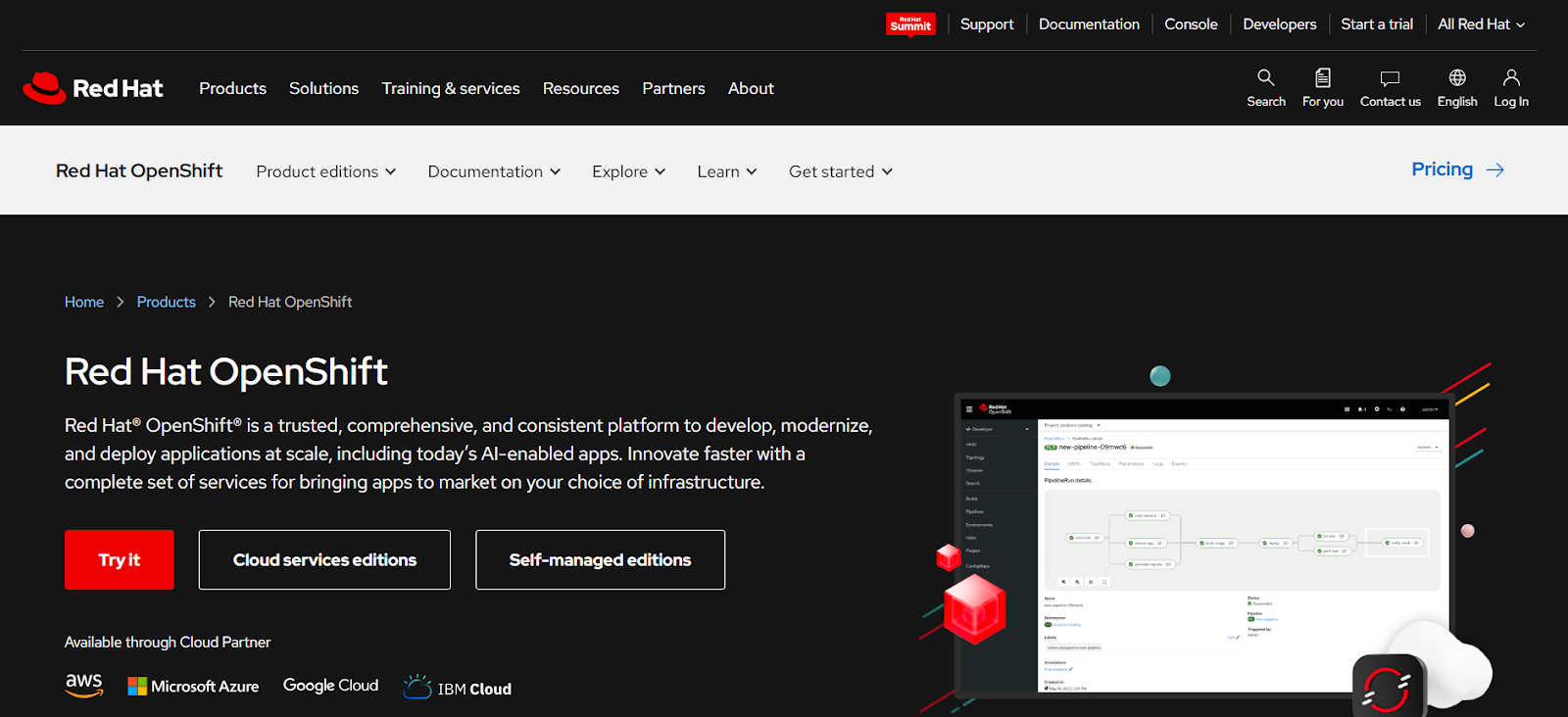
Red Hat OpenShift is a Kubernetes-based container cloud service platform designed for deploying, managing, and scaling containerized cloud applications. Built on open-source technologies, it provides an enterprise-grade solution for IT teams to develop and manage applications across hybrid cloud environments.
Its features include support for CI/CD pipeline automation, deployment automation, monitoring, scaling, security with enterprise compliance, and access management. OpenShift’s integration with cloud service providers Azure, Google Cloud, and AWS makes it suitable for hybrid cloud applications. It is designed for businesses of all sizes and provides flexibility for managed cloud, AI/ML, and enterprise security services.
Key Features:
- Hybrid cloud: Perfect for hybrid cloud solutions due to its ecosystem offering support for popular cloud service providers such as Azure, Google Cloud, and AWS.
- Flexibility: Integrates with on-premise services as well as public cloud environments, further contributing to the flexibility of hybrid cloud deployment.
- App development: Includes tools such as Source-to-Image (S2I) to make building apps and integrated monitoring and logging tools easier by automating the building of containerized apps from source code directly.
- Enterprise scalability: Servers to enterprises at different scales, which offer both big and small businesses the control and flexibility they want to innovate. Eg. Small businesses use it for managed cloud services and budget-friendly auto-scaling, while enterprises use it for AI/ML workloads, hybrid cloud scaling, and enterprise-grade security.
- Unified interface: Integrates operations, security, and DevOps solutions into a unified interface.
How to Choose the Best Cloud Service Provider?
Selecting the right cloud computing service provider is critical for cost efficiency, reliability, and scalability. With numerous options available, you should align the provider’s offerings with your business needs and long-term goals. Before narrowing down your choices, it’s essential to understand your business’s core requirements and assess how well they align with what the cloud provider offers.
Key Factors to Consider:
- Business Requirements: Assess current and future needs to decide whether SaaS, PaaS, or IaaS fits best. Consider priorities like data processing, storage, computing power, analytics, or AI/ML.
- Performance & Reliability: Look for strong SLAs, uptime guarantees, and globally distributed data centers to minimize latency and downtime.
- Compliance & Security: Ensure robust security with identity management, multi-factor authentication, encryption, and adherence to regulations such as GDPR or PCI-DSS.
- Flexibility & Cost Efficiency: Evaluate pricing models like pay-per-use, spot pricing, or reserved instances to balance scalability with cost control.
- Quality of Support: Dedicated consultation, account management, and 24/7 multi-channel support ensure smooth operations.
- Next-Gen Capabilities: Advanced features like automation, AI-driven monitoring, auto-scaling, serverless architecture, and disaster recovery (multi-region replication, failover, backups) can make providers more future-ready.
By combining these essentials with advanced capabilities, you can choose a cloud service provider that not only meets today’s requirements but also supports long-term growth and innovation.
Conclusion
The competition amongst cloud service providers is at an all-time high. If you are just beginning with a PaaS, optimizing SaaS solutions as a company, or an organization aiming for growth with IaaS, identifying the right cloud partner is essential.
It’s becoming increasingly harder to choose a cloud service provider as new companies disrupt the current cloud market and established ones upgrade their offerings. If you are strategic in your approach and willing to adapt, your selected cloud service provider will significantly change your ROI for the better and provide your business with a competitive advantage.


Frequently asked questions
Did you find this page helpful?
More Related Hubs
TestMu AI forEnterprise
Get access to solutions built on Enterprise
grade security, privacy, & compliance
- Advanced access controls
- Advanced data retention rules
- Advanced Local Testing
- Premium Support options
- Early access to beta features
- Private Slack Channel
- Unlimited Manual Accessibility DevTools Tests